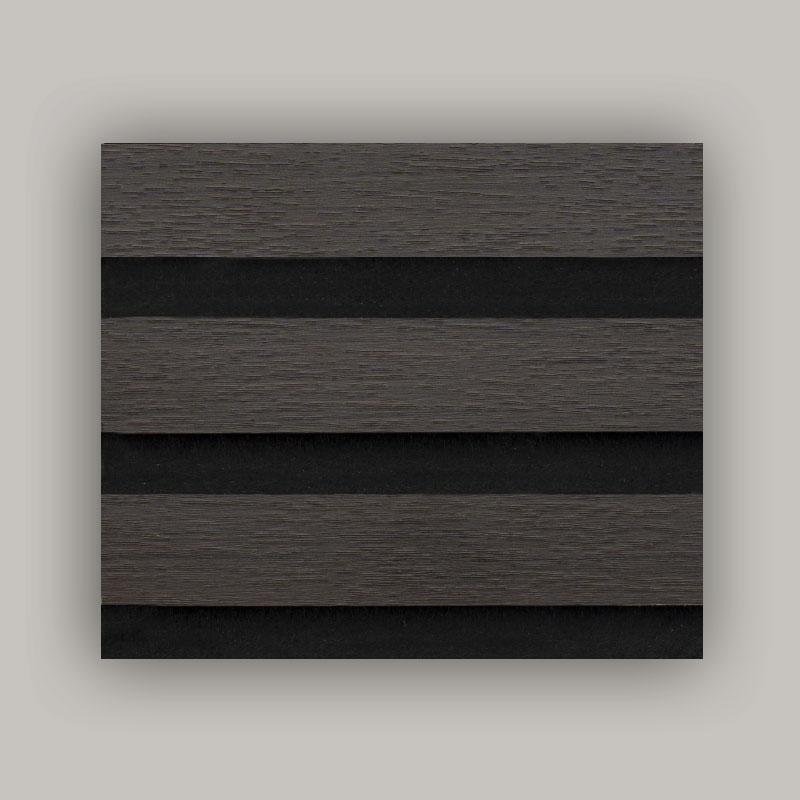
Grille Wall/Acoustic Wall Panel (Single-Side PVC Wrapped) – Wood-Grain / Stone-Grain / Solid Color 2400/2700mm x 600mm
Specifications mm Length 2400/2700 Width 600 Thickness 21 Core material Polyester fiberboar...
View More →HUICHENG DECOR / PRODUCT TOPICS
Colonial Style Wall Trim features traditional decorative profiles inspired by classic interior architectural designs. It is commonly used for wall paneling, wainscoting, door surrounds, and interior moulding projects where balanced details, timeless appearance, and refined decorative elements are preferred.
PRODUCT CONNECTIONS
Specifications mm Length 2400/2700 Width 600 Thickness 21 Core material Polyester fiberboar...
View More →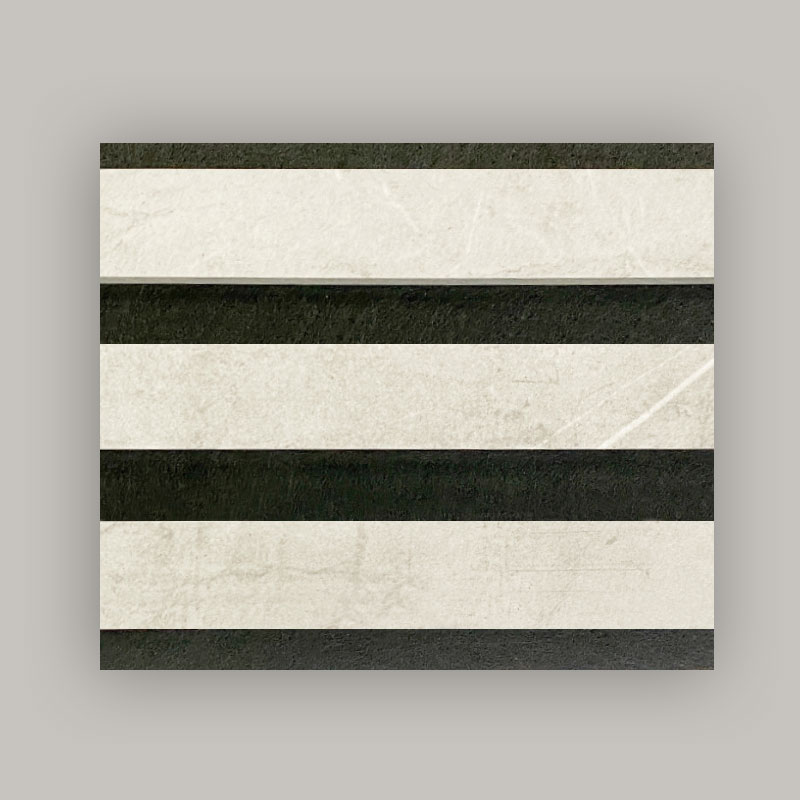
Specifications mm Length 2400/2700 Width 600 Thickness 21 Core material Polyester fiberboar...
View More →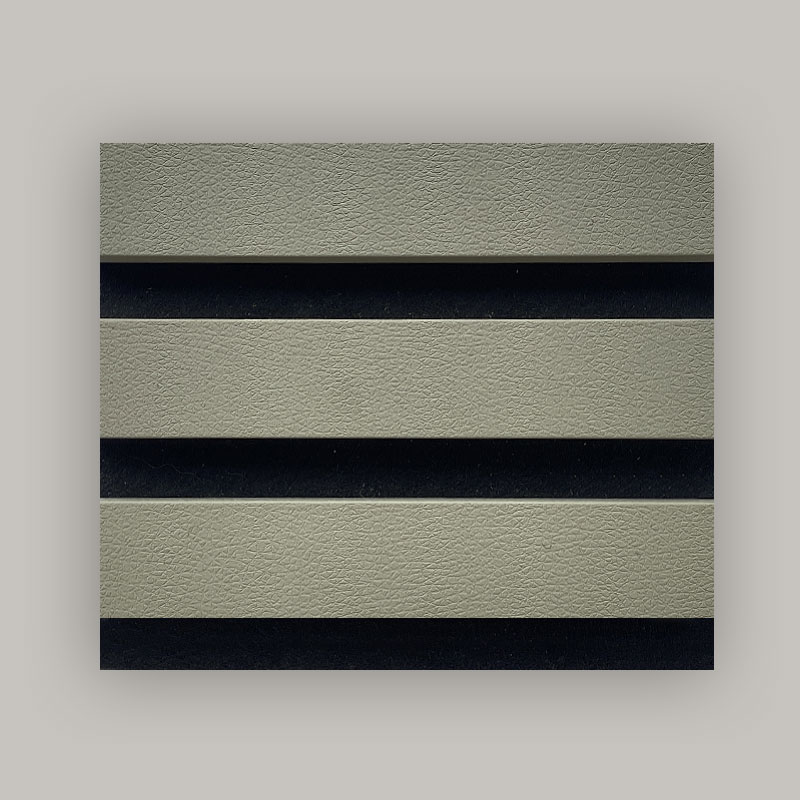
Specifications mm Length 2400/2700 Width 600 Thickness 21 Core material Polyester fiberboar...
View More →
Specifications mm Length 2400/2700 Width 600 Thickness 21 Core material Polyester fiberboar...
View More →
Specifications mm Length 2400/2700 Width 600 Thickness 21 Core material Polyester fiberboar...
View More →
Specifications mm Length 2400/2700 Width 600 Thickness 21 Core material Polyester fiberboar...
View More →TOPIC OVERVIEW
Key considerations for material selection, profile design and project planning.
Colonial style wall trim is moulding designed in the classic tradition of early American and Georgian-inspired interiors. It is recognised by layered profiles, gentle curves, stepped edges and a balanced, orderly look, and it is usually painted in white or soft neutral colours.
Today the style is used in new homes, renovations and hospitality interiors that want a timeless, traditional character. This page explains the typical elements, how they fit together and what buyers should check when ordering.
The look relies on profile shape more than surface decoration. Small steps, rounded edges and narrow grooves catch light and create shadow lines, which give a plain painted surface depth. The result is formal without being heavy when proportions are well chosen.
In colonial style, proportion and consistency matter more than ornament. A few well chosen profiles repeated through the room look better than many different shapes.
A tall base with a shaped cap, often paired with a small shoe moulding at the floor.
Door and window frames with a flat face, shaped edge and a backband for depth.
A horizontal rail that divides the wall and protects it from chair backs.
Raised or recessed panels in wainscoting create a classic lower wall.
| Element | Character | Typical location |
|---|---|---|
| Baseboard with cap | Stepped, formal | Floor edge of every wall |
| Casing with backband | Layered, framed | Doors and windows |
| Chair rail | Horizontal divider | Dining rooms, halls, stairs |
| Panel moulding | Classic wainscot | Lower walls, feature walls |
| Crown moulding | Soft, curved top edge | Wall and ceiling junction |
White trim against a coloured wall is the most recognised combination, as it highlights the profiles. Satin or semi-gloss sheens are common because they show the shadow lines and wipe clean easily. Stained wood is also used in more formal rooms.
Panelled doors suit layered casings. Keep door and trim colours related.
Use the same casing style on windows and doors so the room reads as one design.
Wood floors in medium or dark tones give strong contrast with white trim.
Soft wall colours let the trim profiles stand out without strong contrast.
Choose baseboard, casing and rail from one matching style.
Relate trim size to ceiling height and room size with a full-size sample.
Mark chair rail and panel lines so they line up across the room.
Allow extra for mitres and cutting waste.
Fill joints, caulk edges and apply the paint finish.
Using unrelated shapes can break the orderly look the style depends on.
Large profiles in small rooms feel heavy. Check against a sample first.
Layered mouldings show open mitres clearly, so careful cutting and filling matter.
Old walls often need scribing and caulking for tight fits.
Provide drawings or approved samples for each profile.
State MDF, jointed or solid timber, and the finish stage.
List baseboard, casing, rail and crown that must match.
Agree limits for detail sharpness, pinholes and sanding marks.
Request protective wrapping to keep delicate edges safe.
Layered, stepped and gently curved profiles, usually painted white or a soft colour, arranged as a matching set.
Dining rooms, halls, living rooms, bedrooms and stairways are all common, especially in traditional or transitional interiors.
No. It is widely used in new builds and renovations that want a classic character.
Painted white or soft tones are most typical. Stain is used in formal or heritage rooms, with solid or veneer material.
Satin and semi-gloss show profile shadows well and are easy to wipe clean.
Yes. Classic trim often works well as a backdrop to simple modern pieces.
Test full-size samples against the wall. Taller ceilings and larger openings suit larger profiles.
MDF and well-dried timber both hold detail well when machined and coated carefully.
Keep it flat, dry and covered, away from direct sun and heavy loads.
Include profile drawings, lengths, material, finish stage, matching needs, packing method and an approved sample.

ABOUT THE MANUFACTURER
Huzhou Huicheng Home Technology Co., Ltd. is China wholesale Colonial Style Wall Trim manufacturers and Colonial Style Wall Trim suppliers, manufactures wooden skirting boards, crown mouldings, wooden acoustic wall panels, Colonial Style Wall Trim and customized decorative mouldings. Founded in 2002 in Nanxun, Huzhou, known as the Capital of Wooden Flooring, the company supplies eco-friendly wood products to customers worldwide.
With precision moulds, CNC machining and in-house quality inspection, the team can reproduce complex European, American, French and modern minimalist profiles and discuss material, dimension and surface treatment requirements for each project.
FROM DRAWING TO DELIVERY
A coordinated workflow covers profile development, machining, surface finishing and inspection, so specifications stay consistent from sample to bulk order.
OEM drawing processing and ODM design support, backed by precision moulds and CNC machining, turn a cross-section into a production profile.
Solid wood and MDF substrates are machined to shape, with wood veneer or PVC wrapping applied where a different surface is required.
An automated putty coating line, UV vacuum spraying and UV printing roll coating deliver filler-primed, painted or printed surfaces.
Finished profiles are checked, packed and stored in the company warehouses, then prepared for domestic and export shipment.
MANUFACTURING & SERVICE
From profile development to delivery coordination, Huzhou Huicheng Home Technology Co., Ltd. focuses on production consistency, flexible customization and responsive project communication.
Coordinated material sourcing, manufacturing and final delivery help maintain consistency across orders.
Materials, sizes, profiles and colours can be tailored to your drawings, from small-scale developments to larger commercial orders.
Mature mould and CNC machining technology supports accurate reproduction of complex decorative profiles.
Putty coating, UV vacuum spraying, UV printing and veneer or PVC wrapping give a wide range of surface options.
Daily capacity above 15,000 metres, including more than 8,000 metres of coated products, supports repeat orders and project schedules.
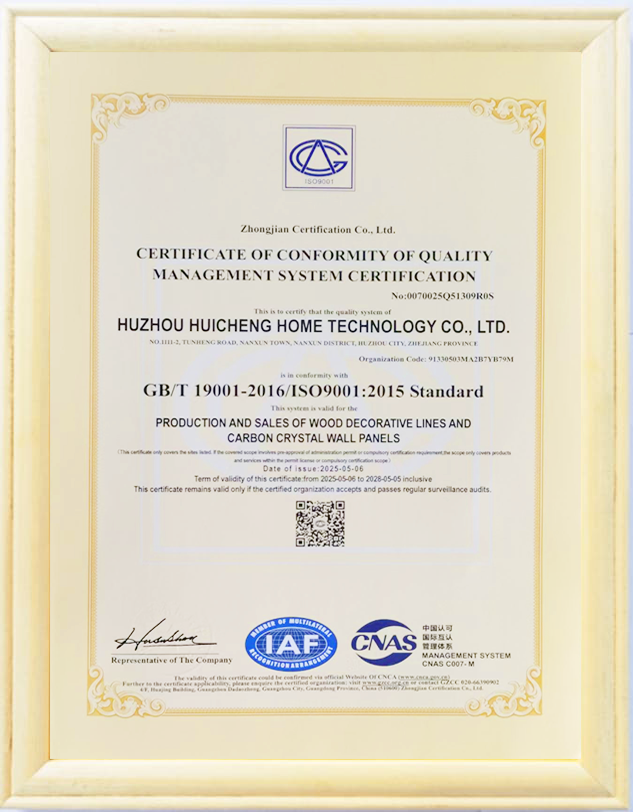
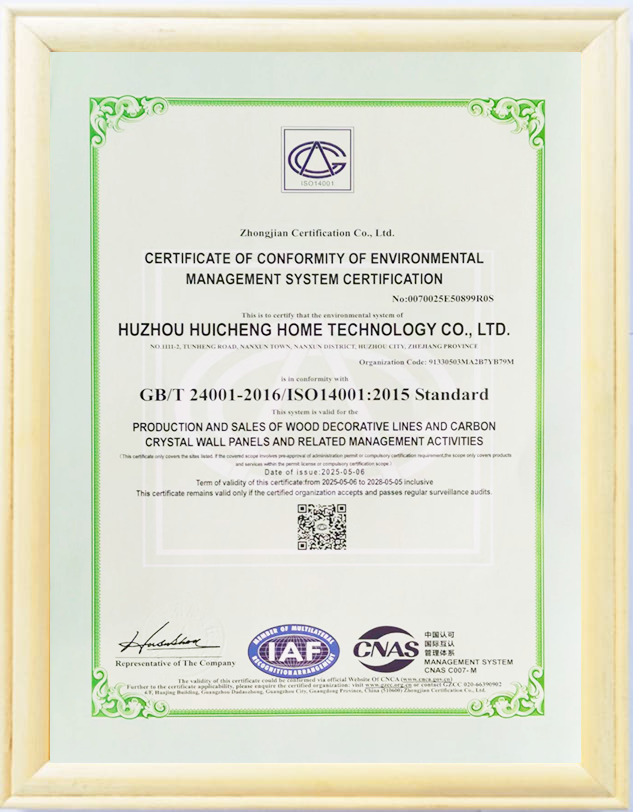
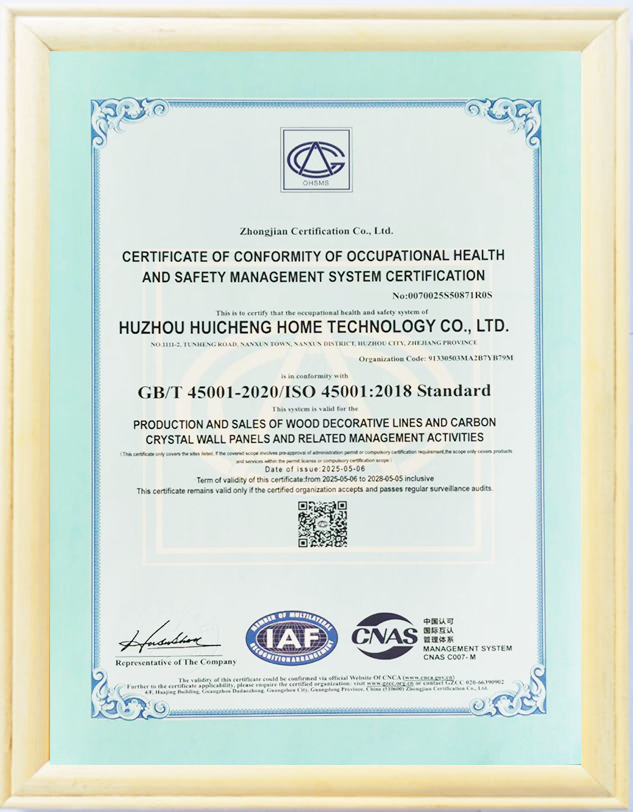
Inspection across production stages, supported by ISO 9001, ISO 14001 and ISO 45001 certificates, helps catch deviations early.
Shipment preparation and delivery arrangements support domestic and international purchasing workflows.
Support for initial enquiries, specifications and after-sales questions helps buyers manage ongoing cooperation.
INSIDE THE FACTORY
Our own production workshops and warehouses are equipped with complete production and quality inspection equipment. Select any photo to view it full size.
Factory building, Nanxun
 Timber
cutting
 Timber sorting and stacking
 Sawing and sizing
 Workshop floor
and material handling
 Profile machining
 Wrapping line
 Board
handling
 Automated machining line
 Coating and conveying equipment
 Spraying line
 UV curing
 Finished profiles
awaiting packing
 Painted boards on drying carts
 Warehouse racking
 Packing and strapping
 Finished product storage
 Reception
 Sales and order office
 Meeting room and sample display
QUALITY & MANAGEMENT
The following certificates are provided for reference. Buyers can request current documentation and scope details during supplier qualification.
RESPONSIBLE PRODUCTION
The company describes transparent, compliant wood procurement as a duty to the environment: suppliers are verified so that the legal and credible provenance of every piece of wood can be confirmed. Buyers can discuss relevant sourcing documentation and project-specific quality expectations.
Explore Sustainability →Supplier verification and material provenance considerations.
Inspection across production and packaging stages.
Profiles and finishes aligned to project needs.
SUPPLIER QUESTIONS
Quick answers on customization, materials, finishes and certification. For anything project-specific, send us your drawings and quantities.
Read the Full FAQ →Yes. The factory handles OEM drawing processing and offers ODM design support. Materials, sizes and colours can all be customized according to customer requirements.
Skirting boards and mouldings are produced in MDF and solid wood such as pine, white pine and white oak, while acoustic wall panels use polyester fibreboard cores. Surfaces include filler-primed, pearl white, painted, wood veneer or PVC wrapped and UV printed finishes.
Daily capacity is above 15,000 metres, of which more than 8,000 metres can be coated products. Please share your estimated quantities so the team can confirm scheduling.
The management system certificates shown above cover ISO 9001:2015 for quality, ISO 14001:2015 for the environment and ISO 45001:2018 for occupational health and safety. Current documentation can be requested during supplier qualification.
The factory is in Nanxun, Huzhou, Zhejiang Province, China, an area known as the Capital of Wooden Flooring. Visitors are welcome by appointment through the enquiry form.
PROJECT ENQUIRY
Send material preferences, drawings, dimensions, surface finishes and estimated quantities. Our team can review your request and discuss the next steps.
Email[email protected]
Phone+86-153 7223 8585
AddressHengjie Innovation Entrepreneurship Industrial Park, Building 6, No. 1111, Tunheng Road, Hengjie, Nanxun Town, Nanxun District, Huzhou City, Zhejiang Province, China
QUICK CONTACT
Share your product or sourcing requirements.