
 English
 Español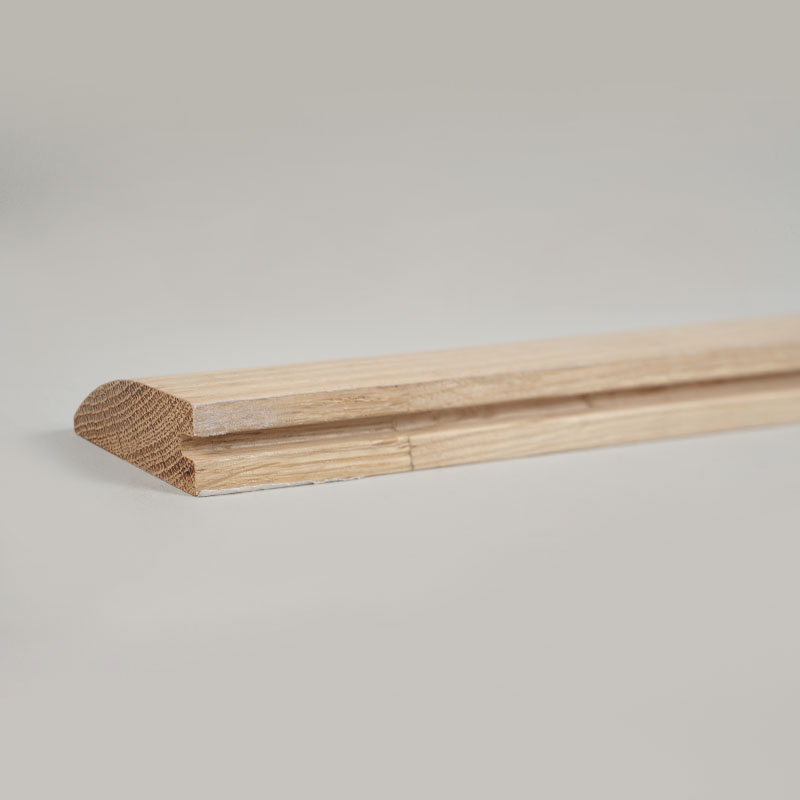
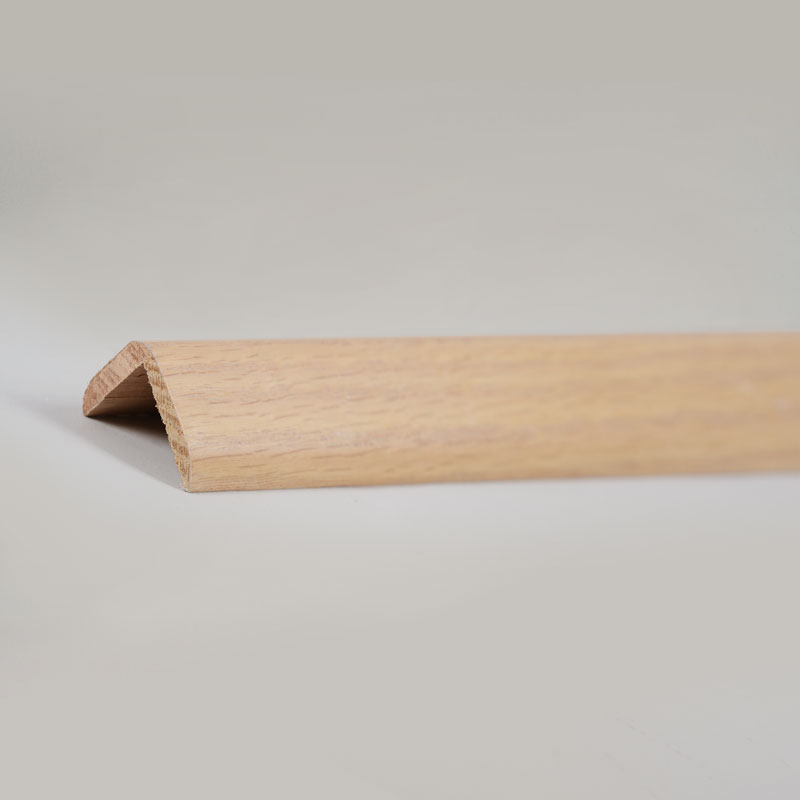
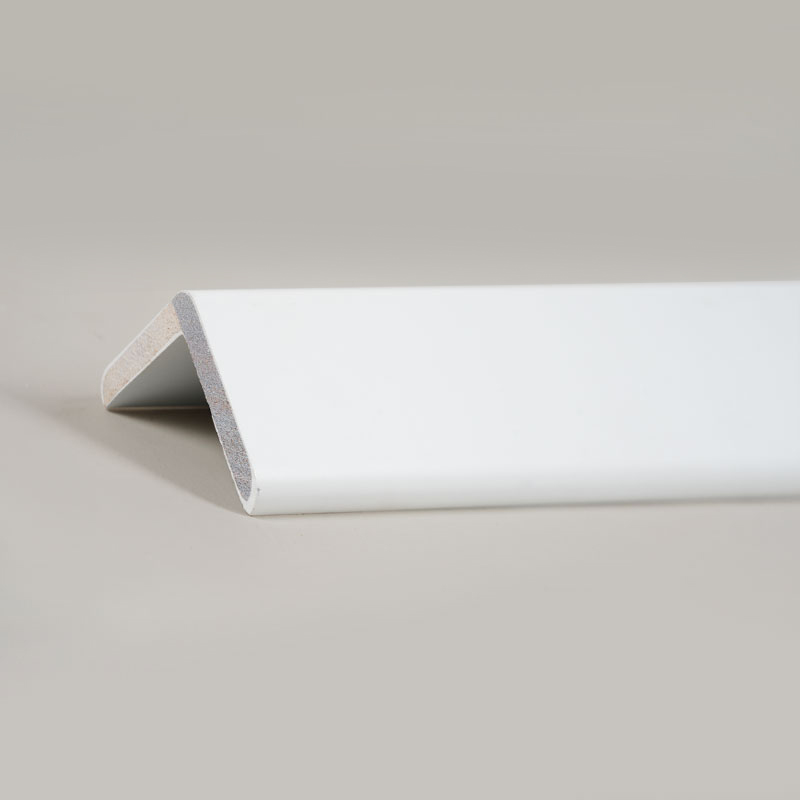
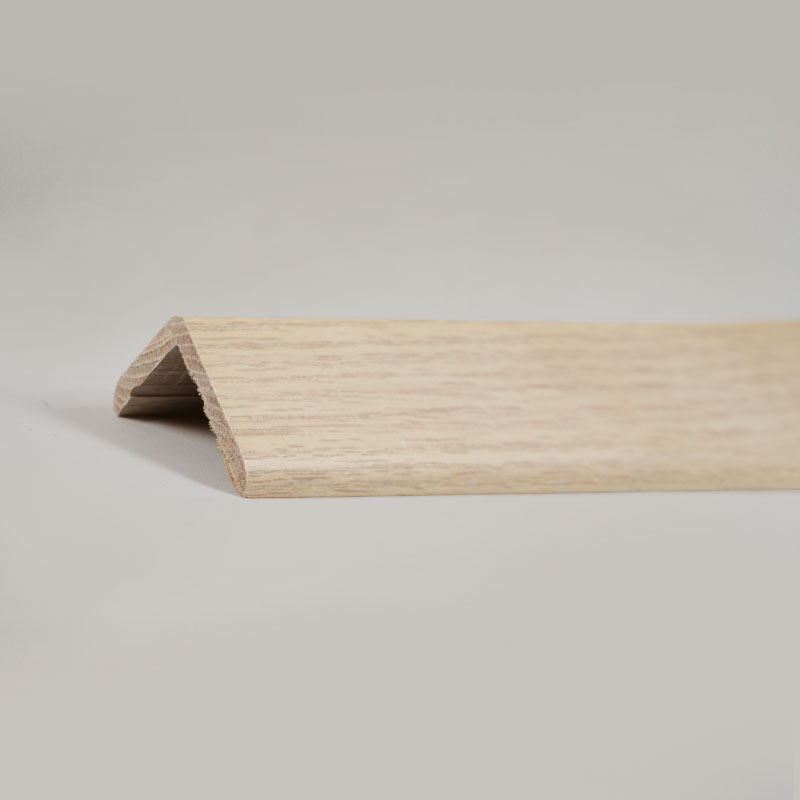






Understanding Wooden Floor Trims: Types, Functions, and Installation Basics
Company Overview
Huzhou Huicheng Home Technology Co., Ltd. was founded in 2002 and is located in Hengjie Innovation and Entrepreneurship Industrial Park, Nanxun Town, Huzhou, Zhejiang — known as the capital of “wooden flooring” in China. With over 20 years of industry experience, the company has become a leading manufacturer specializing in high-quality wooden skirting and decorative lines. The company operates a 5,000-square-meter production area, employs 36 skilled production and management personnel, and over 10 sales and administrative staff. With hundreds of advanced machines — including fully automatic mud coating lines, UV vacuum spraying lines, UV printing roll coating lines, coating lines, and industry-leading 3D printing technology — the company maintains a strong manufacturing advantage. Huzhou Huicheng Home Technology Co., Ltd. focuses on high-end and mid-range solid wood skirting boards and accepts customized orders for domestic projects and international markets. It has a complete production chain covering raw material procurement, woodworking, paint production, PVC/veneer coating, and final logistics delivery. With an average daily production capacity exceeding 15,000 meters and over 8,000 meters of mass-produced painted products, the company ensures reliable production output. Since 2025, a specialized team has been formed to handle small-batch custom-painted products, enhancing flexibility and meeting diverse customer demands. The company upholds principles of trust, fairness, and ethical business practices, ensuring every order — regardless of size — receives meticulous craftsmanship and service excellence.
What Are Wooden Floor Trims?
Wooden floor trims are essential finishing components installed along the edges and intersections of wooden flooring. They help create smooth transitions, protect exposed edges, and enhance overall interior aesthetics. As a professional manufacturer, Huzhou Huicheng Home Technology Co., Ltd. produces a wide range of high-quality wooden trims that combine durability, design precision, and advanced finishing technology.
Types of Wooden Floor Trims
Wooden floor trims come in various forms depending on their design and application. Below are the most common types:
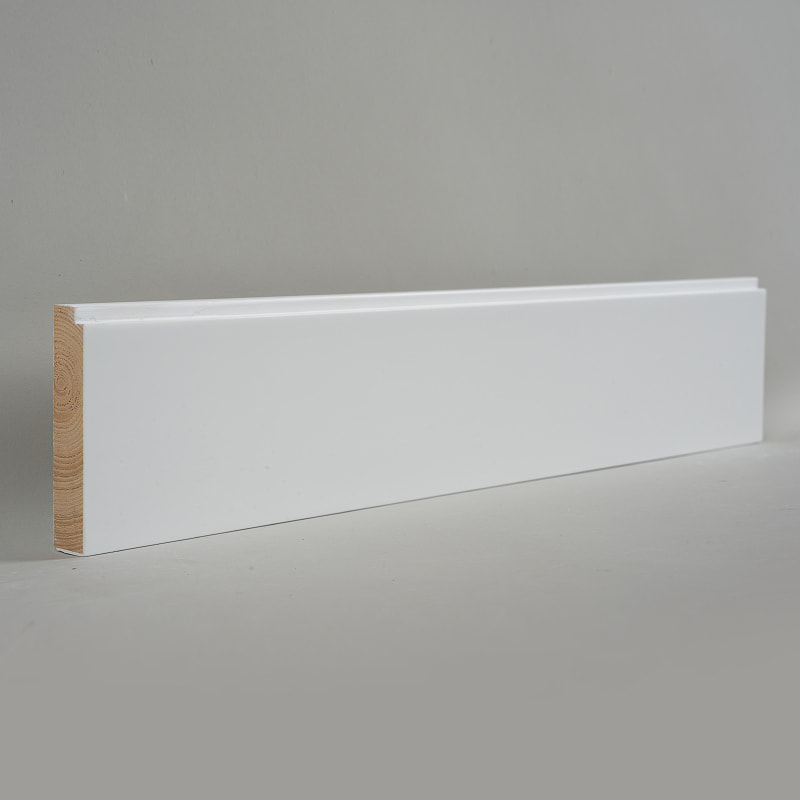
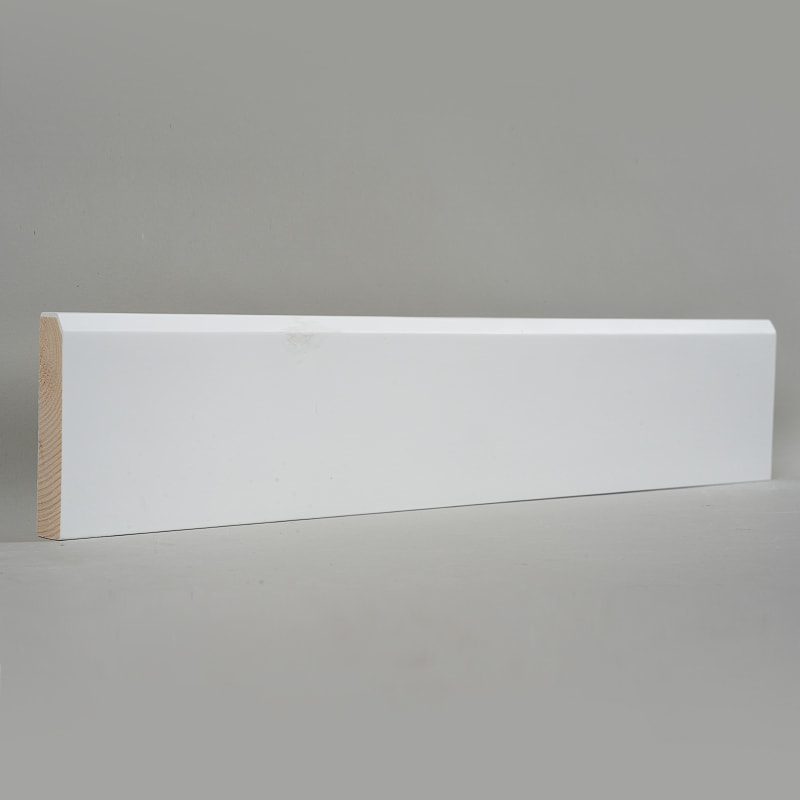
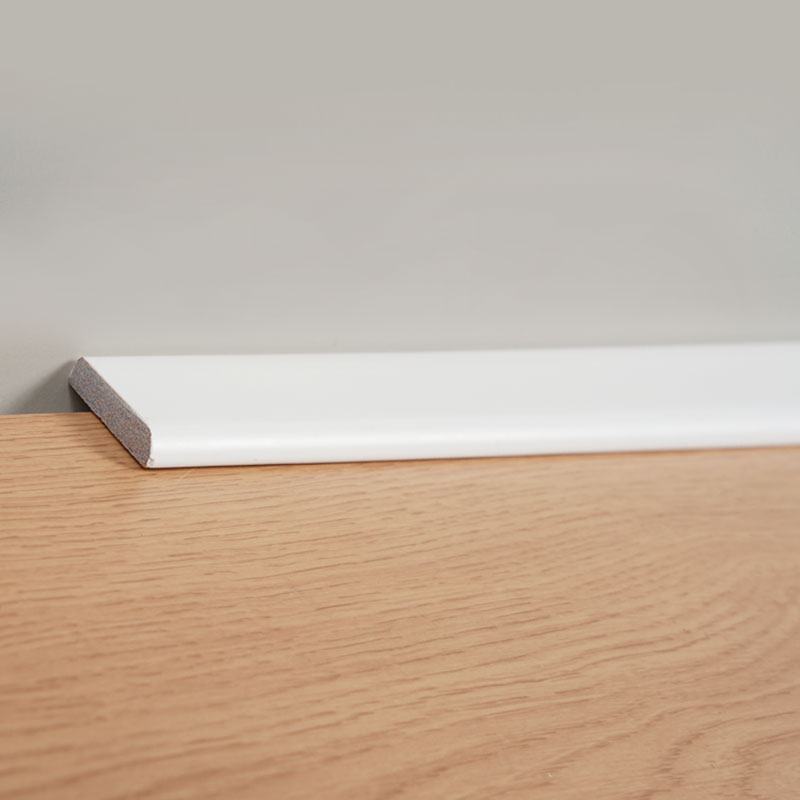
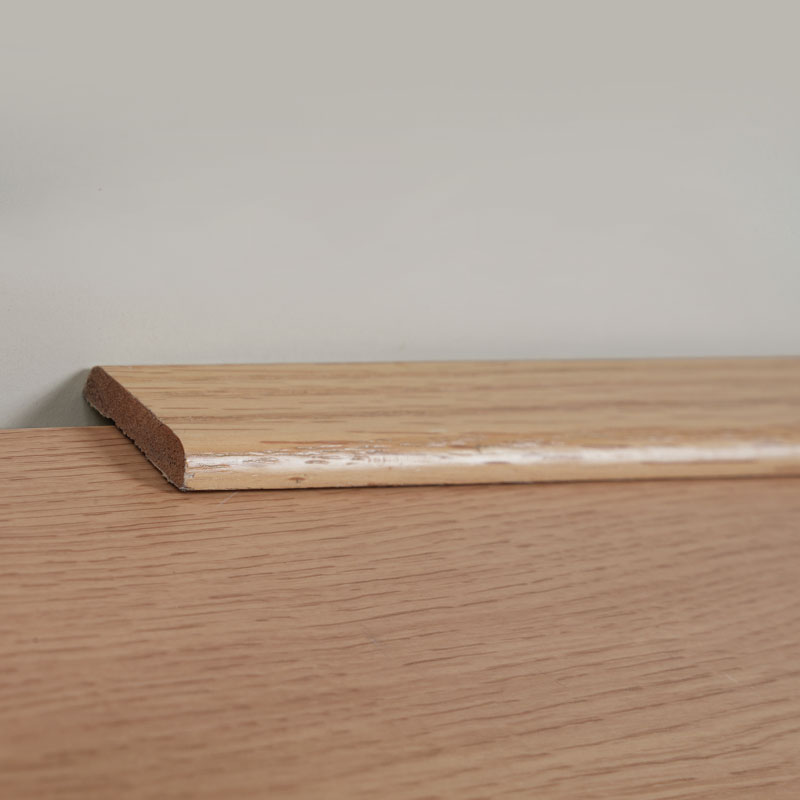
1. Skirting Boards / Baseboards
- Installed where the wall meets the floor.
- Conceals expansion gaps of wooden flooring.
- Protects walls from impact and cleaning tools.
- Huzhou Huicheng Home Technology Co., Ltd. excels in high-end solid wood skirting production with advanced UV coating and CNC shaping.
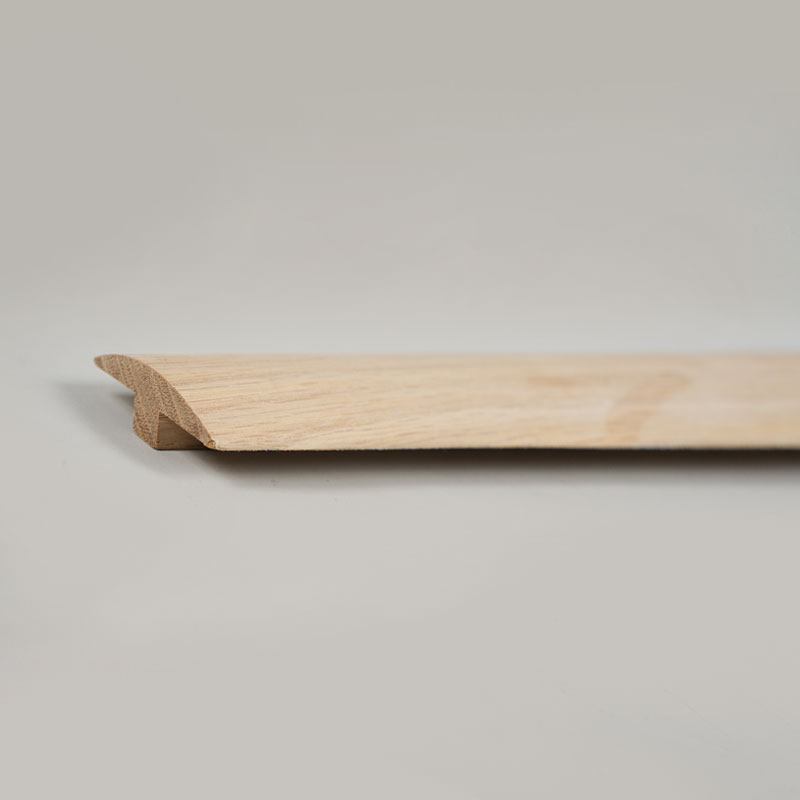
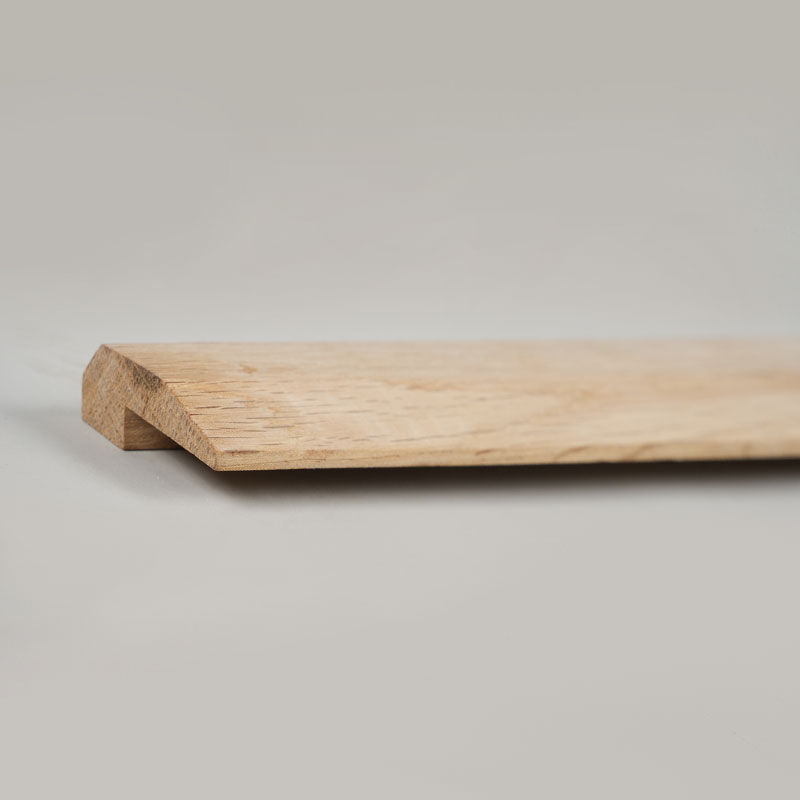
2. Transition Strips
- Connects wooden flooring to other floor materials (e.g., tile, carpet).
- Ensures smooth height transitions.
- Available in T-molding, reducer, and threshold styles.
3. Quarter Rounds / Shoe Molding
- Covers expansion gaps at the baseboard and floor junction.
- Offers a subtle decorative finish.
4. Stair Nosing
- Protects the edge of stair treads.
- Prevents wear and enhances safety.
- Often reinforced with high-quality coatings for long-term durability.
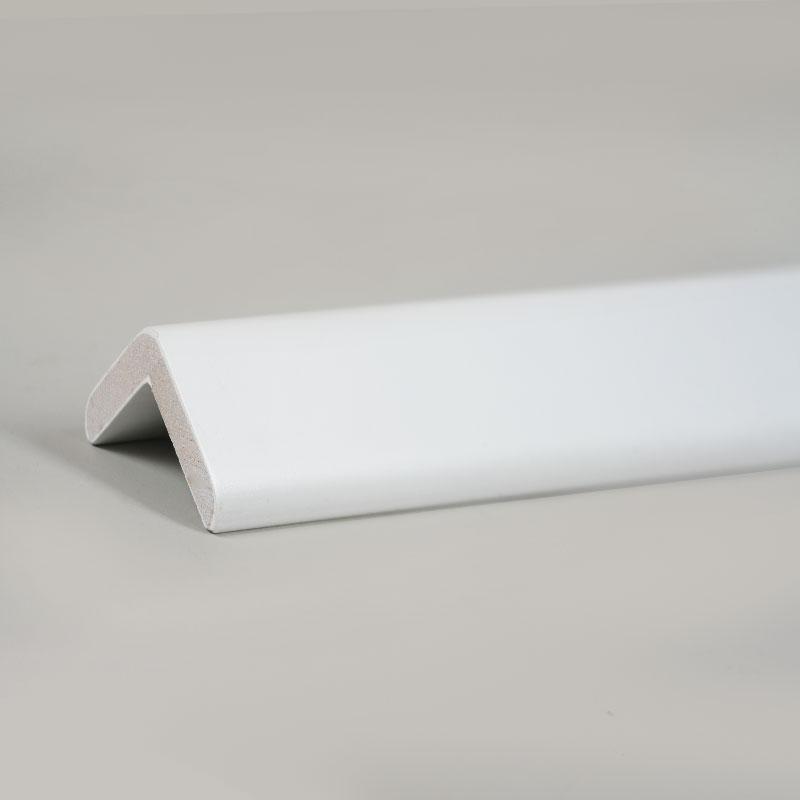
5. Edge Trims and End Caps
- Finishes open edges of wooden flooring.
- Commonly used at doorways, around cabinets, or flooring terminations.
Functions of Wooden Floor Trims
Wooden trims serve several essential purposes in flooring installation:
1. Aesthetic Enhancement
- Creates a polished and complete appearance.
- Coordinates with interior design and flooring style.
- High-quality finishing technologies at Huzhou Huicheng Home Technology Co., Ltd. ensure premium visual effects.
2. Protection
- Shields edges from impact, moisture, and dirt.
- Prevents wall scratches during cleaning.
3. Concealing Imperfections
- Covers expansion gaps required for wooden flooring stability.
- Hides uneven cuts or minor installation flaws.
4. Structural Support
- Acts as a stabilizing component at transitions and stair edges.
Installation Basics for Wooden Floor Trims
Proper installation ensures both performance and long-term durability of trims.
1. Preparation
- Measure all required areas accurately.
- Select trim styles that match both flooring and wall materials.
- Ensure the surface is clean, dry, and free of debris.
2. Cutting and Fitting
- Use miter saws for corners to achieve tight joints.
- Test-fit pieces before applying adhesive or nails.
- Huzhou Huicheng Home Technology Co., Ltd. utilizes advanced CNC cutting to ensure precision and fit.
3. Fixing Methods
- Adhesive installation for smooth surfaces.
- Nail or screw fixing for additional strength.
- Combination methods for uneven walls or heavy trims.
4. Finishing
- Fill gaps with color-matched sealant.
- Inspect for uniformity and smoothness.
- Use UV or water-based coatings if on-site finishing is required.
Comparison of Common Wooden Floor Trims
| Trim Type | Main Purpose | Advantages |
|---|---|---|
| Skirting Boards | Wall-floor protection & gap coverage | Strong, decorative, widely used |
| Transition Strips | Floor-to-floor connection | Ensures smooth and safe transitions |
| Quarter Rounds | Cover expansion gaps | Simple, elegant, versatile |
| Stair Nosing | Stair edge protection | Durable and safe |
| Edge Trims | Finish exposed floor edges | Clean and neat appearance |
Conclusion
Wooden floor trims play a vital role in both the appearance and functional quality of flooring projects. With industry-leading production technology, a complete manufacturing chain, and a strong commitment to quality, Huzhou Huicheng Home Technology Co., Ltd. provides reliable and customizable trim solutions for diverse residential and commercial applications. Each product is crafted with precision and backed by a team dedicated to delivering value and customer satisfaction.
A Complete Guide to Choosing the Right Floor Transition Strip for Multi-Material Flooring
Introduction
Selecting the right floor transition strip is essential for achieving a smooth, safe, and visually appealing connection between different types of flooring materials. Whether transitioning from tile to wood, laminate to carpet, or other material combinations, the proper transition strip enhances durability, safety, and aesthetics. With the growing demand for high-quality flooring accessories, manufacturers like Huzhou Huicheng Home Technology Co., Ltd. continue to innovate and deliver reliable solutions.
Established in 2002 and located in Hengjie Innovation and Entrepreneurship Industrial Park, Nanxun Town, Huzhou—known as China’s “wooden flooring capital”—Huzhou Huicheng Home Technology Co., Ltd. is a leading producer of premium wooden skirting and decorative profiles. With 20+ years of industry experience, a 5,000㎡ production area, advanced equipment such as fully automatic mud coating lines, UV vacuum spraying lines, UV printing roll coating lines, coating lines, and 3D printing technology, the company has built a complete supply chain from raw material procurement to delivery. Their professional team, strong production capacity, and dedication to quality enable them to meet diverse domestic and international project needs.
Understanding Floor Transition Strips
What Are Floor Transition Strips?
Floor transition strips are installed between two surfaces to create a smooth connection, ensuring both functional safety and a polished look. They prevent tripping hazards, cover uneven edges, and protect flooring from damage.
Why They Matter in Multi-Material Flooring
- Ensure a seamless appearance between different flooring types
- Compensate for height differences between materials
- Protect floor edges from cracking or chipping
- Provide long-term stability and reduce maintenance needs
Types of Floor Transition Strips
Depending on the flooring combination, several types of transition strips may be used:
- T-molding transition strips – Ideal for connecting floors of equal height
- Reducer strips – Used when one floor is higher than the other
- Threshold strips – Suitable for doorways and room transitions
- Carpet transition strips – Designed for carpet-to-hard-floor transitions
- Stair nosing strips – Improve safety and aesthetics on stair edges
How to Choose the Right Transition Strip
1. Consider the Flooring Materials
Select a strip compatible with both surfaces, whether wood, laminate, tile, stone, or carpet.
2. Measure Height Differences
A reducer strip is necessary when one floor stands higher than the other. T-molding is suitable when both floors are level.
3. Choose the Right Material
Transition strips come in various materials, each offering unique benefits:
- Wood – Natural and elegant, ideal for wood flooring
- PVC – Cost-effective and easy to install
- Metal (aluminum or stainless steel) – Durable and modern
4. Match the Aesthetics
To maintain design consistency, choose colors and textures that complement the flooring. With advanced technologies such as UV printing and 3D printing, manufacturers like Huzhou Huicheng Home Technology Co., Ltd. can offer precise and customizable finishes.
5. Evaluate Durability Requirements
For high-traffic areas, choose materials with strong wear resistance and long service life. Proper installation and quality manufacturing ensure lasting stability.
Comparison of Common Transition Strip Options
| Type | Best For | Advantages |
|---|---|---|
| T-Molding | Equal-height floors | Smooth connection, clean appearance |
| Reducer | Uneven-height floors | Safe, prevents tripping, durable |
| Threshold Strip | Doorways and room entries | Versatile, functional separation |
| Carpet Transition | Carpet to hard floors | Secures carpet edges, tidy finish |
| Metal Strip | Commercial or heavy-traffic areas | High durability, modern appearance |
Why Work With Professional Manufacturers
High-quality transition strips ensure durability, safety, and aesthetics. A professional manufacturer with strong production capabilities can guarantee consistency, stability, and customization options.
Advantages of Working With Huzhou Huicheng Home Technology Co., Ltd.
- 20+ years of flooring accessory manufacturing experience
- Complete production chain from raw materials to finished products
- Advanced automated equipment ensuring precision and efficiency
- Daily production capacity exceeding 15,000 meters
- Dedicated team for both mass production and small-batch customization
- Commitment to craftsmanship, customer satisfaction, and ethical business practices
Conclusion
Choosing the right floor transition strip is essential for maintaining safety, durability, and visual harmony in multi-material flooring projects. Whether for residential or commercial applications, careful selection based on height difference, material compatibility, and aesthetic goals ensures a high-quality finish.
With the expertise, advanced technology, and strong production capabilities of Huzhou Huicheng Home Technology Co., Ltd., customers can rely on well-crafted, consistent, and customizable solutions tailored to diverse flooring needs.
Common Installation Mistakes to Avoid When Using Floor Reducer Transition Strips
Introduction
Floor Reducer Transition Strips play an essential role in ensuring smooth height transitions between different flooring materials. When installed correctly, they improve safety, enhance aesthetics, and protect flooring edges from long-term wear. However, several common installation errors can reduce their effectiveness. As a professional manufacturer of wooden skirting and decorative lines, Huzhou Huicheng Home Technology Co., Ltd. brings over 20 years of industry experience, supported by advanced production technology such as fully automatic mud coating lines, UV vacuum spraying lines, UV printing roll coating lines, and 3D printing equipment. With a daily production capacity exceeding 15,000 meters, the company is committed to precision, craftsmanship, and customer satisfaction. Drawing on this extensive expertise, the following sections summarize key mistakes to avoid when installing reducer transition strips.
H3: Mistake 1 — Choosing the Wrong Material or Size
Selecting the incorrect type of Floor Reducer Transition Strip often leads to poor alignment and reduced durability.
How It Happens
- Using a reducer that does not match the height difference between two floors.
- Selecting unsuitable materials for high-traffic areas.
- Ignoring color or texture compatibility with the flooring.
How to Avoid It
- Measure floor height differences accurately before purchasing.
- Use durable materials for commercial and high-traffic spaces.
- Choose products that visually integrate with surrounding floors for better aesthetics.
H3: Mistake 2 — Improper Surface Preparation
Surface unevenness is one of the primary causes of poorly seated transition strips.
Common Issues
- Debris or dust left under the reducer strip.
- Uneven subfloors causing gaps.
- Failing to completely dry adhesive zones.
Prevention Tips
- Thoroughly clean the installation area before mounting.
- Repair or level uneven surfaces.
- Ensure the ground is fully dry when adhesives are used.
H3: Mistake 3 — Incorrect Use of Adhesives or Fasteners
Even well-designed transition strips can fail if incorrect bonding methods are used.
Typical Problems
- Insufficient adhesive coverage.
- Using unsuitable glue for the flooring material.
- Overtightening screws that cause warping or cracks.
Recommended Solutions
- Select adhesives suitable for wood, laminate, or vinyl, depending on the flooring type.
- Follow manufacturer guidelines for bonding strength and curing time.
- If screws are used, maintain even spacing to prevent deformation.
H3: Mistake 4 — Misalignment During Installation
Misalignment can diminish appearance and compromise performance.
Causes
- Failing to mark exact centerlines before installation.
- Applying adhesive before confirming correct positioning.
- Not using spacers or level tools.
Best Practices
- Mark alignment points on both sides of the doorway.
- Dry-fit the reducer strip before final installation.
- Use a level to ensure straight placement.
H3: Mistake 5 — Ignoring Expansion Gaps
Flooring materials such as wood and laminate expand with temperature and humidity changes. Without proper spacing, they can push against the transition strip and cause warping.
Common Errors
- No expansion space left between flooring and reducer strip.
- Installing transitions tightly against wooden floors.
- Underestimating seasonal movement.
Corrective Measures
- Allow recommended expansion gaps based on flooring type.
- Use reducers specifically engineered to accommodate movement.
- Check local climate conditions and adjust spacing accordingly.
H3: Mistake 6 — Using Low-Quality or Inconsistent Products
Low-quality materials or poorly manufactured strips often fail to withstand long-term use. With its 5,000-square-meter production area, hundreds of advanced machines, and fully automated finishing lines, Huzhou Huicheng Home Technology Co., Ltd. ensures strict quality control from raw material procurement to final delivery.
Risks
- Premature cracking or detachment.
- Poor coating quality that wears quickly.
- Inconsistent dimensions leading to installation challenges.
How to Avoid This
- Choose products manufactured with consistent standards and advanced coating technologies.
- Work with suppliers capable of both small-batch customization and large-scale production.
- Ensure reducers pass basic quality inspections before installation.
Conclusion
Avoiding these common installation mistakes ensures that Floor Reducer Transition Strips perform effectively, providing durability, safety, and visual harmony in any space. With extensive industry experience and complete production capabilities — from woodworking to UV coating and custom finishing — Huzhou Huicheng Home Technology Co., Ltd. continues to support both domestic and international clients with high-quality, meticulously crafted products. Whether for large projects or small custom batches, the company is dedicated to delivering exceptional flooring accessories and trusted service.
