 English
 Español
The Best Material for Skirting Boards: A Direct Answer
For most homes, pine wood is the best material for skirting boards. It offers an excellent balance of durability, workability, affordability, and aesthetic appeal. Pine is easy to cut, shape, and paint, making it the go-to choice for both professional joiners and DIY enthusiasts. However, the "best" material depends on your specific environment, budget, and design goals — so understanding your options is key.
The most common skirting board materials are:
- Pine Wood — the industry standard for most residential projects
- MDF (Medium Density Fibreboard) — budget-friendly and very smooth
- Hardwood (Oak, Tulipwood, etc.) — premium look and superior durability
- PVC / uPVC — best for wet or high-moisture areas
- Torus and Ogee profiles in softwood — classic architectural profiles
Why Pine Wood Skirting Boards Are the Most Popular Choice
Pine wood skirting boards have been used in British homes for centuries and remain the top-selling option today for very practical reasons.
Key Advantages of Pine
- Easy to work with: Pine can be cut, nailed, and shaped with standard tools. Mitring corners or scribing to uneven walls is straightforward.
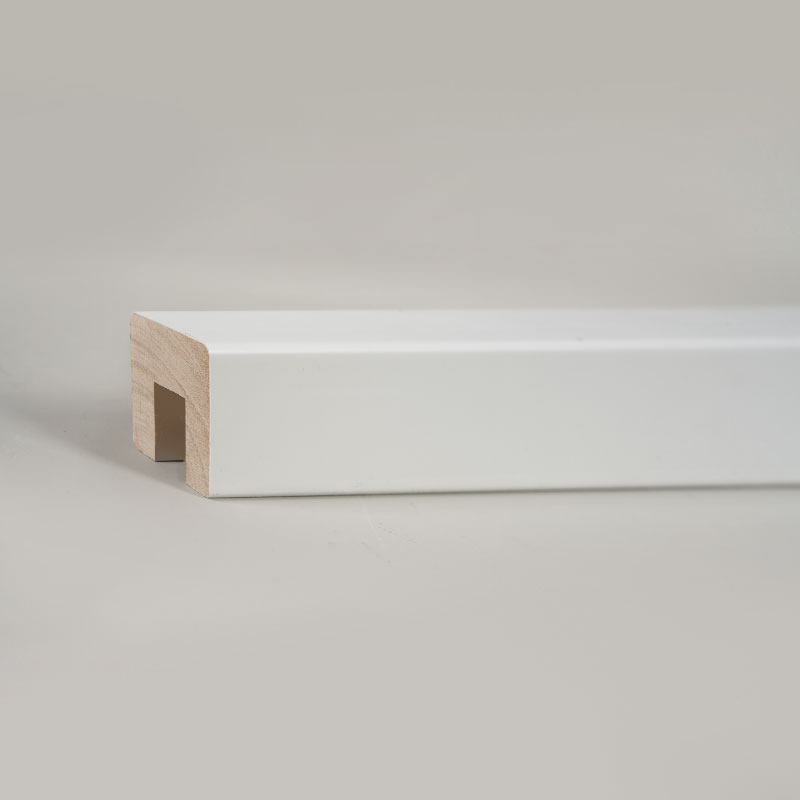
- Takes paint and primer well: Pine accepts both oil-based and water-based paints, allowing crisp, durable finishes. White primed pine is especially popular as it saves preparation time.
- Cost-effective: Pine is a fast-growing softwood, making it significantly cheaper than hardwoods. A standard 3-metre pine skirting board typically costs 30–60% less than an equivalent oak board.
- Wide profile availability: Pine is available in virtually every architectural profile — Torus, Ogee, Chamfered, Bullnose, and more.
- Stable and consistent: Kiln-dried pine resists warping and shrinkage when properly treated, making it reliable for long-term installation.
Typical Pine Skirting Board Specifications
| Property | Typical Value |
|---|---|
| Common Height Range | 70mm – 220mm |
| Common Thickness | 15mm – 25mm |
| Standard Length | 2.4m or 3.0m per board |
| Finish Options | Unprimed, White Primed, Stained |
| Best Use | Living rooms, bedrooms, hallways, stairs |
MDF Skirting Boards: Smooth Finish on a Budget
MDF (Medium Density Fibreboard) is the second most popular skirting board material, particularly for new-build properties and rental interiors. It is manufactured from compressed wood fibres and resin, resulting in a perfectly smooth, knot-free surface that is ideal for painted finishes.
- Pros: Consistent surface quality, no natural imperfections, lower cost than pine, holds paint well.
- Cons: Heavy for its size, can swell significantly when exposed to moisture, less durable at edges and corners, does not accept nails as cleanly as pine — screws are recommended.
- Best for: Dry rooms where a perfectly flat, white painted finish is the priority and budget is a key factor.
In high-humidity environments such as kitchens or bathrooms, MDF can swell by up to 15–20% in thickness when exposed to moisture — a significant drawback compared to moisture-resistant alternatives.
Hardwood Skirting Boards: Premium Appearance and Durability
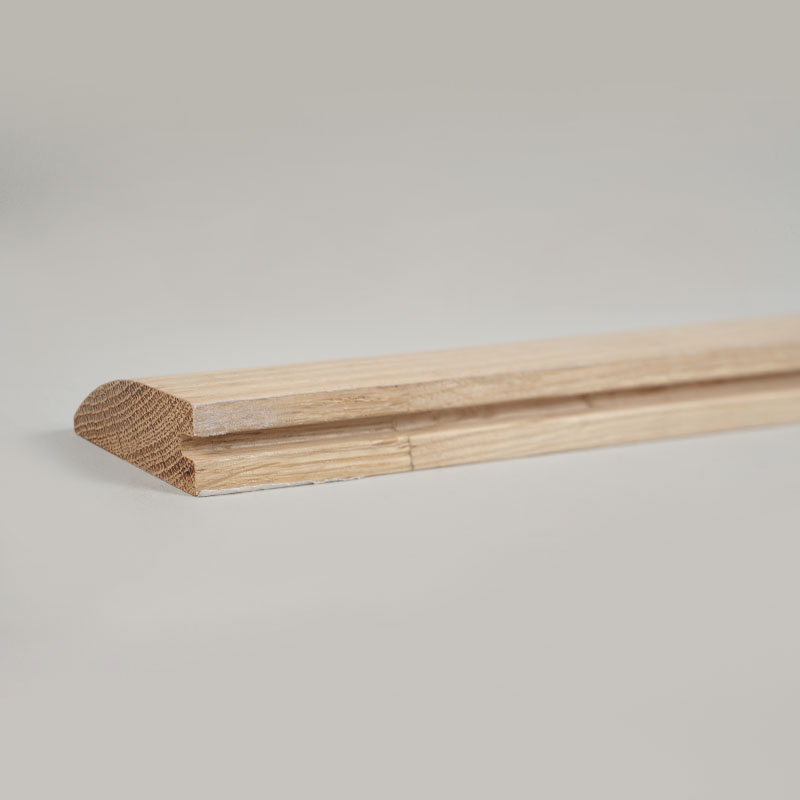
Hardwood options such as oak, tulipwood, and American white oak are the premium tier of skirting board materials. They are significantly denser and more durable than pine or MDF, making them ideal for high-traffic areas and period property renovations.
- Oak: A classic choice with beautiful natural grain. Typically sold unfinished to allow oiling, staining, or painting to match bespoke interiors.
- Tulipwood: Lighter in colour than oak, very smooth grain, excellent for painting to a high gloss finish.
- American White Oak: Consistent grain and pale, neutral tone — popular in contemporary Scandinavian-style interiors.
Hardwood skirting boards are typically 2–3 times more expensive than pine equivalents, but their lifespan and resistance to denting and wear justify the investment in premium projects. They are also less prone to the minor movement (expansion and contraction) that can occasionally affect softwood.
PVC and uPVC Skirting Boards: The Right Tool for Wet Areas
Plastic-based skirting boards made from PVC or uPVC are engineered specifically for environments where moisture is a constant issue. These are completely impervious to water, making them the correct material choice for bathrooms, utility rooms, conservatories, and commercial kitchens.
- Will never swell, rot, or warp due to moisture exposure
- Easy to wipe clean and resistant to mould growth
- Typically available in white as standard; some ranges offer colour options
- Less natural in appearance — not suitable where a timber aesthetic is important
- Can look less premium than wood-based options in living spaces
For any room with a wet floor or steam exposure, PVC skirting is a practical and cost-effective solution that will outlast wood alternatives without maintenance.
How to Choose the Right Skirting Board Material for Your Room
The best material depends on a combination of environmental conditions, design requirements, and budget. Use this guide as a starting reference:
| Room Type | Recommended Material | Reason |
|---|---|---|
| Living Room / Bedroom | Pine Wood | Great finish, easy to paint, cost-effective |
| Hallway / Stairs | Pine Wood or Hardwood | Durability for high-traffic zones |
| Bathroom / Utility Room | PVC / uPVC | Fully moisture-resistant |
| Kitchen | PVC or Moisture-Resistant MDF | Resistant to steam and splashes |
| Period / Listed Property | Hardwood or Pine (Ogee/Torus) | Authentic architectural profile |
| New-Build / Rental | MDF or White Primed Pine | Budget-friendly, clean finish |
Pine vs MDF: A Closer Comparison for Home Renovators
The most common decision homeowners face is whether to choose pine or MDF. Both are competitively priced and widely available. Here is a direct comparison:
| Feature | Pine Wood | MDF |
|---|---|---|
| Surface Smoothness | Good (minor grain visible) | Excellent (perfectly flat) |
| Moisture Resistance | Moderate (treat first) | Poor (swells easily) |
| Weight | Lighter | Heavier |
| Nailing Ease | Excellent | Fair (screws preferred) |
| Longevity | Very good | Good in dry conditions |
| Paint Finish Quality | Very good | Excellent |
| Cost (approx. per metre) | £2 – £5 | £1.50 – £4 |
Pine wins overall for versatility and longevity. MDF is the better pick purely when absolute surface smoothness before painting is the single priority and the room is consistently dry.
Important Factors to Consider Beyond Material
Once you have chosen the right material, these secondary considerations will ensure the best final result:
- Profile height: Taller skirting boards (150mm–220mm) create a more elegant, period feel; shorter boards (70mm–100mm) suit contemporary minimalist rooms.
- Primed vs unprimed: White primed pine saves preparation time and reduces the number of undercoat coats needed before topcoating.
- Profile design: Torus and Ogee profiles are traditional; chamfered and square-edge profiles suit modern interiors.
- Acclimatisation: Allow wood-based skirting boards to acclimatise in the room for at least 48 hours before fitting to minimise post-installation movement.
- Fixing method: Use a combination of adhesive and nails for pine; rely more on adhesive for MDF to avoid splitting.
Frequently Asked Questions
Q1: Is pine or MDF better for skirting boards?
Pine is generally better — it is lighter, more durable, easier to nail, and more resistant to moisture than standard MDF. MDF provides a smoother surface but is heavier and can swell in humid conditions.
Q2: How long do pine wood skirting boards last?
When properly primed, painted, and installed, pine skirting boards can last 20–30 years or more with minimal maintenance.
Q3: Can pine skirting boards be used in a bathroom?
Pine can be used in a bathroom if it is thoroughly primed and painted with a moisture-resistant paint. However, PVC or uPVC is a safer long-term choice for rooms with high humidity or direct water exposure.
Q4: What height skirting board should I choose?
For standard ceiling heights (2.4m), boards of 100mm–145mm are proportionate. For higher ceilings (2.7m+), 150mm–220mm creates a more balanced look.
Q5: Do I need to prime pine skirting before painting?
Yes. Unprimed pine should receive at least one coat of wood primer before topcoating. Alternatively, buying white primed pine eliminates this step and saves preparation time on site.
Q6: What is the difference between softwood and hardwood skirting boards?
Softwood (such as pine) is lighter, cheaper, and easier to work with. Hardwood (such as oak) is denser, more durable, and better suited to high-traffic or premium installations, but costs significantly more.