
 English
 Español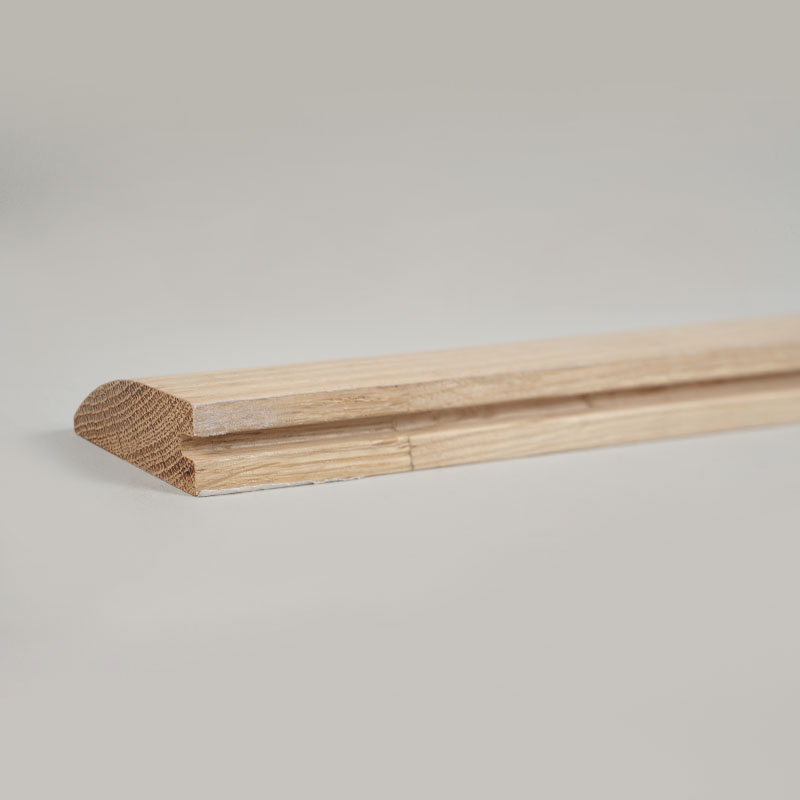
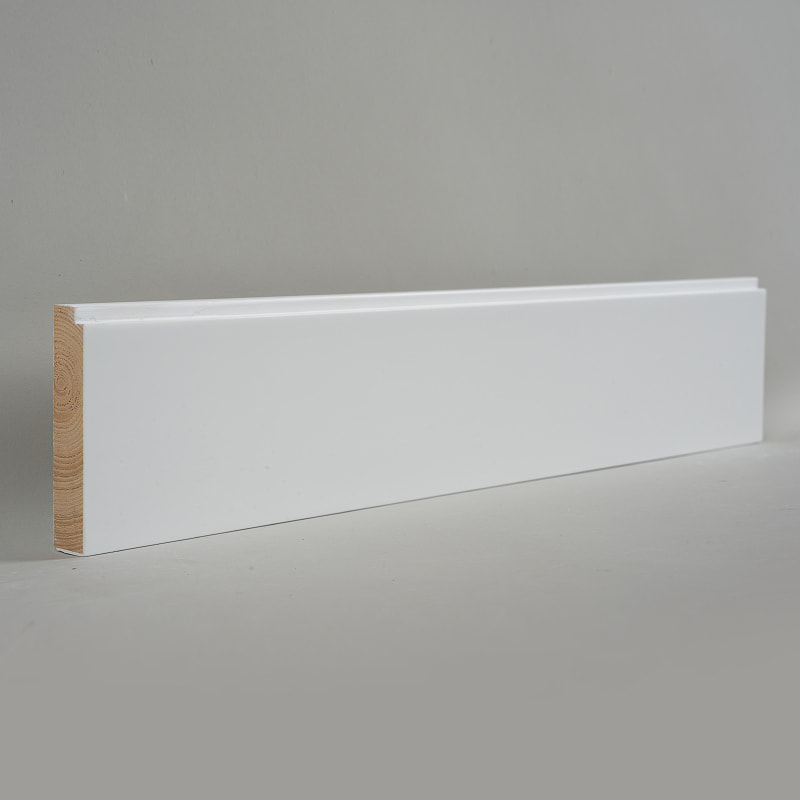
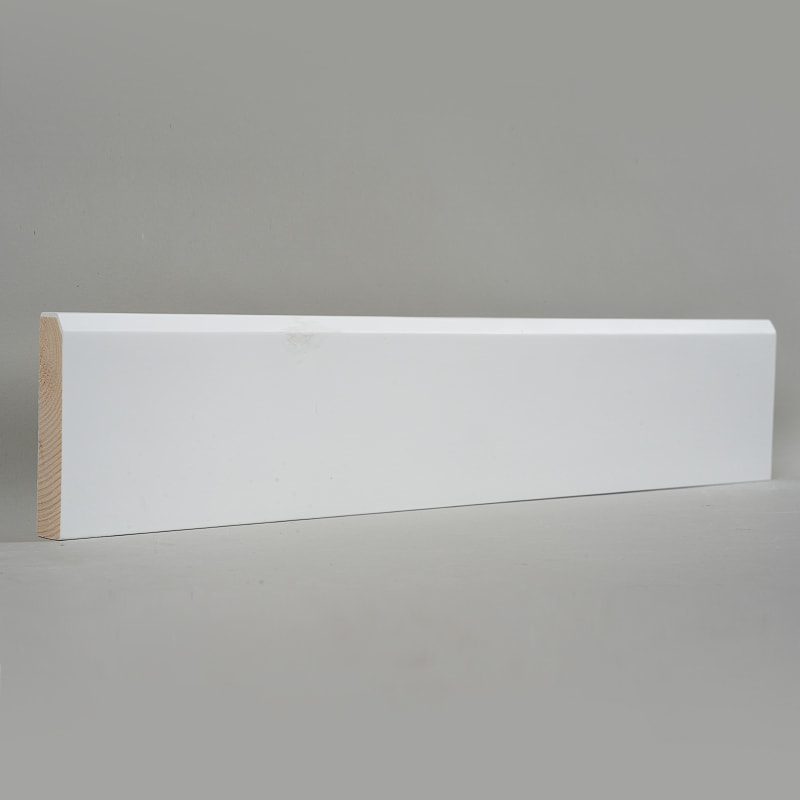
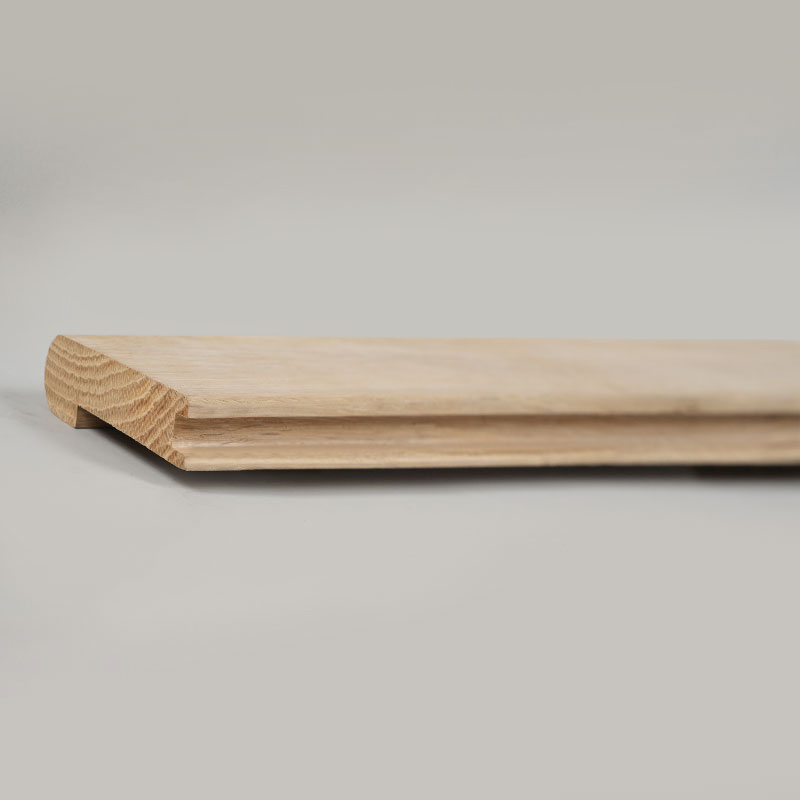
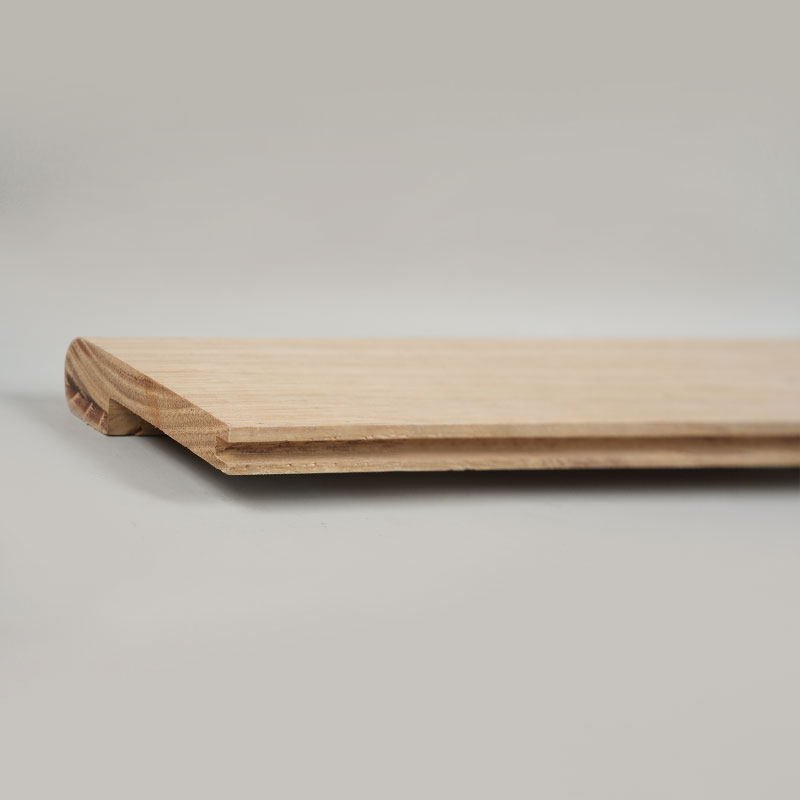






Understanding Solid Oak Stair Nosing
Solid oak stair nosing is a durable and aesthetically appealing finishing element for stairs. It not only protects the stair edge from wear and tear but also enhances safety by providing better grip. Choosing the correct nosing depends on factors such as stair design, usage frequency, and interior style.
1. Identify the Stair Type
Different stair designs require different nosing solutions:
Straight Stairs
Standard solid oak nosing works well; choose a profile that complements the stair width.
Curved or Spiral Stairs
Flexible or custom-cut oak nosing may be needed to follow the curvature seamlessly.
Open or Floating Stairs
A minimalist nosing profile can maintain the visual openness while providing edge protection.
2. Consider Usage and Traffic
The level of foot traffic influences the choice of thickness, hardness, and finish:
High Traffic Areas
Opt for thicker, denser oak with anti-slip finishes to ensure long-lasting durability.
Low Traffic or Residential Areas
Lighter profiles with smooth finishes may suffice, focusing more on aesthetics.
3. Select the Appropriate Profile
Solid oak stair nosing comes in various profiles:
Round Nose
Provides a smooth, classic look while reducing edge impact.
Square Edge
Offers a modern, sharp appearance suitable for contemporary interiors.
Bullnose
Adds extra surface area for enhanced safety and wear resistance.
4. Choose the Right Finish
The finish affects both aesthetics and performance:
Natural Oil or Wax
Highlights the oak grain and provides a subtle protective layer.
Varnish or Lacquer
Creates a durable, glossy finish that resists scratches and moisture.
Anti-Slip Coating
Essential for public or commercial spaces to prevent accidents.
5. Ensure Proper Installation
Even the best nosing will underperform if poorly installed:
- Use adhesives and screws designed for hardwood to secure the nosing firmly.
- Make sure the nosing aligns perfectly with the stair tread for safety and comfort.
- Consider professional installation for complex stair designs or curved applications.
Choosing the right solid oak stair nosing involves assessing the stair type, traffic levels, desired profile, and finish. Prioritizing both functionality and design ensures the stairs remain safe, durable, and visually appealing for years.
How to Choose the Right Solid Wood Stair Nose for Durability and Aesthetics
The stair nose is the finishing edge of a stair tread and plays a crucial role in both safety and visual appeal. Choosing the right solid wood stair nose ensures longevity, complements your interior design, and provides a safe transition between stairs and flooring.
1. Understand the Types of Solid Wood Stair Nose Profiles
- Round-over: Smooth, rounded edge; gentle on feet; commonly used in residential applications.
- Square: Sharp, clean lines; modern appearance; may show wear faster if high traffic.
- Beveled/Chamfered: Angled edges; balances safety and style; reduces chipping.
- Custom or decorative profiles: Offers unique aesthetic options; may require professional installation.
2. Consider the Wood Species for Durability
- Hardwoods (Oak, Maple, Hickory): Excellent durability; resists dents and scratches.
- Softwoods (Pine, Cedar): More prone to wear; can be cost-effective for low-traffic areas.
- Exotic woods (Walnut, Teak): High-end look; durable but higher cost.
3. Match the Stair Nose to Flooring
Ensure the color, grain, and finish of the stair nose complement the stair treads and surrounding flooring. Consistency in wood type enhances aesthetic cohesion.
4. Finish and Protective Coatings
- Polyurethane or varnish: Provides long-lasting protection against scratches, moisture, and UV exposure.
- Pre-finished vs. unfinished: Pre-finished saves time and ensures uniform finish; unfinished allows for on-site customization.
5. Installation Considerations
- Proper sizing: The stair nose should slightly overhang the tread for safety and style.
- Secure attachment: Use adhesives and nails appropriate for wood type to prevent movement.
- Expansion allowance: Wood naturally expands and contracts; leave space to prevent cracking.
6. Maintenance for Longevity
- Regular cleaning with a soft cloth or broom.
- Avoid harsh chemicals that can damage the wood finish.
- Periodic refinishing can restore aesthetics and protect against wear.
Choosing the right solid wood stair nose is a balance between aesthetics, durability, and functionality. By carefully selecting the wood species, profile, finish, and installation method, homeowners and designers can achieve a safe, stylish, and long-lasting staircase.
