 English
 Español
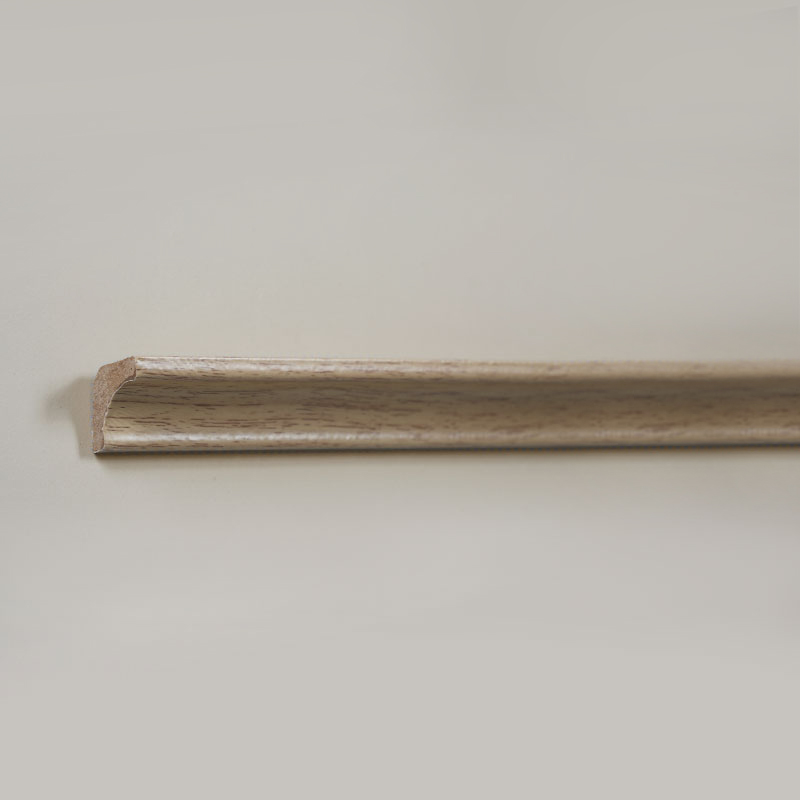
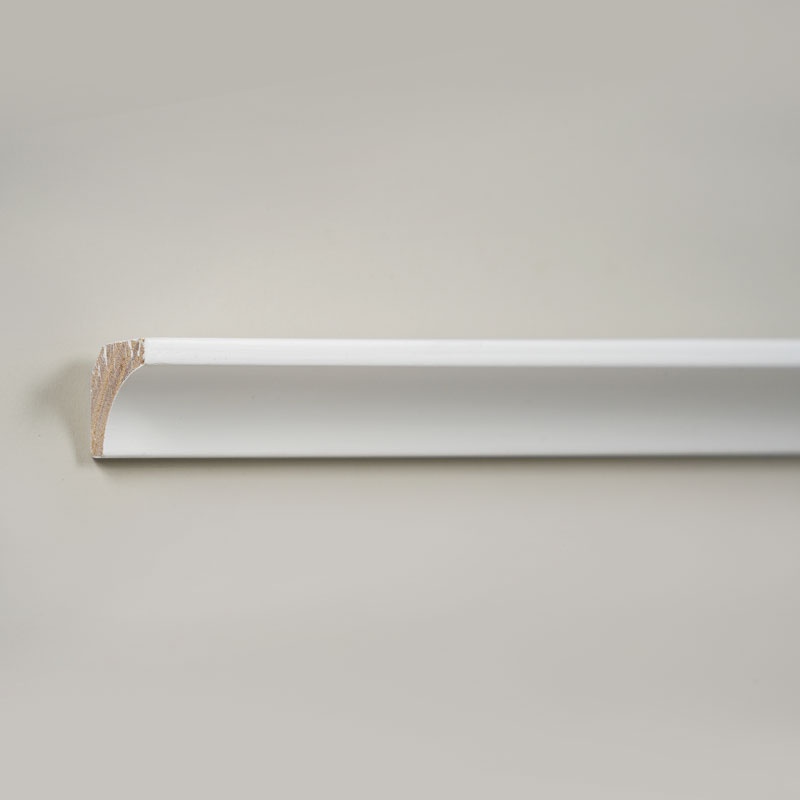
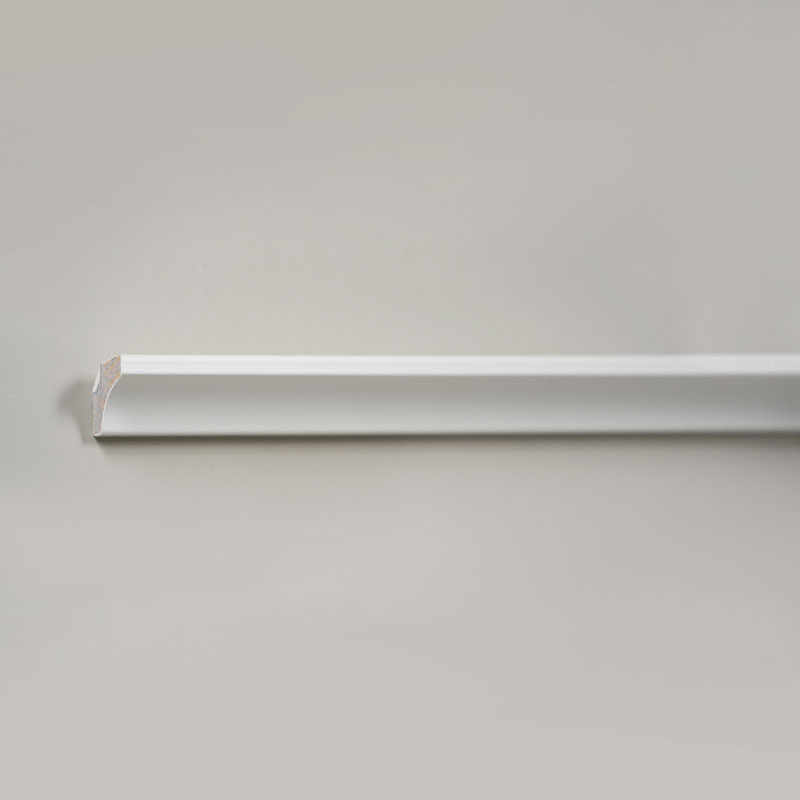
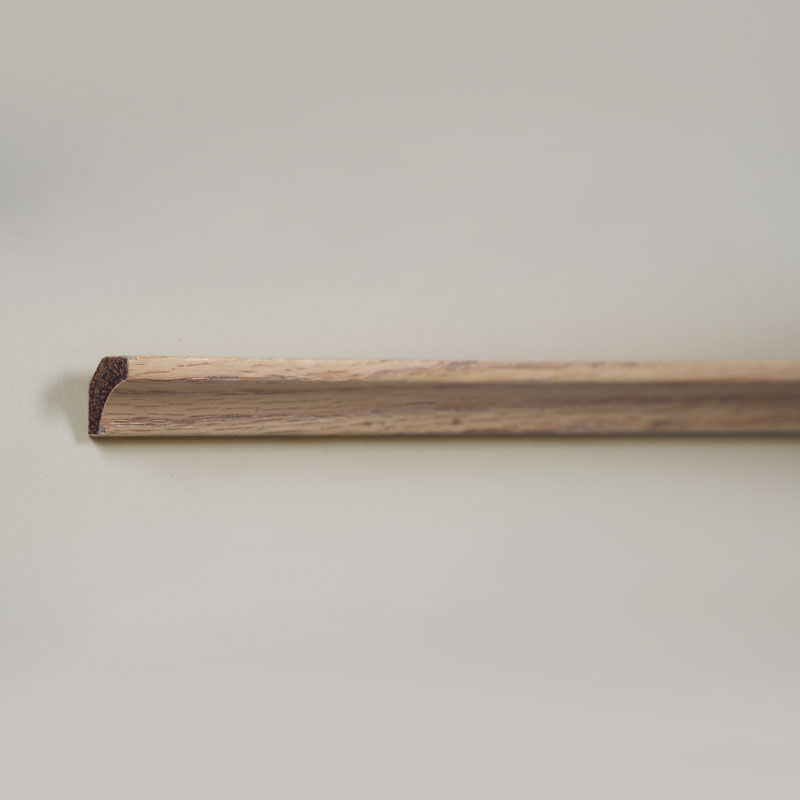
Inside corner moulding plays a vital role in interior design, offering both functional and aesthetic solutions for wall transitions. Unlike outside corner moulding, which accentuates edges projecting outward, inside corner moulding is specifically designed to create smooth transitions at concave angles where two walls meet. Understanding the differences between these two types of moulding is essential for selecting the appropriate product for your interior projects. In addition, the application of wall corner molding and inside cove molding provides practical benefits, including protection from damage and a refined finish.
Understanding Inside Corner Moulding
Inside corner moulding is primarily used to finish concave corners where two walls intersect. Its design ensures a seamless and visually appealing transition, enhancing the overall interior appearance. Unlike outside corners, which are more exposed and prone to damage, inside corners benefit from the protective nature of the moulding.
The key features of inside corner moulding include:
- Smooth transitions: Ensures a clean and professional look at interior corners.
- Ease of installation: Often designed with flexible profiles for precise fitting.
- Compatibility: Works with various wall materials, including drywall, plaster, and wood.
In interior design projects, the installation of wall corner molding and inside cove molding is often prioritized for both new constructions and renovation projects. These mouldings help conceal minor wall imperfections and provide a polished finish.
Distinguishing Inside Corner Moulding from Outside Corner Moulding
The differences between inside and outside corner moulding are significant in both function and application:
-
Location and Angle
Inside corner moulding is applied to concave corners, typically at a 90-degree junction where two walls meet inward. Outside corner moulding, on the other hand, is used for convex edges that project outward, forming a protective and decorative frame around protruding corners. -
Design and Profile
The profile of inside corner moulding is often designed to fit snugly within the concave angle, allowing for minimal gaps. Outside corner moulding is more robust, often featuring reinforced edges to prevent chipping and damage. -
Functional Purpose
While both moulding types enhance aesthetics, inside corner moulding primarily ensures smooth visual flow and conceals imperfections. Outside corner moulding is designed to absorb impact and protect sharp edges from wear and tear. -
Installation Techniques
Inside corner moulding typically requires precise measuring and sometimes flexible cutting to match wall irregularities. Outside corners may need additional reinforcement, especially in high-traffic areas. Both types benefit from adhesives and nails, but the techniques vary due to the structural differences in wall intersections.
Materials Commonly Used for Inside Corner Moulding
Inside corner moulding is available in a range of materials to suit different applications:
- Wood: Provides a classic look and can be painted or stained. Ideal for residential interiors.
- MDF (Medium Density Fiberboard): Cost-effective and smooth, suitable for painting and easy installation.
- PVC or Vinyl: Resistant to moisture, making it suitable for kitchens, bathrooms, and commercial spaces.
- Polyurethane: Lightweight, durable, and flexible, often used for decorative or complex profiles.
Selecting the right material ensures durability, aesthetic consistency, and ease of maintenance. In commercial settings, wall corner molding and inside cove molding made from PVC or polyurethane are often preferred for their resilience and low upkeep requirements.
Design Considerations for Inside Corner Moulding
When choosing inside corner moulding, several design factors must be considered:
-
Profile Style
Profiles range from simple rounded edges to intricate decorative patterns. The choice depends on the desired aesthetic and room style. -
Wall Compatibility
Ensure the moulding matches the wall material and thickness to prevent gaps or misalignment. -
Color and Finish
Painting or finishing the moulding should complement the overall interior design. Some inside corner moulding comes pre-primed, facilitating easy customization. -
Durability Requirements
High-traffic areas may require moulding with stronger material composition to resist dents and scratches.
Benefits of Using Inside Corner Moulding
Incorporating inside corner moulding in interior design provides several advantages:
- Enhanced aesthetics: Creates a professional and polished look for interior corners.
- Protection for wall edges: Reduces the risk of damage at concave intersections.
- Ease of maintenance: Smooth surfaces are easier to clean and repaint if needed.
- Seam concealment: Hides minor imperfections, gaps, and uneven drywall cuts.
Using wall corner molding and inside cove molding strategically can elevate both residential and commercial interiors, ensuring corners are visually consistent and functional.
Installation Tips for Inside Corner Moulding
Installing inside corner moulding requires attention to detail:
- Measure accurately: Use a reliable measuring tape to calculate the exact length and angle.
- Cut precisely: Mitre cuts are often required for a seamless fit.
- Check wall alignment: Irregular walls may require sanding or filling gaps before installation.
- Use proper adhesive: Apply adhesive and/or nails for secure attachment, ensuring the moulding sits flush against the walls.
- Finish properly: Paint or stain the moulding after installation for a polished appearance.
Following these steps ensures a professional installation that maximizes the benefits of inside corner moulding.
Comparison Table: Inside vs. Outside Corner Moulding
| Feature | Inside Corner Moulding | Outside Corner Moulding |
|---|---|---|
| Application Location | Concave corners | Convex corners |
| Primary Function | Smooth visual flow, concealment | Protection, accentuation |
| Profile Design | Flexible, snug fit | Reinforced, robust edges |
| Material Options | Wood, MDF, PVC, Polyurethane | Wood, MDF, PVC, Polyurethane |
| Installation Considerations | Precision cutting, alignment | Reinforcement, impact resistance |
Common Buyer Considerations
When selecting inside corner moulding, buyers often consider:
- Compatibility with existing wall materials and finishes
- Material durability and maintenance requirements
- Ease of installation, particularly for DIY projects
- Cost-effectiveness without compromising quality
- Design aesthetics and style alignment with other mouldings
Wall corner molding and inside cove molding options cater to these needs by providing flexible profiles and multiple material choices to suit various applications.
Conclusion
Inside corner moulding and outside corner moulding serve distinct purposes in interior design. While inside corner moulding emphasizes smooth transitions and aesthetic enhancement, outside corner moulding prioritizes protection and edge definition. Using wall corner molding and inside cove molding strategically can improve interior appearance, protect wall surfaces, and simplify maintenance. Selecting the right material, profile, and installation method ensures the longevity and visual appeal of interior corners.
FAQs about Inside Corner Moulding
Q1: Can inside corner moulding be used in bathrooms?
Yes, mouldings made from PVC or polyurethane are suitable for high-moisture areas like bathrooms and kitchens.
Q2: What is the difference between wall corner molding and inside cove molding?
Wall corner molding generally refers to all corner trims, while inside cove molding specifically addresses concave corner transitions.
Q3: How do I fix gaps between inside corner moulding and walls?
Minor gaps can be filled with caulk or wood filler, then sanded and painted for a smooth finish.
Q4: Can inside corner moulding be painted?
Yes, most mouldings can be painted or stained. Pre-primed options facilitate easier painting.
Q5: Is inside corner moulding difficult to install for beginners?
With proper measurement and cutting tools, installation is manageable, especially for pre-primed or flexible profiles.