 English
 Español
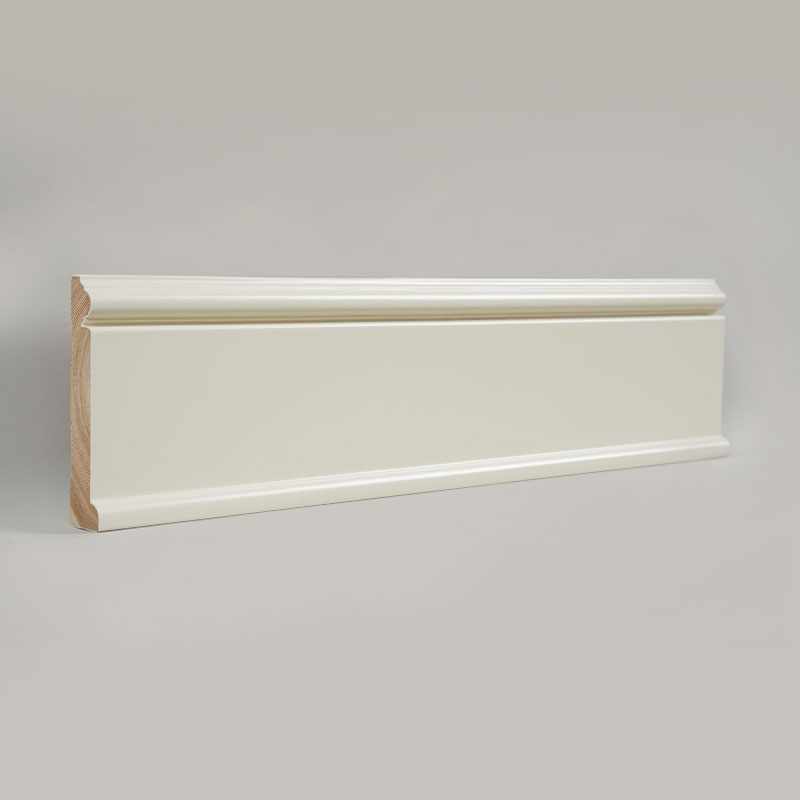
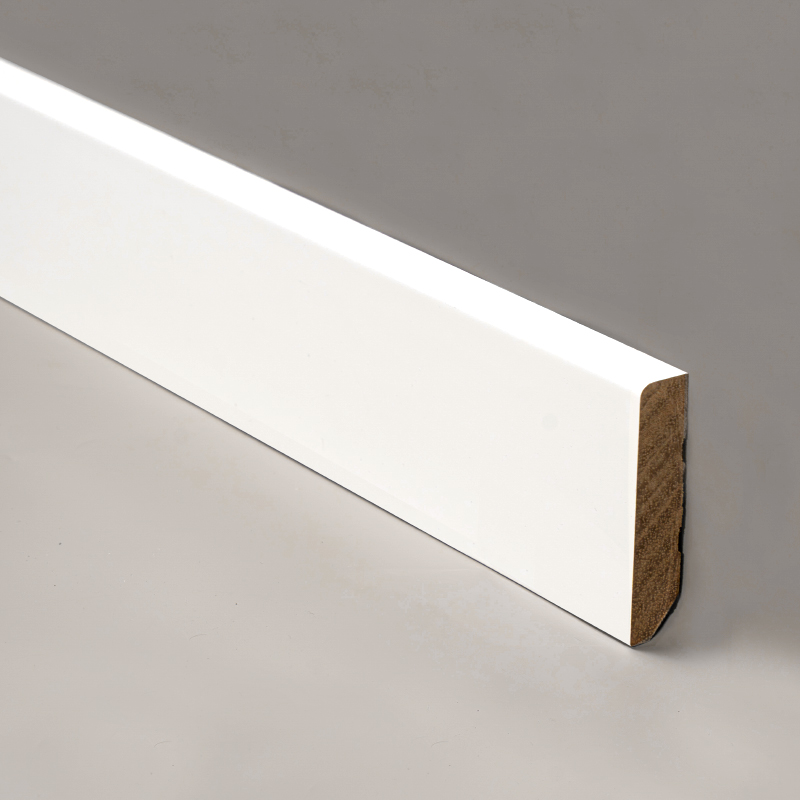
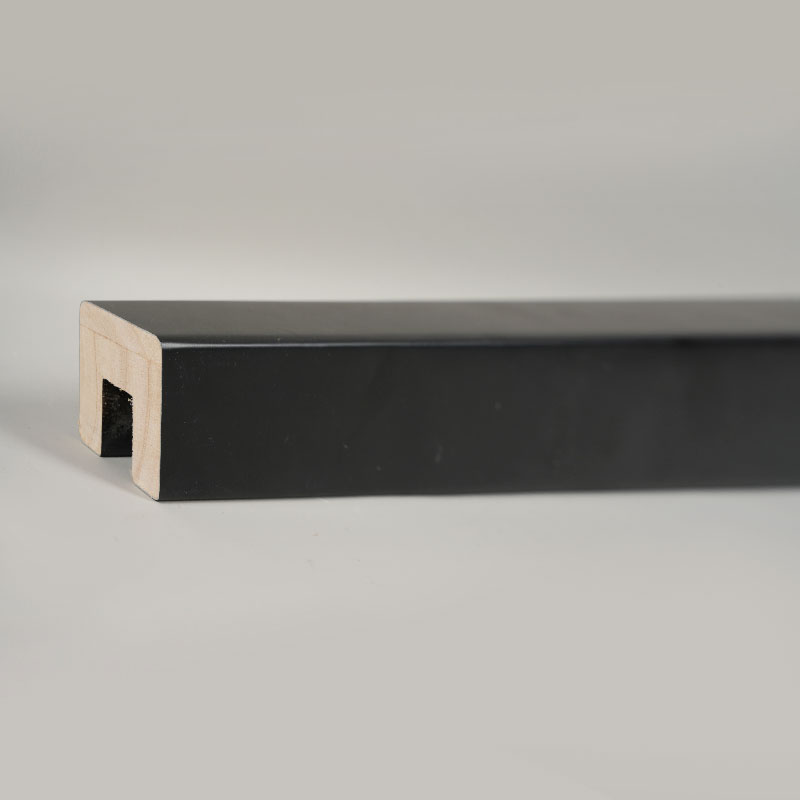
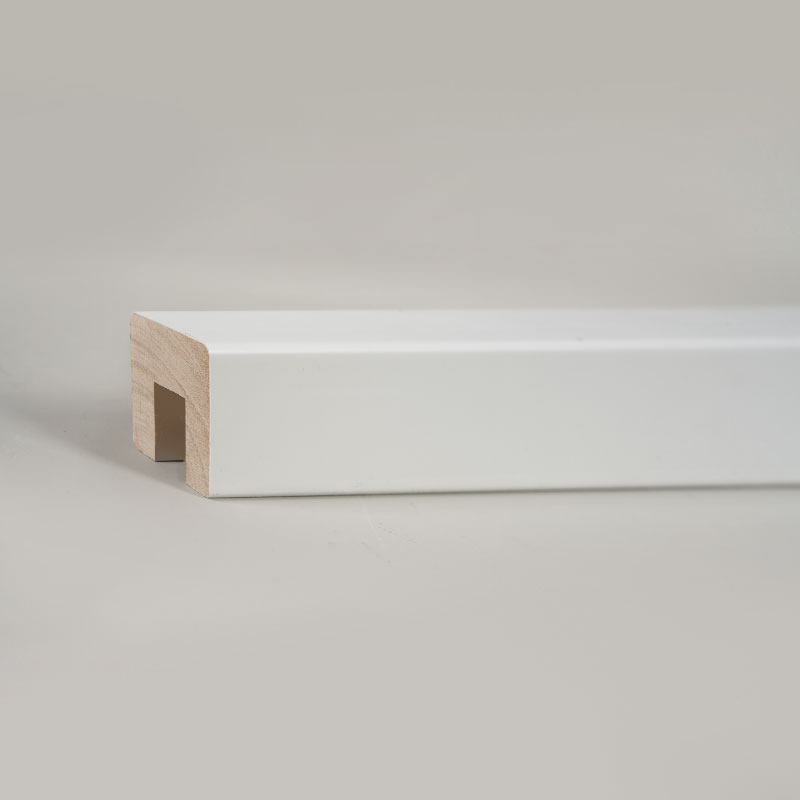
Solid hardwood floor trims are essential components in both residential and commercial flooring projects, providing a seamless transition between flooring surfaces and enhancing the overall aesthetic of a space. Among the various wood species used for these trims, oak and maple are two of the most commonly selected due to their durability, visual appeal, and adaptability to diverse interior styles.
Material characteristics of oak and maple
Oak and maple are both hardwoods, but they exhibit distinct differences in grain patterns, density, and color variations. These properties directly affect the selection of solid hardwood floor trims for different applications.
Oak is known for its prominent grain structure and natural durability. The wood often features a coarse, textured grain with visible growth rings, giving a traditional and rustic appearance. Oak is available in red and white variants, each with subtle differences in color and grain prominence.
Maple, in contrast, has a smoother, more uniform grain pattern, offering a clean and contemporary look. The wood is typically lighter in color, ranging from creamy white to light golden hues. Its fine texture and minimal grain patterns make maple ideal for modern or minimalist interior designs.
The table below summarizes the key material properties of oak and maple:
| Property | Oak | Maple |
|---|---|---|
| Grain pattern | Coarse, pronounced | Smooth, uniform |
| Hardness (Janka scale) | Moderate to high | High |
| Color | Reddish-brown (red oak), pale (white oak) | Creamy white to light golden |
| Durability | Excellent | Very good |
| Workability | Moderate, may splinter when cut | Easy to machine and shape |
Aesthetic considerations
The visual impact of solid hardwood floor trims is critical in defining the character of a room. Oak trims typically convey a sense of warmth and traditional elegance. Their pronounced grain adds texture and depth, complementing classic wood floors and interiors with intricate detailing. Oak’s natural color variations can be enhanced through staining, allowing customization to match or contrast with existing flooring.
Maple trims, however, create a more refined and understated aesthetic. The subtle grain and uniform color provide a smooth visual transition, making them suitable for contemporary, minimalist, or Scandinavian-style interiors. Maple trims can also be stained or left natural to maintain a bright and airy feel in a space.
When choosing between oak and maple, it is important to consider the desired visual continuity with the flooring and other architectural elements. Oak may be preferable for spaces seeking warmth and texture, while maple is ideal for a sleek, modern appearance.
Durability and performance
Solid hardwood floor trims must withstand foot traffic, furniture movement, and environmental changes, including humidity fluctuations. Oak’s inherent density and robust grain structure contribute to excellent wear resistance and long-term stability. It is less prone to denting or scratching compared to many other hardwoods, making it a reliable choice for high-traffic areas.
Maple, while also hard and durable, is slightly more susceptible to dents due to its uniform grain. However, it compensates with superior dimensional stability, meaning it is less likely to warp or expand under fluctuating humidity conditions. This property makes maple trims particularly suitable for indoor environments with controlled climates.
The following table illustrates the comparative durability and performance of oak and maple trims:
| Feature | Oak | Maple |
|---|---|---|
| Scratch resistance | High | Moderate to high |
| Impact resistance | Very good | Good |
| Warping/expansion | Low | Very low |
| Longevity | 20+ years with proper care | 20+ years with proper care |
Installation considerations
The installation of solid hardwood floor trims requires careful attention to wood species characteristics. Oak trims are slightly harder to cut and may require sharper tools due to their coarse grain. The wood’s pronounced texture can also make precise sanding or finishing more labor-intensive. Pre-finished oak trims can simplify installation by reducing the need for additional finishing steps on-site.
Maple trims, on the other hand, are easier to machine, cut, and sand due to their fine, uniform grain. This property facilitates intricate trim profiles and detailed transitions, particularly in modern interior designs. Care should be taken to prevent chipping at edges during cutting, which can occur if tools are not properly maintained.
Regardless of species, it is recommended to acclimate the trims to indoor conditions before installation to minimize expansion or contraction post-installation. Proper use of adhesives or nails ensures a secure and long-lasting fit.
Maintenance and care
Maintenance of solid hardwood floor trims varies slightly between oak and maple due to differences in grain and hardness. Oak trims may show scratches or dents more prominently on lighter finishes; therefore, periodic cleaning and occasional refinishing are advised. Dusting with a soft cloth, using pH-neutral cleaners, and avoiding excess water are standard maintenance practices.
Maple trims require similar cleaning, but due to their smooth grain, scratches are less visible, and the trims retain their aesthetic appeal longer with minimal intervention. Applying a protective finish can further enhance resistance to wear and maintain the visual quality of both oak and maple trims.
Cost and availability
The cost of solid hardwood floor trims depends on wood species, grade, profile complexity, and availability. Oak is generally widely available and moderately priced, making it a cost-effective choice for many projects. Maple, although similarly common, can be slightly more expensive due to its demand for contemporary interior designs and fine finishing requirements.
Selecting the appropriate trim often involves balancing aesthetic preference, performance characteristics, and budget constraints. Considering the long-term durability and maintenance requirements is crucial in evaluating overall cost-effectiveness.
Design and stylistic applications
Oak trims are particularly suited for traditional, rustic, or transitional interiors. Their pronounced grain and warm hues complement classic flooring patterns, such as herringbone or parquet. Oak trims can also enhance architectural details, such as crown moldings or door thresholds, by providing a rich textural contrast.
Maple trims, by contrast, integrate seamlessly into modern, minimalist, or Scandinavian-inspired spaces. Their subtle grain ensures visual continuity with light-colored floors and smooth surfaces. Maple is also favorable for environments emphasizing clean lines, where ornate textures or dramatic contrasts are not desired.
Sustainability and environmental considerations
Both oak and maple solid hardwood floor trims can be sourced sustainably, particularly when harvested from responsibly managed forests. Selecting trims certified by recognized forestry standards ensures minimal environmental impact and promotes sustainable wood utilization. Both species offer long-lasting performance, reducing the need for frequent replacement and thereby contributing to environmentally responsible interior design.
Comparative summary
To assist in decision-making, the key differences between oak and maple trims can be summarized as follows:
| Aspect | Oak Trims | Maple Trims |
|---|---|---|
| Grain texture | Coarse, pronounced | Smooth, uniform |
| Aesthetic appeal | Warm, traditional | Bright, contemporary |
| Durability | Excellent, high scratch resistance | Very good, stable |
| Installation ease | Moderate, requires sharp tools | Easy to machine and shape |
| Maintenance | Requires occasional refinishing | Minimal, retains smooth finish |
| Cost | Moderate | Slightly higher |
| Ideal applications | Traditional, rustic interiors | Modern, minimalist interiors |
Conclusion
The choice between oak and maple solid hardwood floor trims depends on multiple factors, including aesthetic preference, durability requirements, installation considerations, and budget. Oak offers a warm, textured appearance suitable for traditional spaces, while maple provides a smooth, uniform finish ideal for modern interiors. Understanding these distinctions allows designers, builders, and homeowners to make informed decisions that balance visual appeal, long-term performance, and practical maintenance needs.
By considering grain patterns, hardness, color variation, and stylistic application, stakeholders can select the most suitable wood species to achieve cohesive, functional, and visually appealing flooring transitions. Both oak and maple trims provide reliable performance and enduring quality when properly installed and maintained, making them valuable components of any hardwood flooring project.
FAQ
Q1: Can oak and maple trims be used interchangeably with the same flooring?
A1: While technically possible, choosing the trim species that complements the flooring visually is recommended. Oak pairs well with warm-toned floors, while maple suits lighter, modern designs.
Q2: How do I prevent warping in oak and maple trims?
A2: Acclimating the trims to indoor conditions before installation, controlling humidity levels, and using appropriate fastening methods can minimize warping risks.
Q3: Are oak or maple trims more suitable for high-traffic areas?
A3: Oak trims are slightly more resistant to scratches and dents, making them preferable for high-traffic zones, though maple performs well under normal conditions.
Q4: Can I stain maple trims to match oak flooring?
A4: Yes, maple can be stained to match the color of oak, but it may require multiple coats and testing to achieve a consistent finish due to maple’s uniform grain.
Q5: How do maintenance requirements differ between oak and maple trims?
A5: Oak may require occasional refinishing to address scratches, whereas maple’s smooth grain minimizes visible wear, reducing the need for frequent maintenance.
Q6: Is it better to pre-finish oak and maple trims before installation?
A6: Pre-finishing trims simplifies installation, ensures consistent color, and protects the wood from moisture and wear during the construction process.
References
- Forest Products Laboratory. Wood Handbook: Wood as an Engineering Material. U.S. Department of Agriculture, 2010.
- American Hardwood Information Center. Hardwood Species Comparison Guide. 2022.
- National Wood Flooring Association. Installation and Maintenance of Hardwood Floor Trims. 2021.