
 English
 Español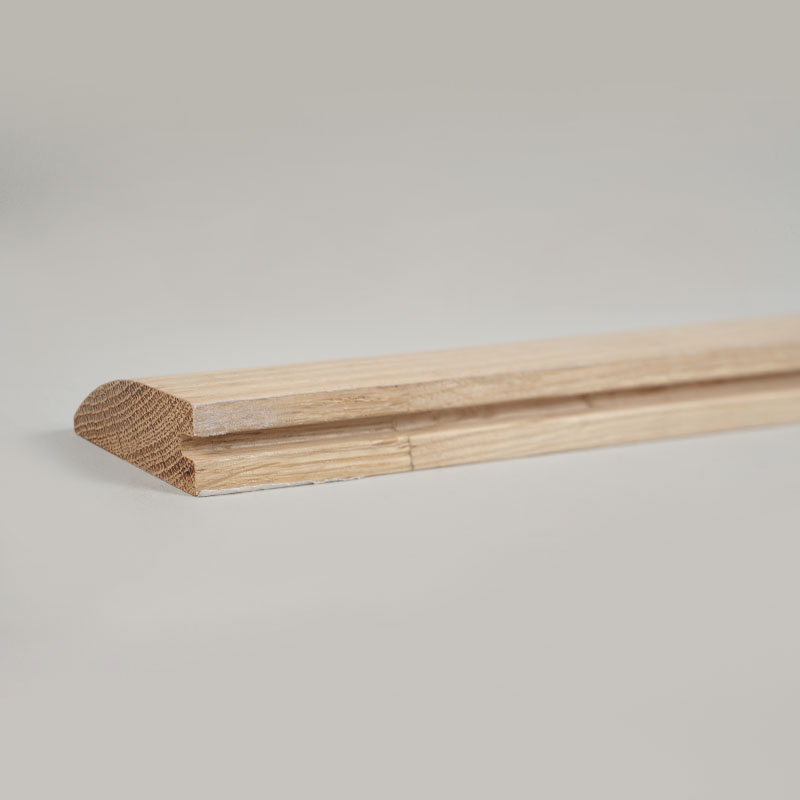
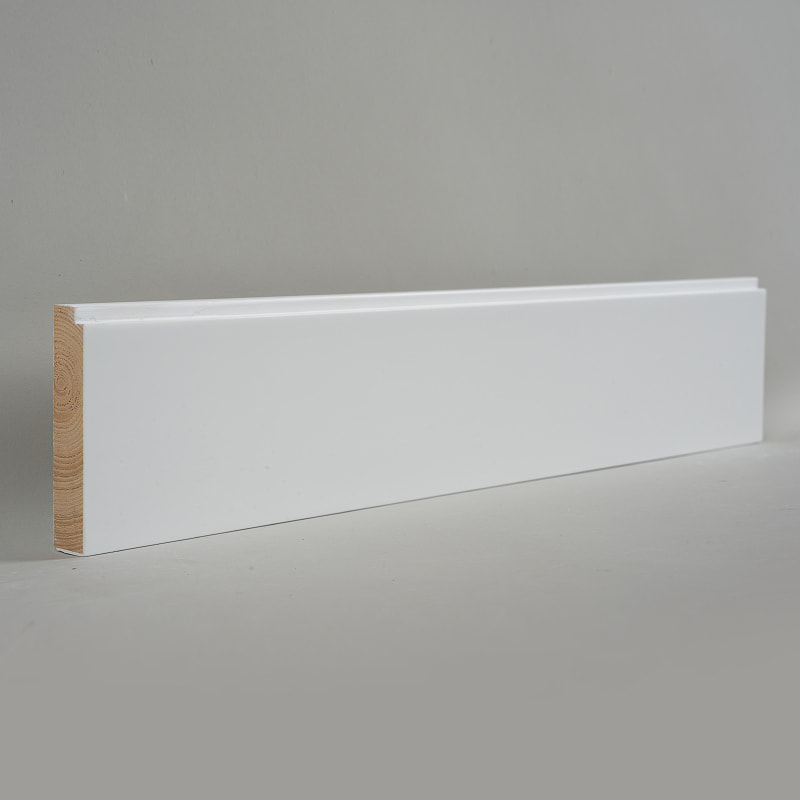
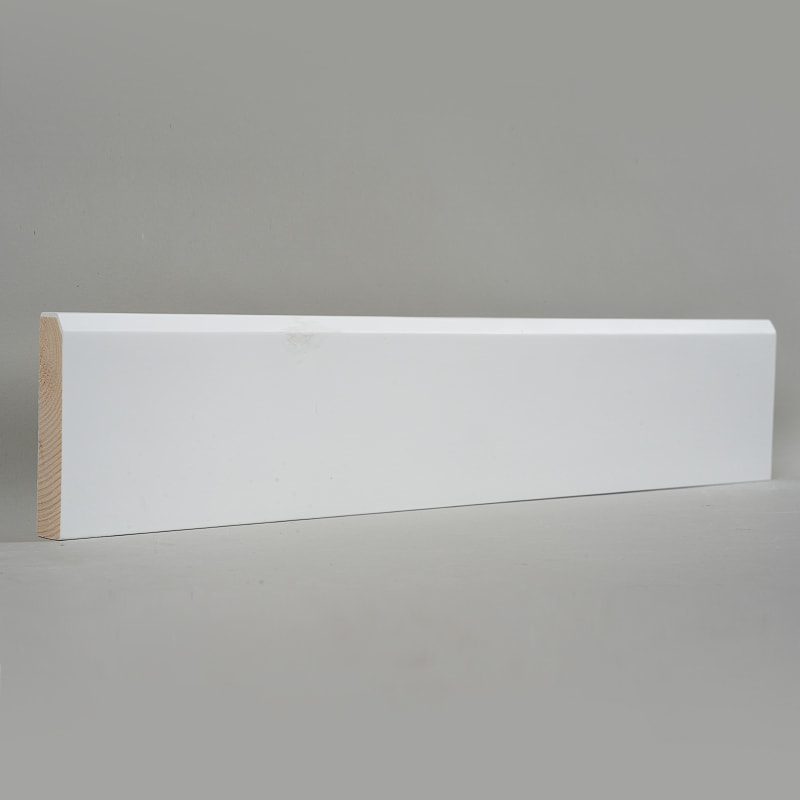
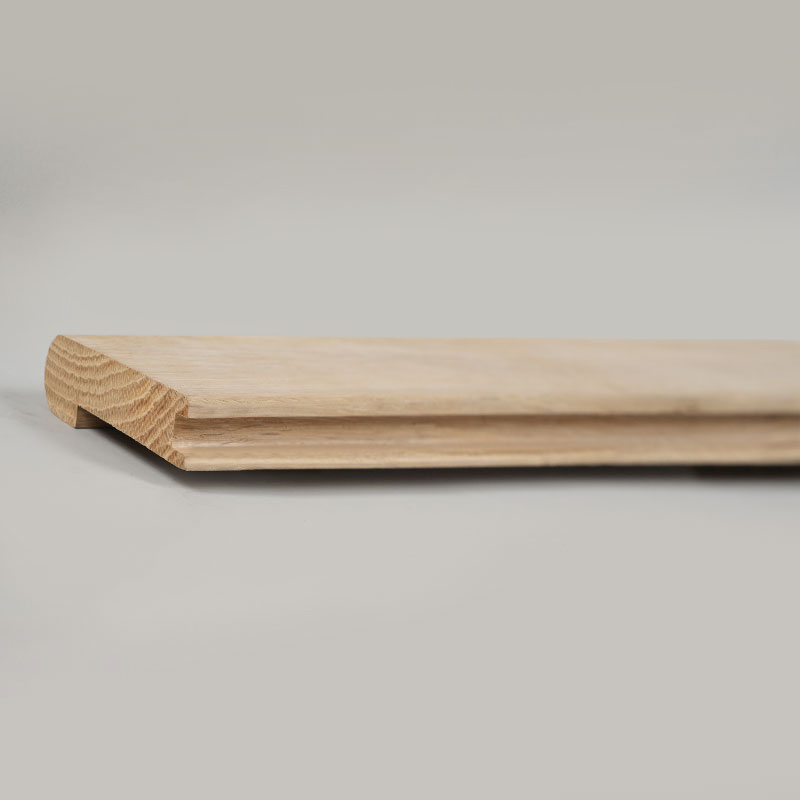
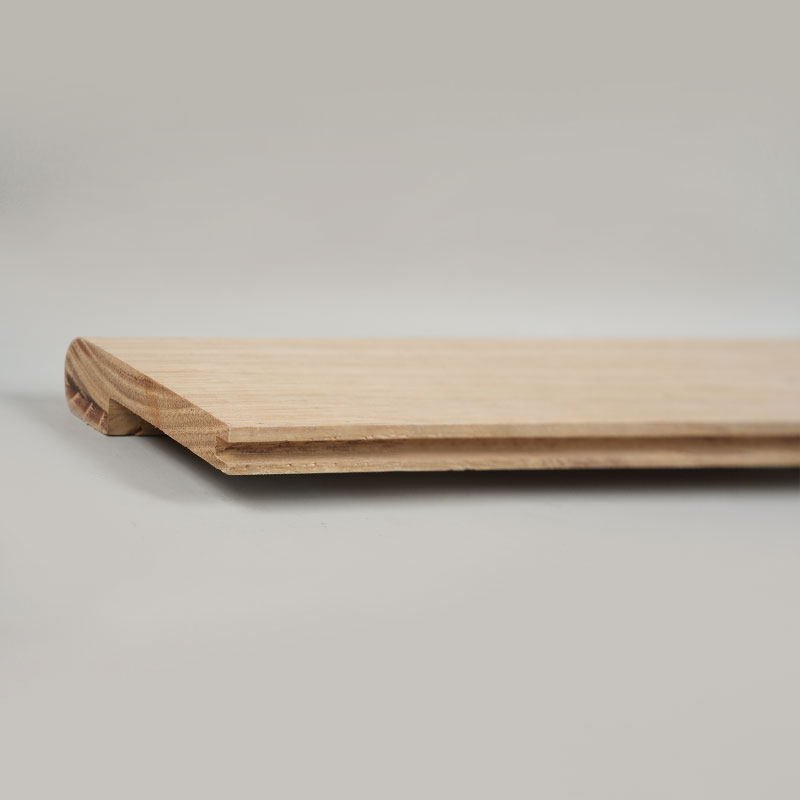
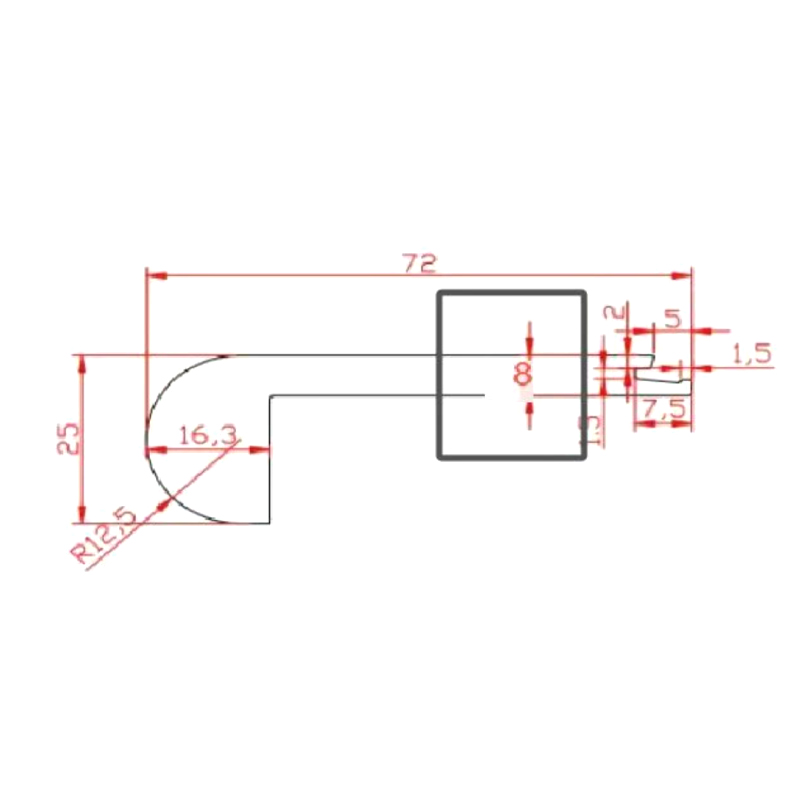






Oak stair nosings are functional and decorative components installed at the edge of each stair tread. They serve both aesthetic and practical purposes, improving the overall appearance of a staircase while enhancing safety and durability.
Enhancing Aesthetic Appeal
Natural Beauty
Oak is renowned for its warm tones, distinctive grain patterns, and natural elegance, making it a popular choice for interior design. Installing oak stair nosings can complement the staircase and surrounding décor.
Seamless Integration
Oak stair nosings can be finished to match the existing stair treads or flooring, creating a cohesive, polished look. Different finishes—such as natural, stained, or lacquered—allow designers to achieve the desired visual effect.
Customizable Designs
Oak nosings come in various profiles and edge shapes (rounded, beveled, or square) to suit different architectural styles, from modern minimalism to classic traditional designs.
Improving Functionality
Safety Enhancement
Stair nosings provide a defined edge, making each step more visible and reducing the risk of slips and falls. Anti-slip finishes or grooves can be added to increase traction.
Durability and Protection
The nosing protects the edge of the stair tread from wear and tear, extending the lifespan of the staircase. Oak’s hardness and resilience make it ideal for high-traffic areas.
Comfort and Ergonomics
Properly designed nosings can reduce the impact on feet and improve comfort when walking up or down stairs. Rounded or beveled edges also prevent injuries from sharp corners.
Versatility and Added Value
Oak stair nosings are compatible with a variety of flooring materials, including hardwood, laminate, and vinyl. Installing them not only elevates the staircase’s visual appeal but also adds value to the property by combining style with safety.
Oak stair nosings are more than decorative accents—they are practical solutions that enhance both the look and functionality of staircases. By choosing high-quality oak and appropriate finishes, homeowners and designers can achieve a staircase that is beautiful, safe, and long-lasting.
Choosing the Right Wood Stair Nose Molding for Different Stair Designs
1. Understanding the Purpose of Stair Nose Moldings
Wood stair nose molding, also known as stair nosing, is the finished edge that extends over the front of each stair tread. Its functions include:
- Enhancing safety by providing a non-slip edge.
- Protecting the stair edge from wear and damage.
- Improving the aesthetic transition between stair tread and riser.
Choosing the right molding is crucial to ensure both safety and visual appeal.
2. Matching Molding Profiles to Stair Types
Different stair designs require specific molding profiles:
- Straight Staircases: Most common in residential and commercial settings. Simple bullnose or rounded nosing profiles are often preferred for a clean and safe finish.
- Curved or Spiral Stairs: Require flexible or custom-cut moldings to follow the curve smoothly. Laminated or steam-bent wood moldings are ideal for tight radii.
- Open or Floating Stairs: Minimalist design favors thin, sleek nosings that complement the modern aesthetic. Flush nosing profiles work well without compromising safety.
- Commercial or High-Traffic Stairs: Tread edges must be reinforced, often using thicker or denser wood types. Non-slip strips or contrasting nosing colors can enhance visibility and safety.
3. Selecting the Right Wood Type
The wood species affects durability, finish options, and cost:
- Hardwoods (Oak, Maple, Cherry): Durable and resistant to wear, suitable for high-traffic areas.
- Softwoods (Pine, Fir): Easier to shape and more affordable, ideal for low-traffic or decorative stairs.
- Exotic Woods (Teak, Mahogany): Premium appearance with excellent durability, often used in luxury designs.
4. Considering Finish and Color
- Staining: Matches the stair tread for a uniform look.
- Contrasting Finish: Highlights the edge for both design appeal and safety.
- Protective Coating: Polyurethane or lacquer improves longevity, reduces slip, and resists wear.
5. Installation Tips
- Ensure the molding aligns precisely with the tread edge.
- Allow slight overhang (typically 3–5 mm) for proper coverage and safety.
- Pre-drill holes when nailing to avoid splitting wood.
- Use adhesives in combination with fasteners for secure installation on commercial stairs.
Selecting the right wood stair nose molding involves understanding stair design, choosing suitable profiles, wood types, and finishes. Proper installation not only enhances the stair’s safety and durability but also improves overall aesthetics. Whether for residential or commercial projects, thoughtful selection ensures your stairs are both functional and visually appealing.
