
 English
 Español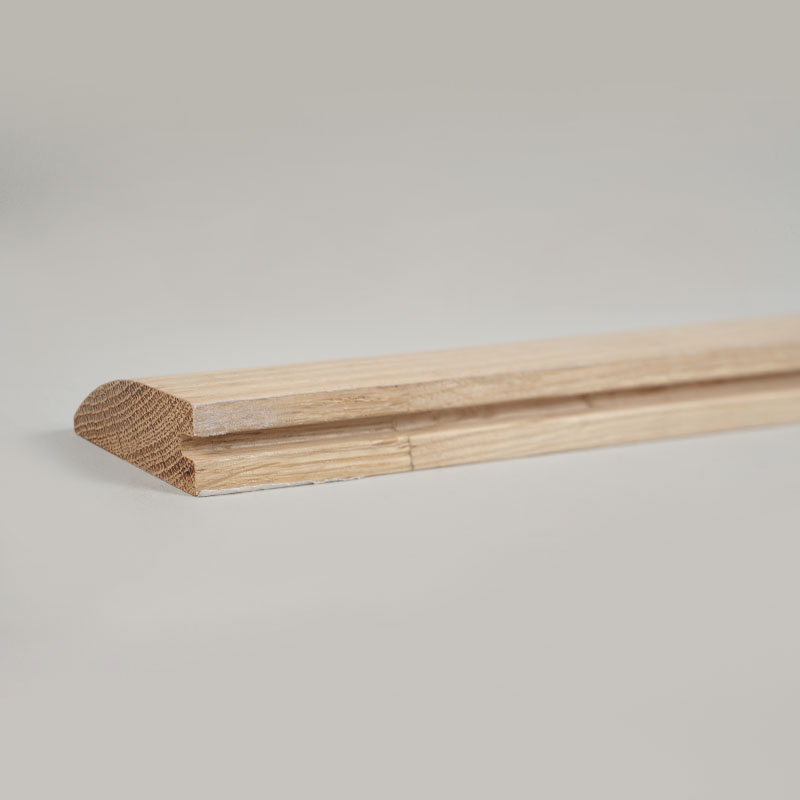
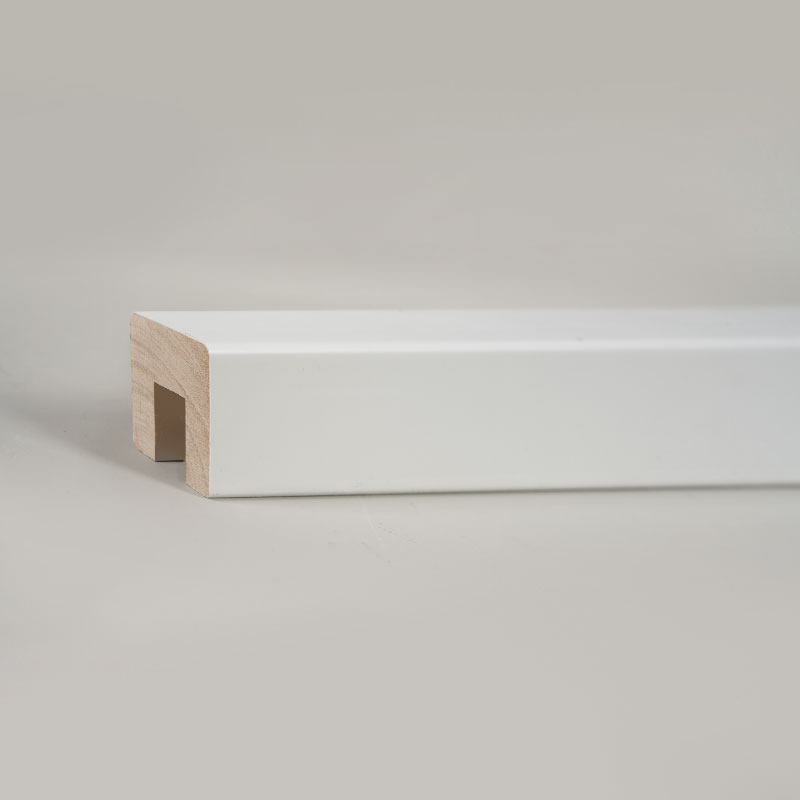
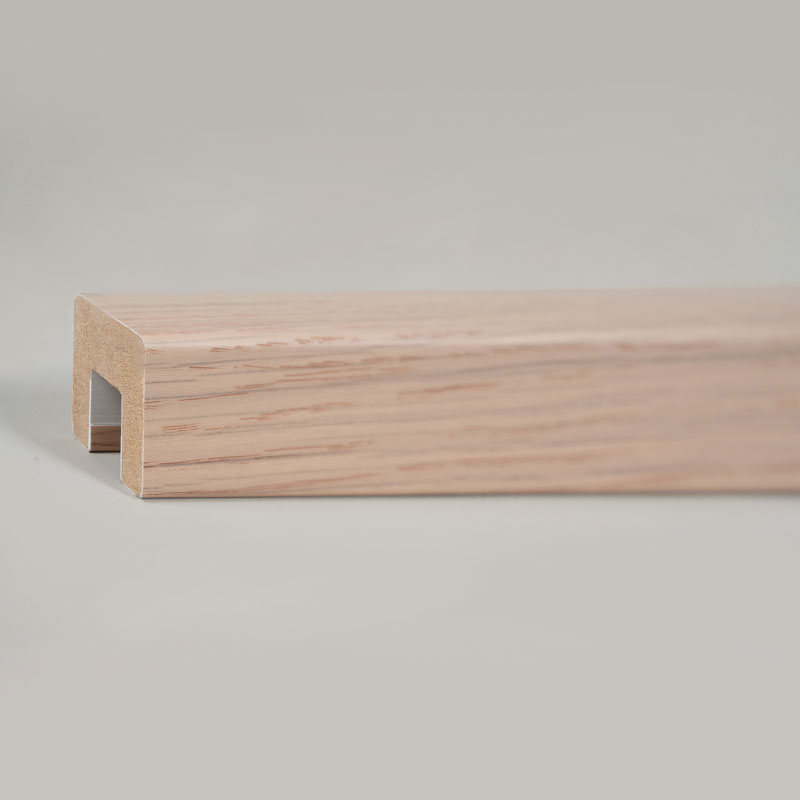
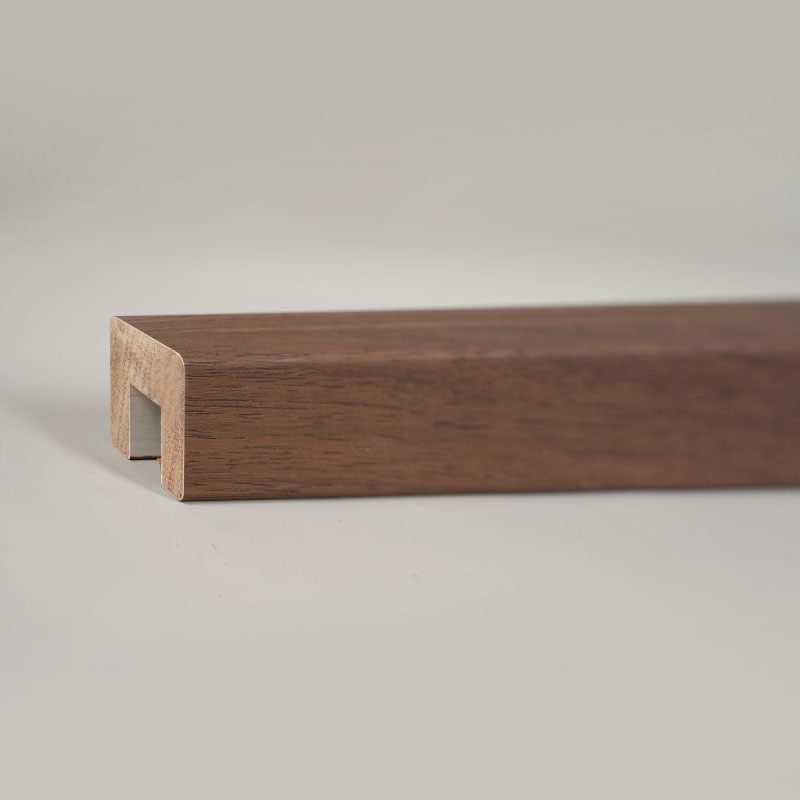




Comparing Different Types of Wood Used in Solid Wood Stair Handrails: Durability and Aesthetic Appeal
Introduction
Solid wood stair handrails are a crucial element in both residential and commercial interiors, providing safety, support, and a touch of elegance. Choosing the right type of wood not only affects the durability of the handrail but also its visual appeal and overall design harmony. This article explores the most commonly used woods for stair handrails and compares their properties in terms of strength, longevity, and aesthetics.
1. Oak
Oak is one of the most popular choices for stair handrails due to its exceptional hardness and durability. Its natural grain pattern offers a classic look, making it suitable for both traditional and modern interiors. White oak, in particular, is resistant to moisture and wear, making it ideal for high-traffic areas. While slightly more expensive than other hardwoods, oak provides long-term value and stability.
2. Maple
Maple is another hardwood option known for its strength and smooth texture. Its light, uniform color makes it highly adaptable to different finishes and stains, offering flexibility in design. Maple handrails are less prone to dents and scratches, making them a reliable choice for households with children or frequent use.
3. Cherry
Cherry wood is prized for its rich, warm tones that deepen over time. While slightly softer than oak or maple, cherry still offers sufficient durability for stair handrails. Its elegant appearance makes it a preferred choice for luxury homes or classic interior designs. Proper finishing and maintenance are recommended to protect cherry handrails from wear and fading.
4. Walnut
Walnut is known for its deep, dark color and striking grain patterns, offering a sophisticated aesthetic. It is strong and durable, though slightly softer than oak, which means it can show minor dents over time. Walnut handrails work well in high-end interiors where visual impact and design refinement are priorities.
5. Beech
Beech is a durable and relatively affordable hardwood, often used in both traditional and contemporary stair designs. It has a light color and fine grain that takes stains well, making it versatile for different décor styles. Beech is resistant to wear but can be more sensitive to moisture, so proper sealing is essential.
Conclusion
When selecting a wood type for solid wood stair handrails, both durability and aesthetic appeal should guide the decision. Oak and maple excel in long-term strength and wear resistance, while cherry and walnut provide luxurious appearance and design elegance. Beech offers a balance of affordability and adaptability. Ultimately, the choice depends on the intended style, usage, and maintenance expectations of the space.
Tips for Longevity
- Regularly clean handrails to prevent dirt buildup.
- Apply protective finishes such as varnish or oil to enhance durability.
- Avoid excessive moisture exposure to prevent warping or cracking.
- Inspect handrails periodically for signs of wear or damage.
Finishing Techniques for Solid Wood Stair Handrails: Protecting and Enhancing Natural Beauty
Introduction
Solid wood stair handrails are not only functional but also a prominent design element in homes and commercial spaces. Proper finishing techniques are crucial to protect the wood from wear, moisture, and environmental factors, while enhancing its natural beauty. Huzhou Huicheng Home Technology Co., Ltd., with over 20 years of expertise in wooden products manufacturing, employs advanced finishing technologies to ensure long-lasting quality and aesthetic appeal for its solid wood stair handrails.
Key Finishing Techniques
1. Varnishing
Varnishing is a traditional method that provides a protective coating on the handrail surface. It enhances durability against scratches and moisture, while giving the wood a glossy or semi-glossy finish. Modern UV varnishing, as applied by Huzhou Huicheng Home Technology Co., Ltd., allows for faster drying and higher resistance to wear.
2. Oil Finishing
Oil finishing penetrates deeply into the wood, highlighting the natural grain and color while providing protection. This technique maintains a natural look and is ideal for those who prefer a matte or satin finish. Regular maintenance is recommended to retain the protective qualities.
3. Staining
Staining can change or enrich the wood’s color, allowing for customization to match interior décor. It is often combined with varnishing or oil finishing to achieve both aesthetic appeal and protection.
4. UV Coating
UV coating involves applying a liquid finish and curing it under ultraviolet light. This method produces a highly durable surface resistant to scratches, fading, and moisture. Huzhou Huicheng Home Technology Co., Ltd. employs advanced UV vacuum spraying lines to achieve uniform and high-quality finishes for both standard and customized handrails.
5. 3D Printed or Decorative Coatings
For specialized designs, decorative coatings and 3D printed textures can be applied to handrails. These techniques add unique visual appeal while retaining durability and functionality.
Typical Parameters of Finished Solid Wood Handrails
| Parameter | Specification |
|---|---|
| Wood Type | Oak, Maple, Walnut, Cherry, Beech |
| Finish Type | UV Varnish, Oil, Stain, Matte, Satin |
| Surface Hardness | 6–8 H (pencil hardness equivalent) |
| Moisture Resistance | Up to 12–15% relative humidity exposure without damage |
| Gloss Level | Matte, Semi-Gloss, Gloss |
| Durability | 5–10 years with proper maintenance |
Conclusion
Selecting the right finishing technique is essential to preserve the natural beauty of solid wood stair handrails while ensuring durability. Techniques such as varnishing, oil finishing, staining, and UV coating provide different benefits depending on the intended look and usage. With advanced technology and craftsmanship, Huzhou Huicheng Home Technology Co., Ltd. consistently delivers high-quality finished handrails that meet both domestic and international standards. By understanding the properties and finishing options, homeowners and designers can make informed choices to enhance both functionality and aesthetics.
