
 English
 Español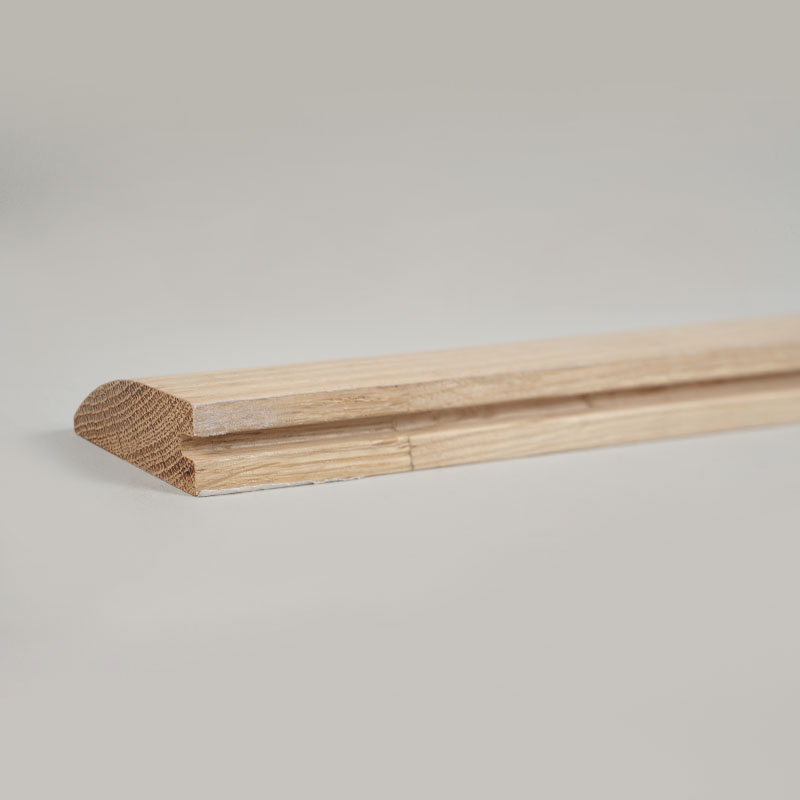
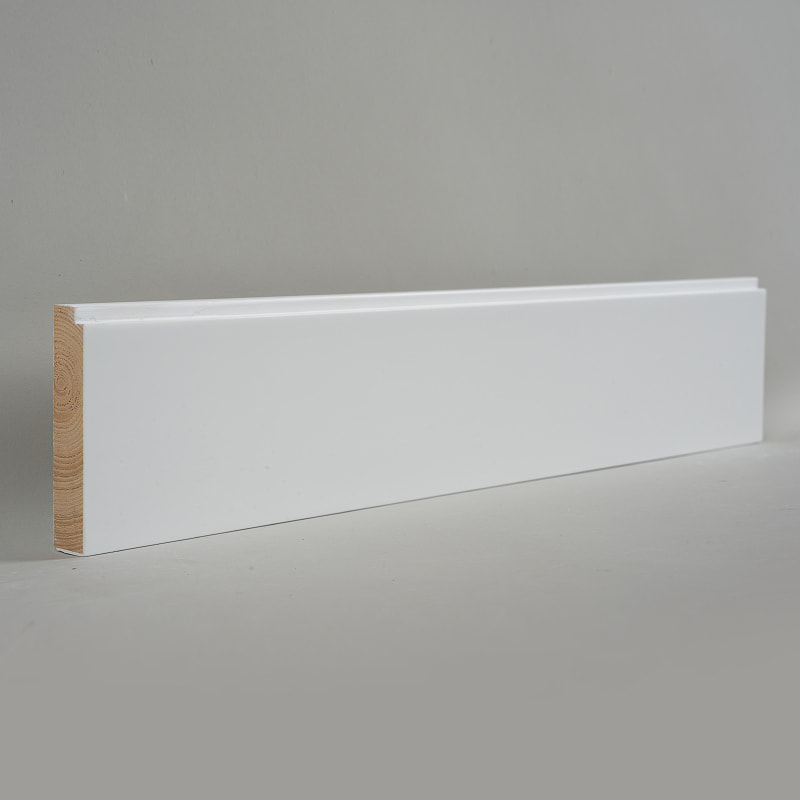
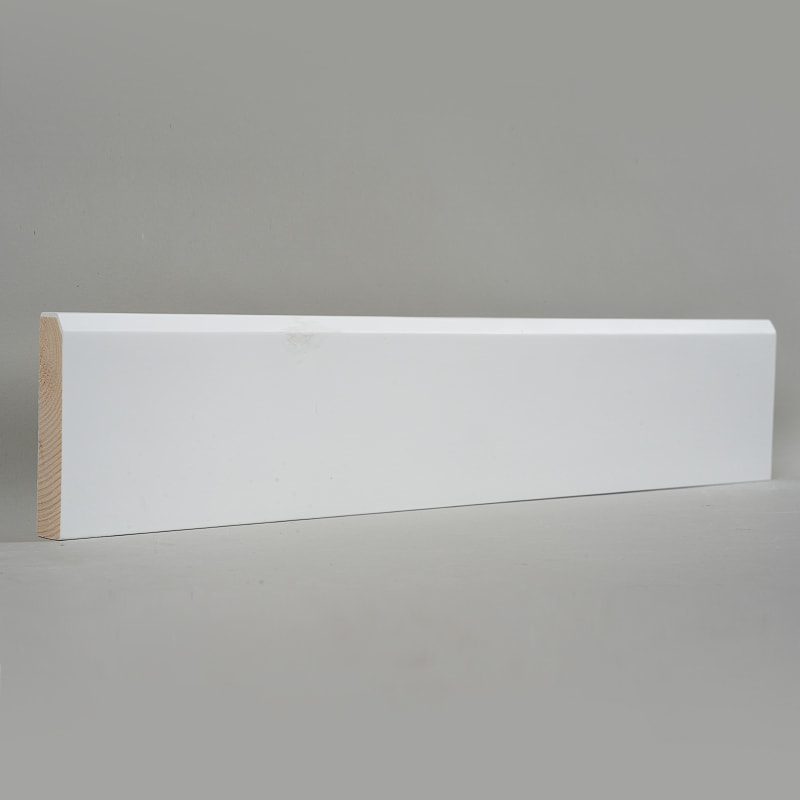
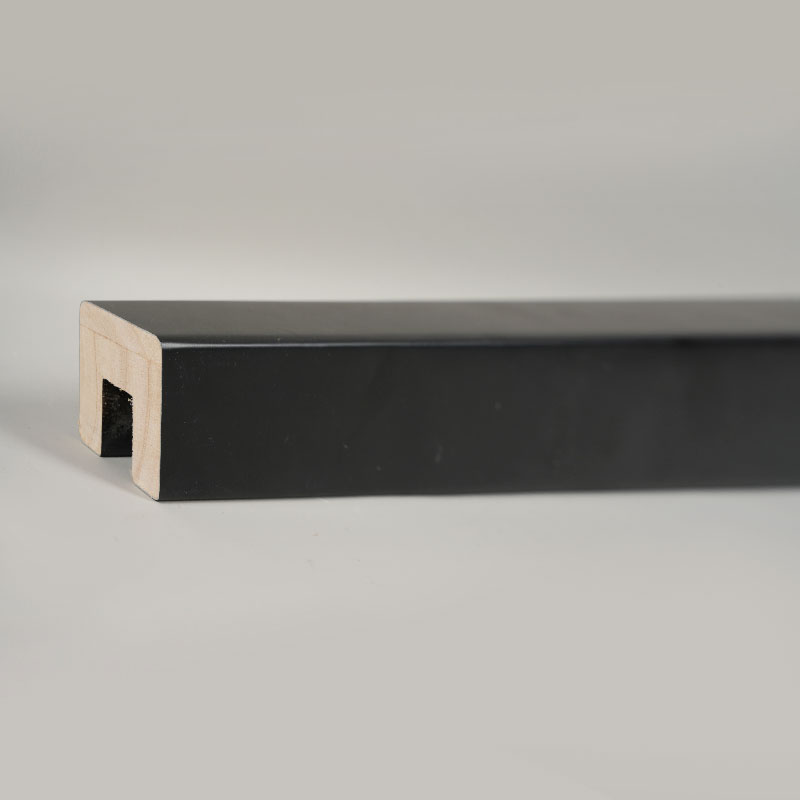
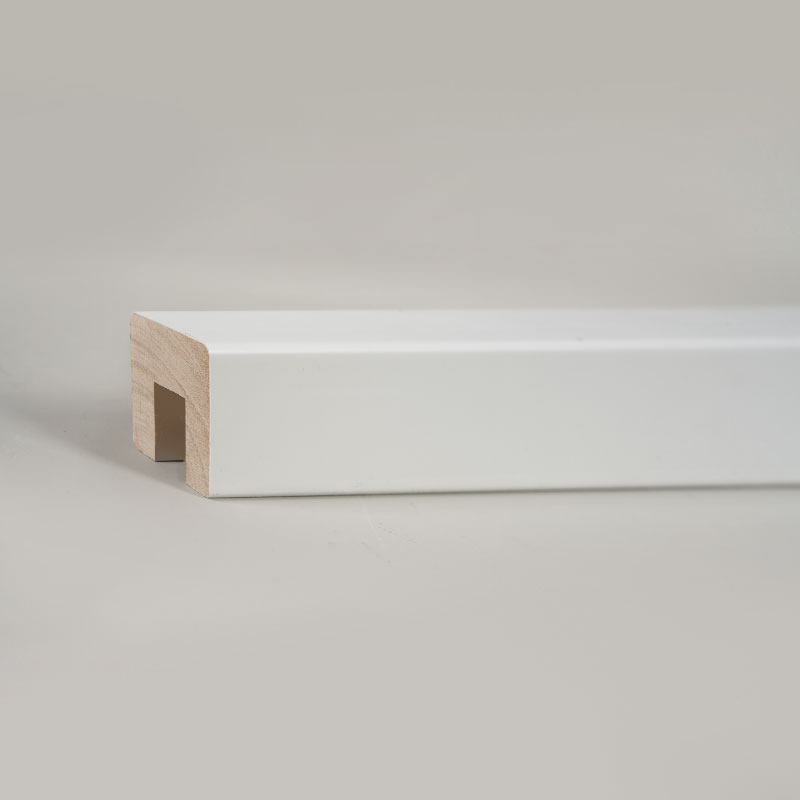
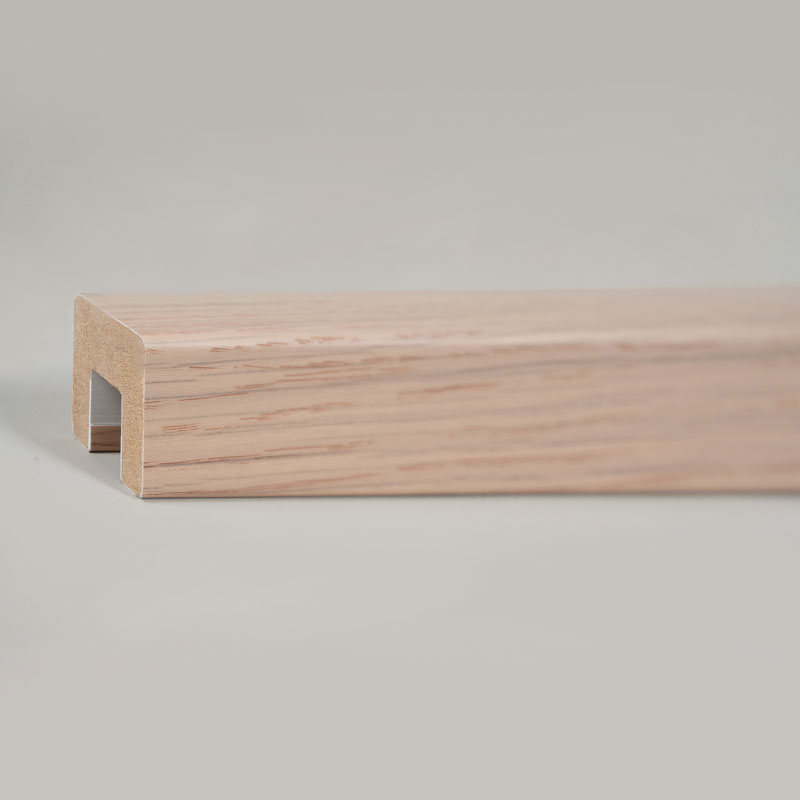
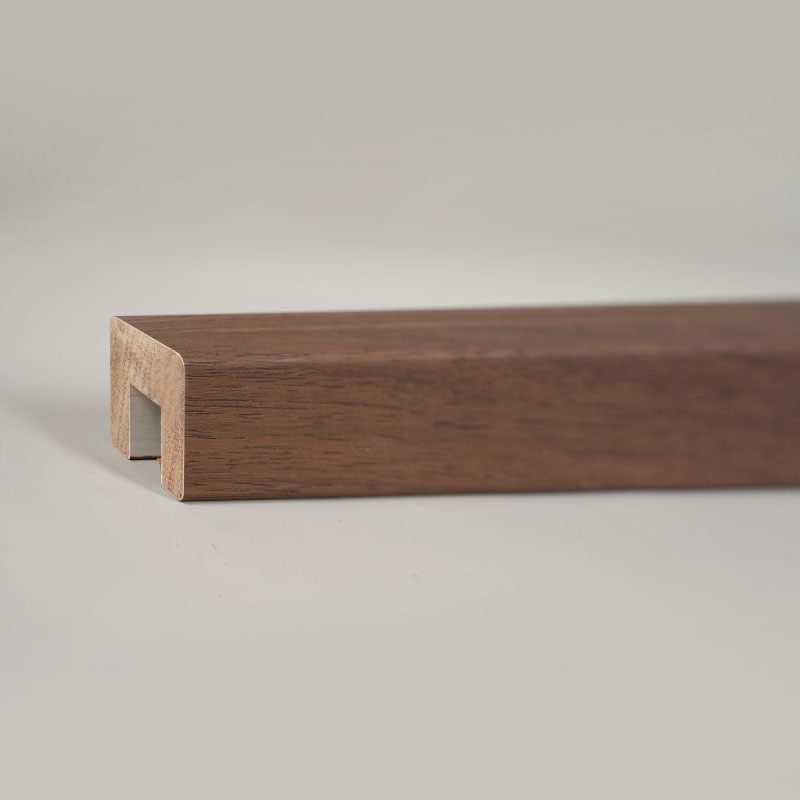






Indoor stair railings are more than just functional components—they play a crucial role in ensuring safety while also enhancing the overall interior design. Selecting the right railing design requires balancing aesthetics, durability, and compliance with safety standards.
Safety Considerations
1. Height and Spacing
Proper railing height and spacing between balusters are critical for preventing falls. Industry standards often dictate a minimum height of 34–38 inches for residential stairs, with gaps no wider than 4 inches to protect children and pets.
2. Material Strength and Durability
Materials like stainless steel, wrought iron, and tempered glass are commonly used for their strength and longevity. Choosing robust materials ensures the railing can withstand impact and frequent use without compromising safety.
3. Hand Grip and Ergonomics
Railing designs should allow a secure grip for users of all ages. Rounded or oval handrails are preferred for comfort and to reduce the risk of slipping.
Aesthetic Considerations
1. Style Matching
The railing design should complement the interior décor. Modern homes may favor minimalist metal or glass railings, while traditional settings might use wood with decorative elements.
2. Visual Impact and Transparency
Glass or cable railings can make a space appear more open and airy, whereas solid wood or metal railings create a more substantial, classic feel. The choice affects the perception of space and light distribution in the interior.
3. Customization and Finishes
Finishes such as powder coating, staining, or anodizing allow customization to match color schemes and textures. These details enhance the visual appeal while maintaining durability.
Conclusion
Effective indoor stair railing design balances safety requirements with aesthetic considerations. By carefully selecting materials, adhering to ergonomic standards, and considering style and finishes, homeowners and designers can achieve railings that are both secure and visually appealing.
Trends in Wooden Stair Handrails: Combining Aesthetics with Functionality
Wooden stair handrails have long been a staple in interior design, valued for their natural beauty, durability, and tactile warmth. As both a functional safety feature and a design element, handrails play a crucial role in the overall look and feel of residential and commercial spaces. Recent trends in the industry highlight how manufacturers and designers are merging aesthetics with functionality to meet evolving consumer preferences.
1. Emphasis on Minimalist and Sleek Designs
Modern interiors favor clean lines and understated elegance. Wooden stair handrails are increasingly designed with minimalist profiles, often paired with metal or glass balusters to create a sense of openness. This trend caters to contemporary architectural styles while maintaining structural integrity and safety.
2. Use of Sustainable and Engineered Woods
Sustainability has become a key consideration in material selection. Engineered wood, reclaimed timber, and sustainably sourced hardwoods are gaining popularity for handrails. These materials not only reduce environmental impact but also offer enhanced durability and resistance to warping, ensuring long-term performance.
3. Integration of Ergonomic Features
Functionality remains paramount. Ergonomic designs that provide comfortable grip and meet building safety codes are becoming standard. Rounded edges, appropriate rail heights, and anti-slip finishes are incorporated to ensure user safety without compromising visual appeal.
4. Customization and Personalization
Homeowners and designers increasingly seek handrails that reflect their unique style. Custom carvings, stains, or wood finishes allow handrails to complement interior themes, from rustic and traditional to ultra-modern aesthetics. This trend has led manufacturers to offer more bespoke solutions tailored to client specifications.
5. Combination with Other Materials
Blending wood with materials such as steel, glass, or acrylic adds visual interest and reinforces structural support. This hybrid approach allows designers to experiment with contrasting textures, colors, and transparency, resulting in handrails that are both functional and eye-catching.
6. Focus on Low-Maintenance Finishes
Durability and ease of maintenance are increasingly important. Modern coatings and sealants protect wooden handrails from moisture, scratches, and daily wear, reducing the need for frequent upkeep while preserving their natural beauty.
The trend in wooden stair handrails reflects a harmonious balance between aesthetics and functionality. As interior design continues to evolve, manufacturers are focusing on innovative designs, sustainable materials, ergonomic safety, and customizable finishes. For architects, interior designers, and builders, staying informed about these trends ensures the creation of spaces that are both visually appealing and practically safe.
How to Ensure Safety and Compliance in Interior Wood Stair Railing Installations
1. Understand Local Building Codes and Regulations
Before installing interior wood stair railings, it is essential to familiarize yourself with local building codes and safety standards. Regulations often specify requirements such as railing height, spacing between balusters, and load-bearing capacity to prevent accidents.
2. Choose Durable and High-Quality Materials
Selecting the right type of wood is crucial for both safety and longevity. Hardwoods like oak, maple, or walnut are preferred due to their strength and resistance to wear. Properly treated and finished wood also helps prevent warping and deterioration over time.
3. Proper Design and Structural Integrity
Ensure that the railing design supports the expected load and provides stability. All components, including handrails, balusters, and posts, should be securely fastened and aligned according to professional installation guidelines.
4. Professional Installation
Hiring experienced installers can minimize errors that could compromise safety. Professionals are familiar with the correct anchoring techniques and alignment procedures to meet compliance standards.
5. Regular Inspection and Maintenance
Safety is an ongoing responsibility. Regularly inspect your interior wood stair railings for signs of wear, loose fittings, or damage. Prompt maintenance and timely repairs ensure that railings remain safe and compliant over time.
