
 English
 Español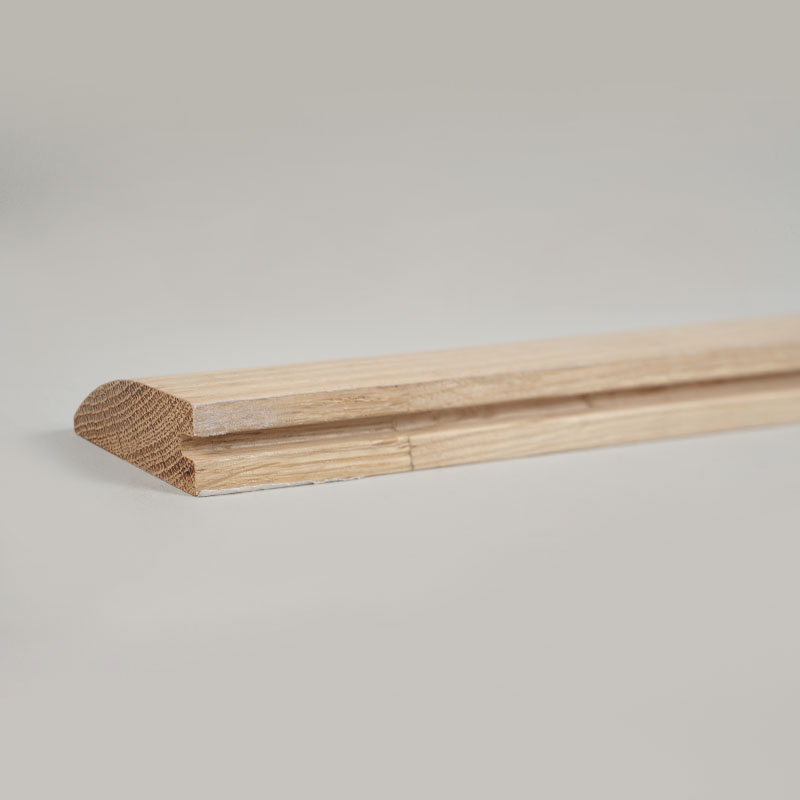
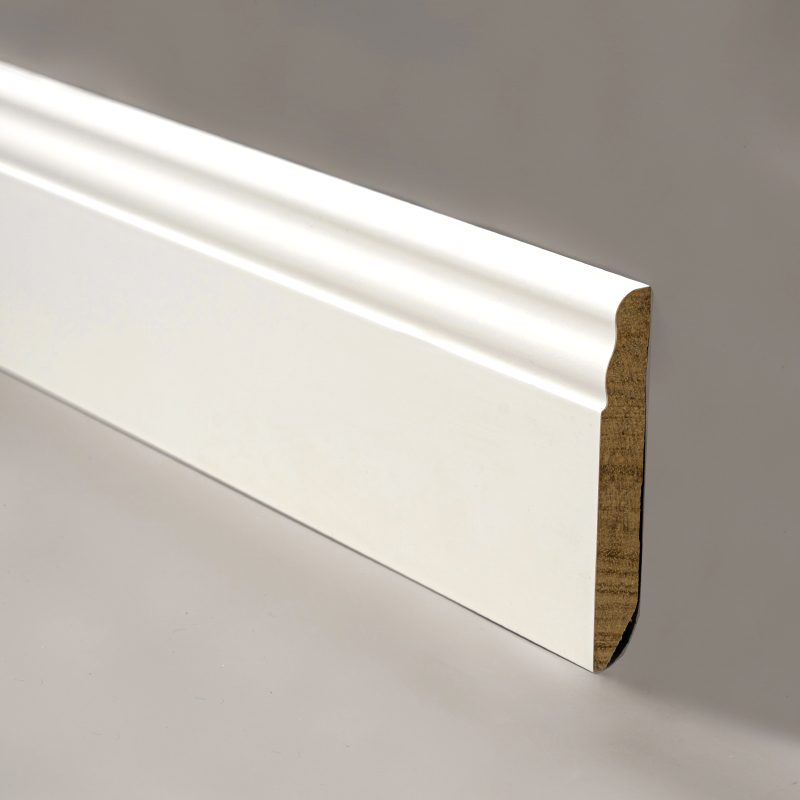
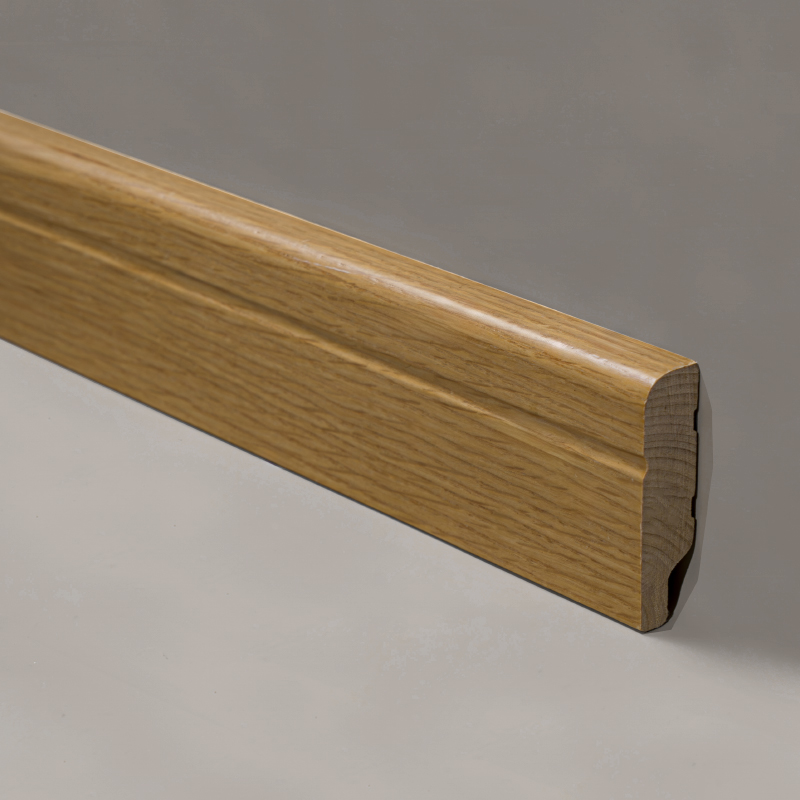
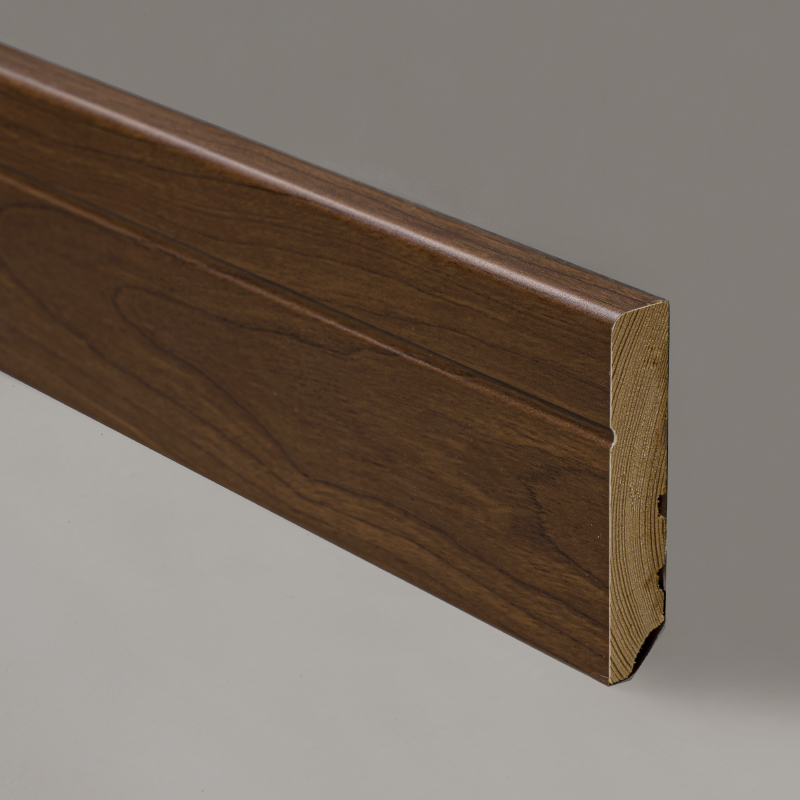


How do painted & paint-free skirting board/baseboard perform in high-moisture areas like bathrooms?
Bathrooms present unique challenges for interior finishes due to their high humidity, frequent water exposure, and temperature fluctuations. Choosing the right materials for wall protection and decoration is essential to maintain both aesthetic quality and long-term durability. painted & paint-free skirting board/baseboard are increasingly used in modern bathrooms for their functional and decorative properties.
Understanding painted & paint-free skirting board/baseboard
What is painted & paint-free skirting board/baseboard?
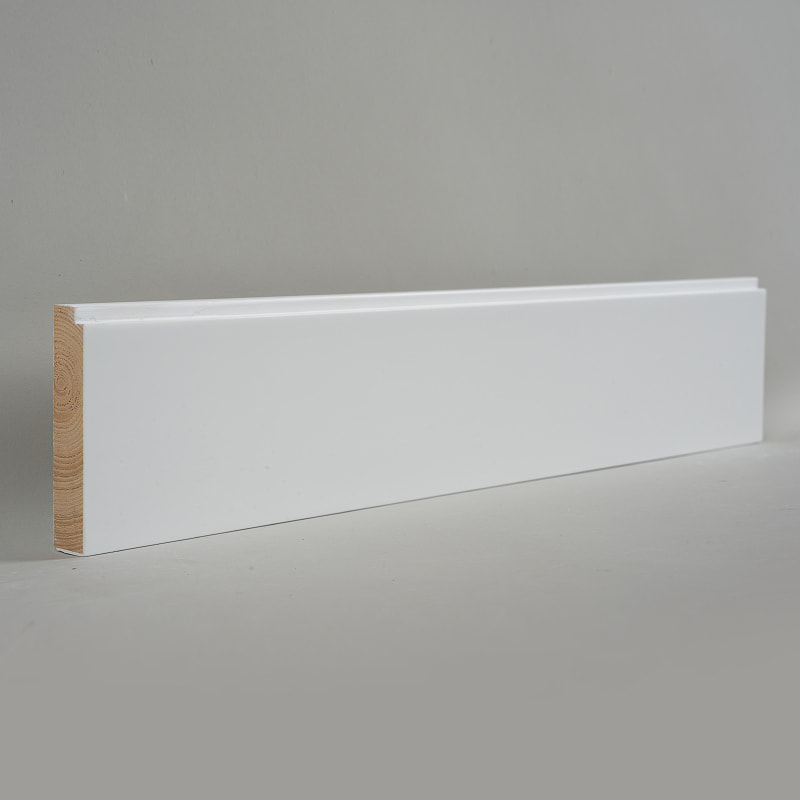
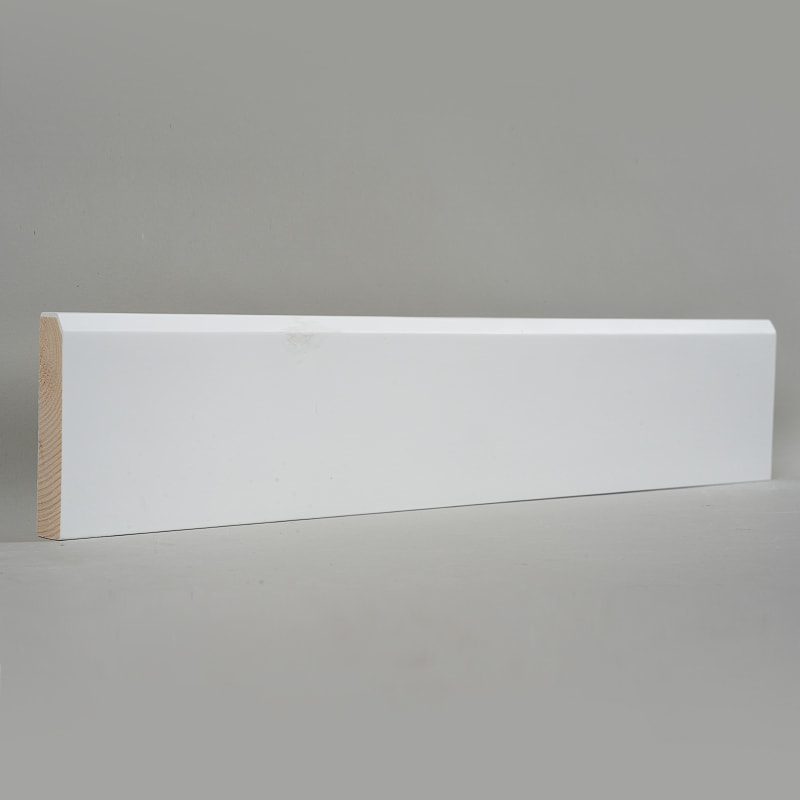
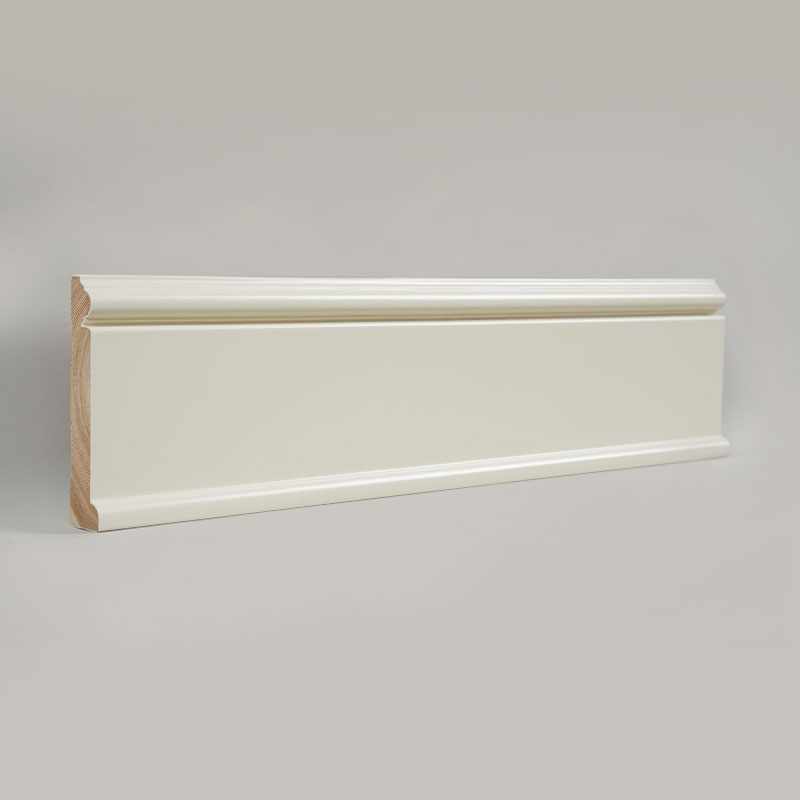
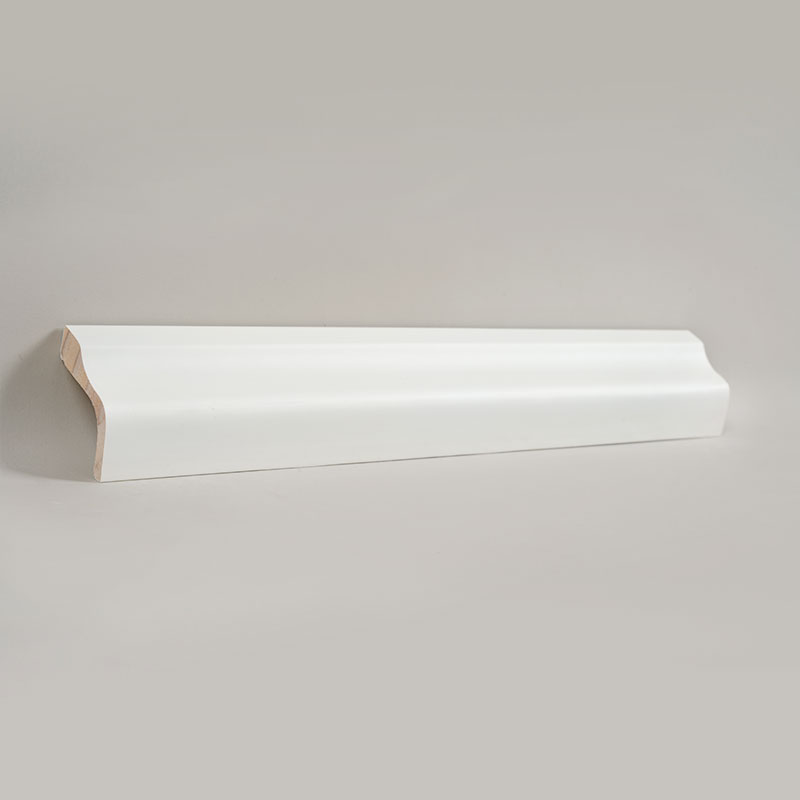
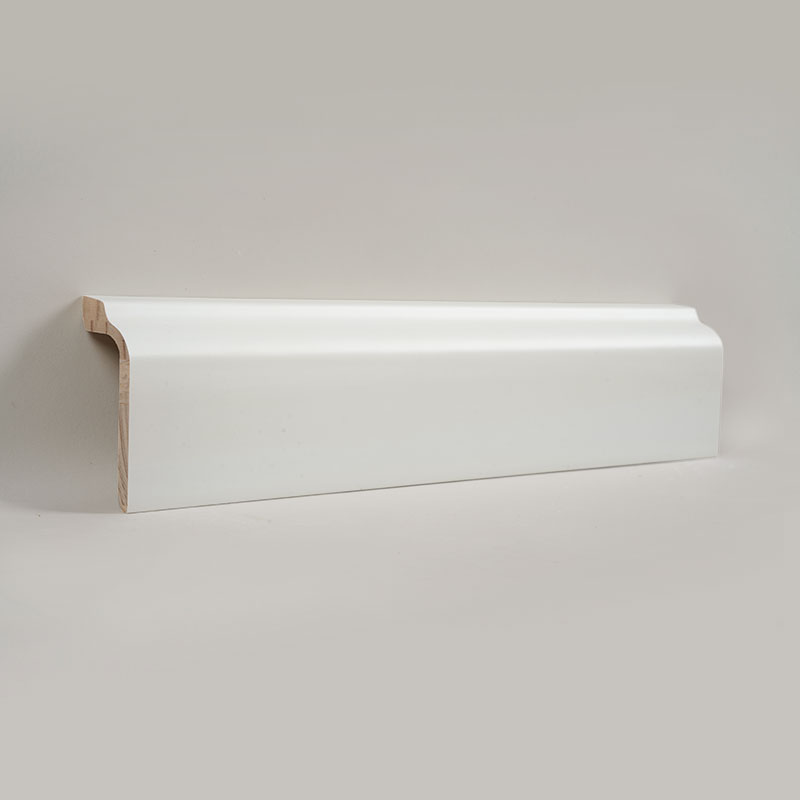
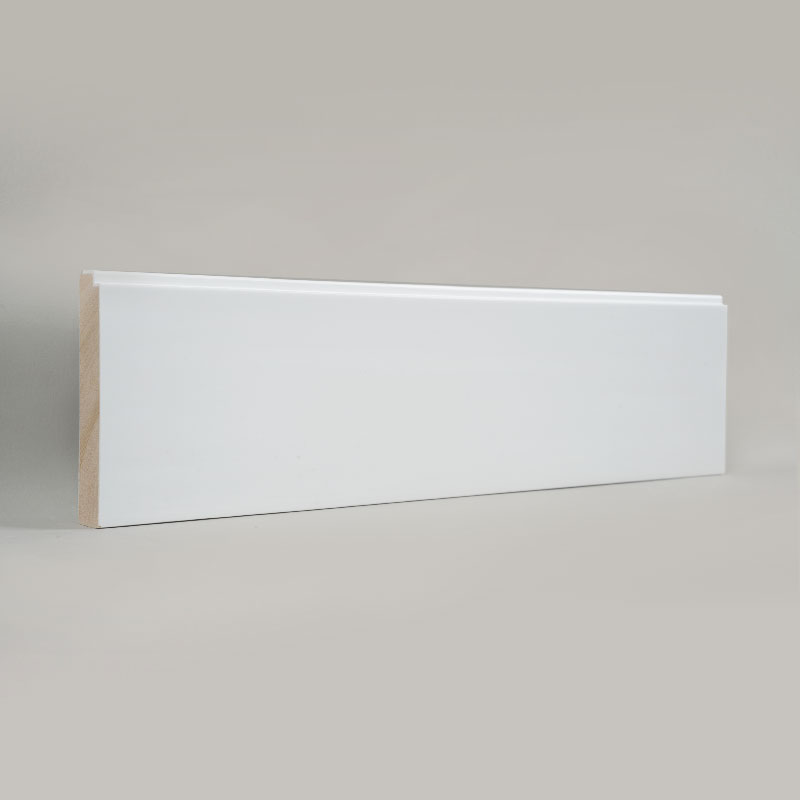
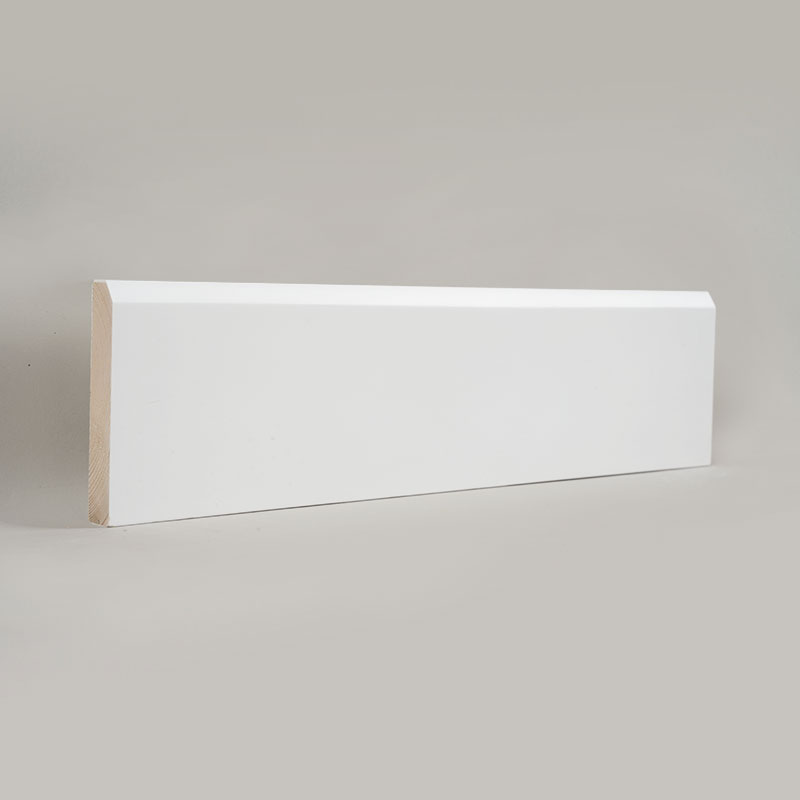
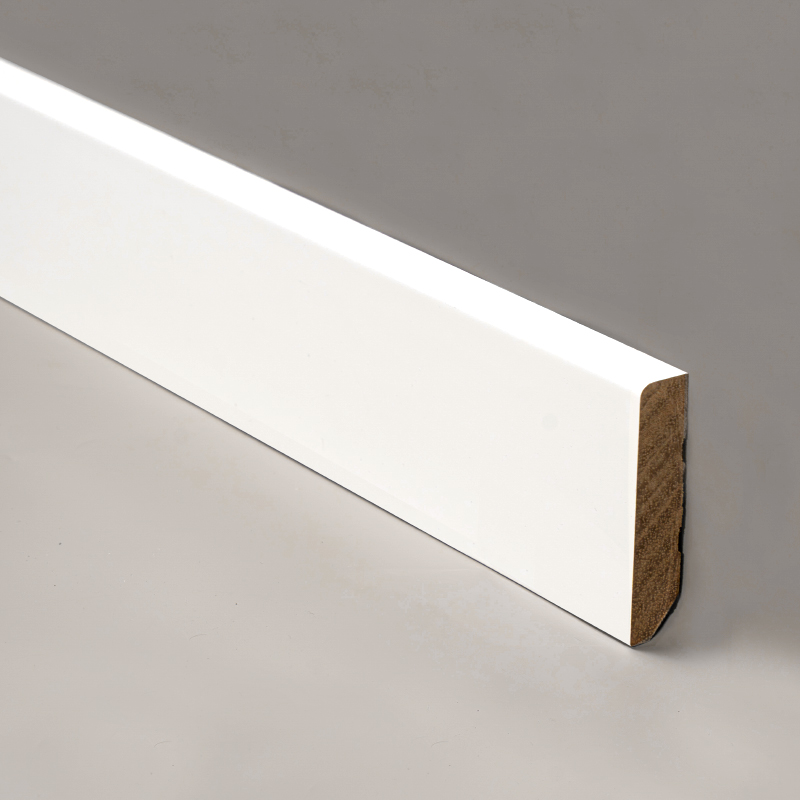
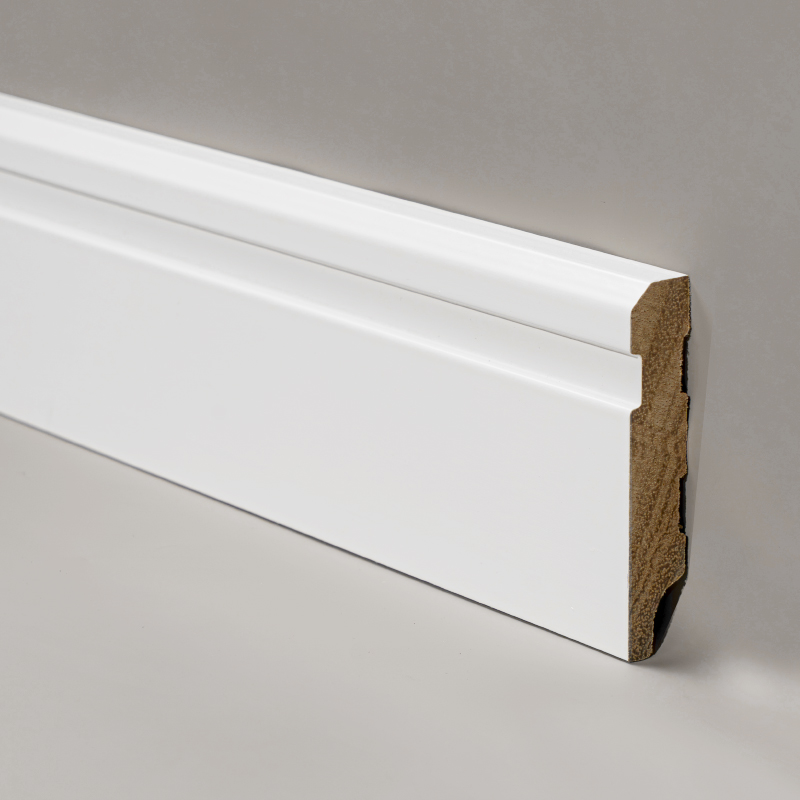
Painted & paint-free skirting board/baseboard are interior moldings designed to cover the joint between walls and floors while protecting walls from impact, moisture, and wear. Painted skirting boards typically use substrates such as density board or solid wood. After precision machining and shaping, the surface is coated with multiple layers of primer and topcoat. This coating forms a dense, smooth, and durable protective layer, providing both color variety and resistance to environmental factors.
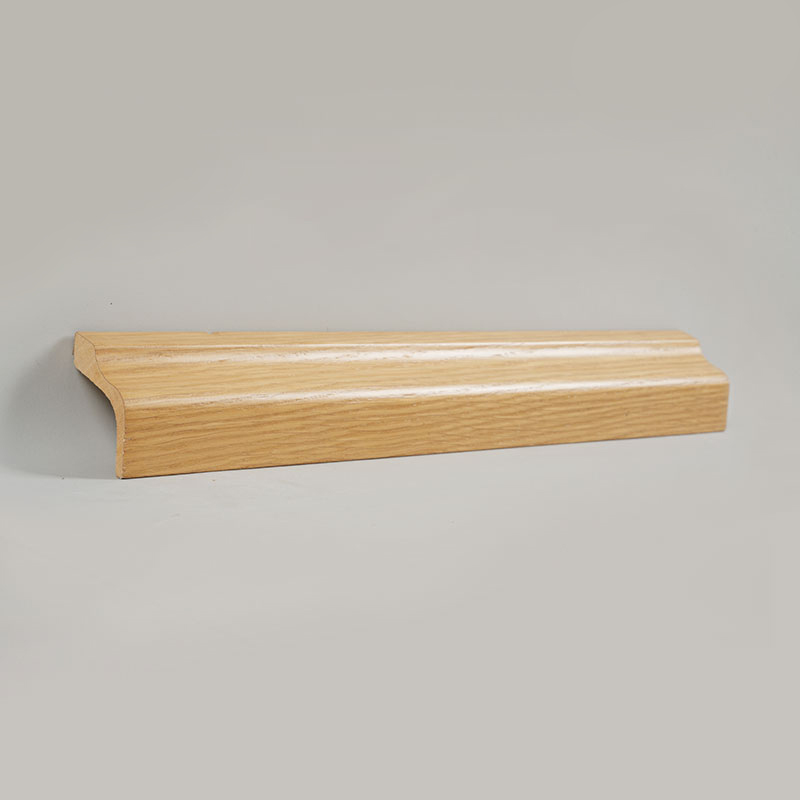
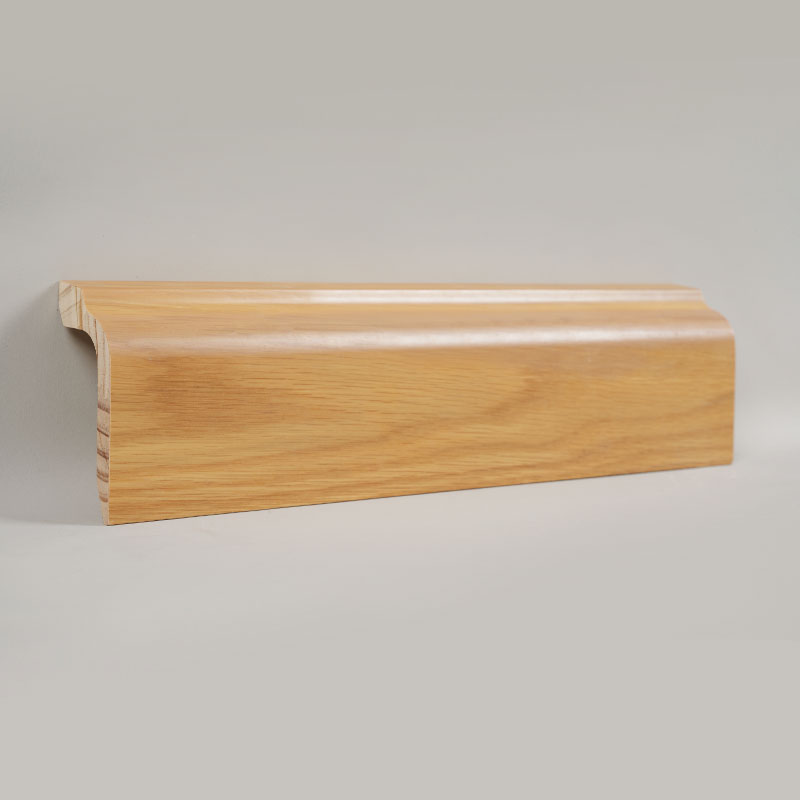
In contrast, paint-free skirting boards generally rely on the natural finish of the material or specialized coatings that do not require additional paint. These options highlight the material’s natural texture and are often favored for minimalist or eco-conscious interiors.
Core functions in high-moisture areas
In bathrooms, painted & paint-free skirting board/baseboard serve three primary functions:
- Moisture protection – By sealing the base of the wall, skirting boards help prevent water from seeping into the wall or floor joint, reducing the risk of mold, swelling, or structural damage.
- Impact resistance – Bathrooms experience frequent movement of objects and foot traffic. Skirting boards provide a durable barrier that protects walls from scratches, dents, and scuffs.
- Aesthetic enhancement – Beyond protection, skirting boards provide a clean, continuous line that enhances the visual appeal of bathrooms, especially when combined with tiles, vinyl, or wood flooring.
painted & paint-free skirting board/baseboard integrate seamlessly into modern bathroom designs, offering both functional and decorative benefits.
Material performance in high-moisture environments
Water resistance and durability
The performance of painted & paint-free skirting board/baseboard in bathrooms largely depends on the material and surface finish. Painted skirting boards with multiple coats of primer and topcoat provide a dense, impermeable layer that prevents water absorption. High-quality coatings create a hydrophobic surface that minimizes swelling or warping caused by humidity.
Paint-free options, often made of PVC, treated MDF, or solid wood with moisture-resistant treatments, rely on the inherent properties of the material rather than surface coatings. Water-resistant MDF or engineered wood cores combined with laminate or veneer finishes can achieve similar performance levels as painted skirting boards, though careful selection is essential.
Comparative durability
| Feature | Painted Skirting Board | Paint-free Skirting Board |
|---|---|---|
| Surface protection | High, multiple primer and topcoat layers | Moderate, depends on material treatment |
| Water resistance | Excellent | Good, varies by core material |
| Maintenance | Easy to clean, resists stains | Easy but may require gentle cleaning to avoid discoloration |
| Longevity in bathrooms | 10+ years with proper installation | 8–12 years depending on material quality |
Resistance to temperature and humidity fluctuations
Bathrooms often experience rapid temperature changes due to hot showers or baths. These fluctuations can cause expansion and contraction in skirting board materials. Painted surfaces are particularly effective at mitigating minor distortions because the coating forms a stable barrier. Painted & paint-free skirting board/baseboard designed for moisture-prone environments are engineered to accommodate slight movements without cracking or delaminating.
Paint-free skirting boards using composite materials or treated solid wood require careful installation to ensure gaps are sealed, as unprotected edges may absorb moisture and compromise durability.
Installation considerations for high-moisture areas
Substrate preparation and fixing methods
Proper installation is critical to the performance of painted & paint-free skirting board/baseboard in bathrooms. Walls and floors should be dry, level, and free from dust before installation. Adhesives or mechanical fasteners must be compatible with both the wall material and the skirting board substrate.
For painted skirting boards, edges should be sealed with silicone or waterproof caulk to create a continuous moisture barrier. Paint-free boards may require additional primers or sealants on cut ends to prevent water ingress.
Expansion gaps and joint sealing
Bathrooms require allowance for thermal expansion. Installing skirting boards too tightly can cause warping or buckling under high humidity. Properly planned expansion gaps combined with waterproof sealant ensure that skirting boards maintain their shape and alignment over time.
Moreover, corner joints and intersections with door frames must be carefully mitered and sealed to prevent water infiltration. Using quality sealants compatible with the board material is essential for long-term performance.
Maintenance and cleaning
Routine cleaning
One of the advantages of painted & paint-free skirting board/baseboard is ease of maintenance. Painted surfaces resist stains and can be wiped clean with mild detergents. Paint-free options, depending on the material, may require softer cloths or non-abrasive cleaners to maintain their appearance.
Regular cleaning prevents the accumulation of soap scum, mold, or mildew along the base of bathroom walls. Maintaining a clean surface also preserves the decorative finish and extends the life of the product.
Preventing mold and mildew
Moisture accumulation at wall bases is the primary cause of mold growth. Selecting painted & paint-free skirting board/baseboard with water-resistant properties and properly sealing all joints reduces this risk. Ventilation in the bathroom, combined with routine cleaning, is necessary to ensure that the skirting boards continue to perform well.
Customization and design options
Color and finish selection
Painted skirting boards offer a wide range of color choices and can match any interior scheme. Modern UV vacuum spraying or multi-layer coating technologies allow for smooth, even finishes that are resistant to moisture, scratches, and daily wear.
Paint-free skirting boards, while limited in color variety, offer natural wood tones or textured finishes that appeal to minimalist designs. Both types can be tailored to specific bathroom styles, including contemporary, classic, or Scandinavian aesthetics.
Size and profile considerations
The width, thickness, and profile of skirting boards impact both functionality and aesthetics. Wider boards offer enhanced protection in areas where water splashes are frequent, while thinner profiles are ideal for subtle decorative accents. Profiles can range from simple straight lines to more elaborate bevels and curves, allowing seamless integration with floor and wall materials.
Industry perspective and best practices
Manufacturing standards
High-quality painted & paint-free skirting board/baseboard are produced following strict standards to ensure durability in challenging environments. Advanced production lines, such as UV printing roll coating and 3D printing technology, enhance surface consistency, water resistance, and long-term wear performance. Manufacturers with a complete production chain—from raw material procurement to final logistics—can consistently deliver skirting boards that meet industry and consumer expectations.
Emerging trends
Industry trends show growing demand for eco-friendly, paint-free solutions that reduce chemical coatings without sacrificing durability. Additionally, small-batch custom-painted skirting boards are becoming popular among homeowners seeking unique bathroom designs.
In commercial and high-end residential projects, designers increasingly specify moisture-resistant skirting boards with high-quality finishes that combine practicality and aesthetics.
Conclusion
Bathrooms require materials that can withstand frequent water exposure, humidity, and temperature fluctuations. Painted & paint-free skirting board/baseboard offer both functional protection and decorative appeal. Painted options provide excellent water resistance, smooth finishes, and a wide range of color choices, while paint-free alternatives highlight natural textures and minimize chemical coatings.
Successful performance in high-moisture areas depends on careful material selection, professional installation, proper sealing, and routine maintenance. With these considerations in mind, homeowners and designers can ensure that painted & paint-free skirting board/baseboard not only protect walls and floors but also enhance the overall aesthetic and value of the bathroom space.
By understanding the capabilities and limitations of different skirting board types, consumers and industry professionals can make informed choices that balance durability, style, and long-term performance in challenging bathroom environments.
