 English
 Español
Introduction: The Overlooked Craft of Baseboard Refinishing
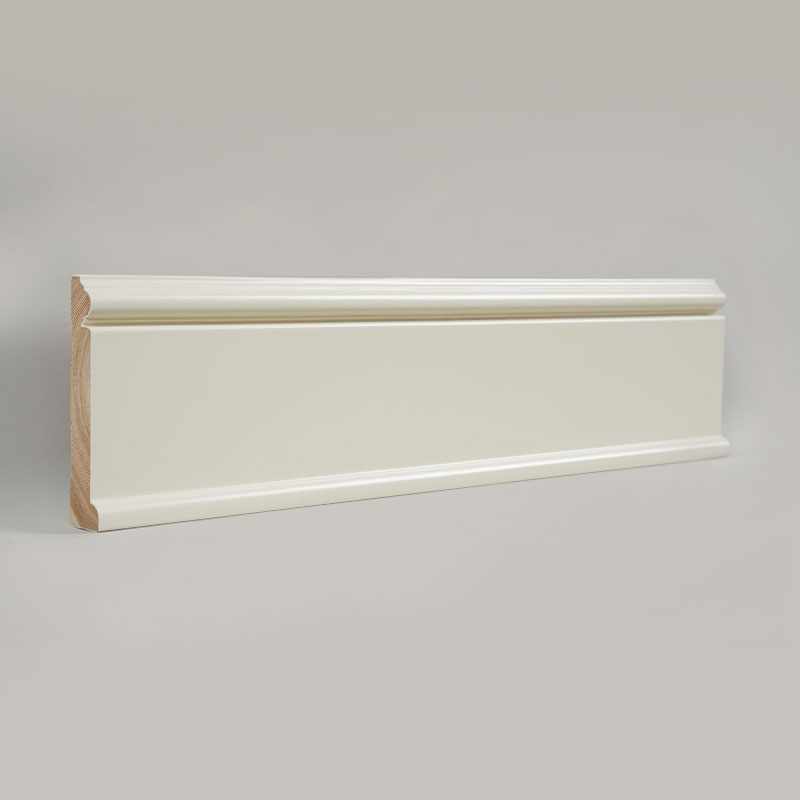
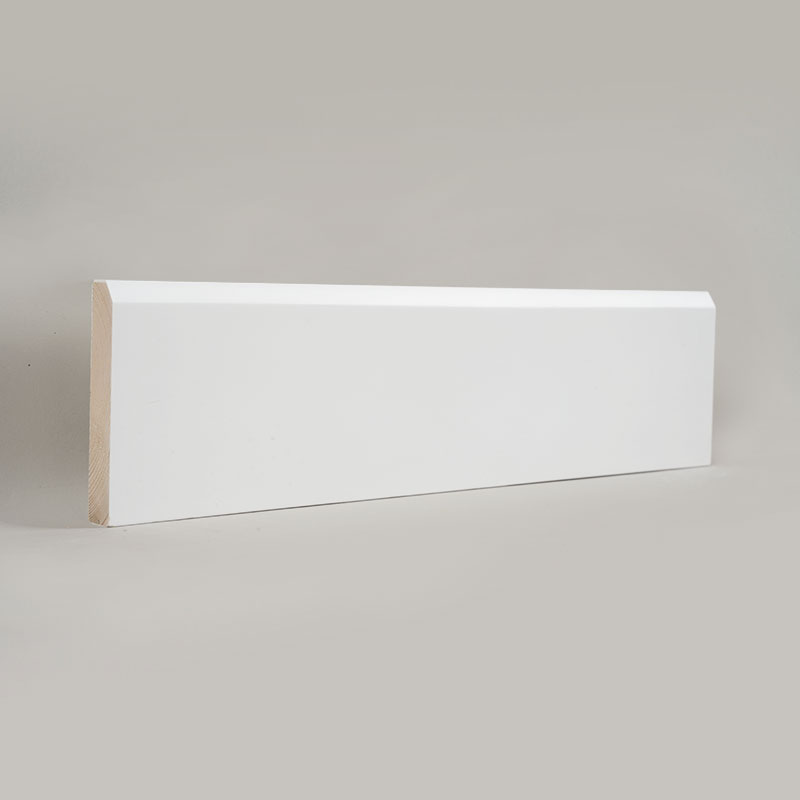
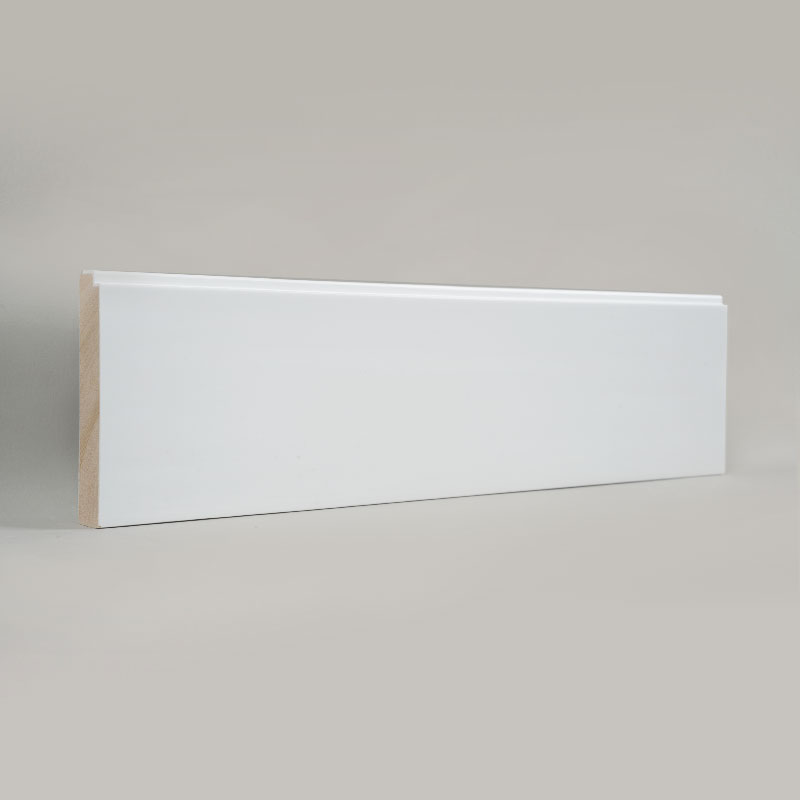
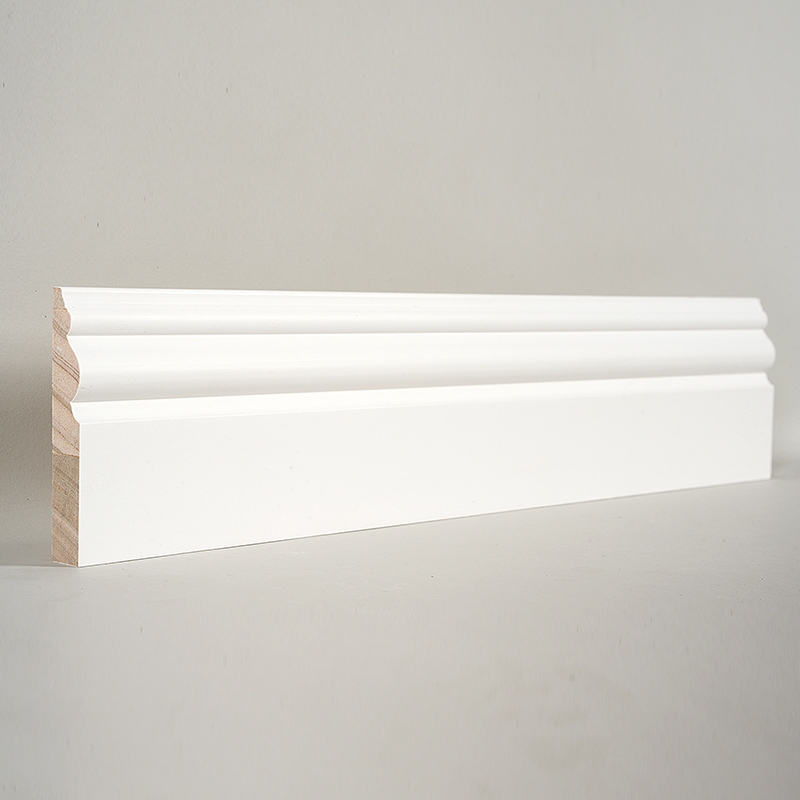
wood skirting board surfaces endure daily impacts from vacuum cleaners, furniture, and foot traffic. Yet, most DIY guides treat painting skirting boards as an afterthought. This master guide transforms that approach. You will learn industrial-grade preparation methods, the chemical differences between modern coatings, and application sequences that eliminate brush marks and premature yellowing. Whether you are refurbishing original Edwardian moldings or installing new wood skirting board, the principles here ensure a gallery-quality, durable finish.
of premature paint failures on baseboards result from inadequate surface prep, not the quality of paint for skirting boards.
We will dissect the true meaning of skirting board gloss, compare it to modern satinwood, and provide a room-by-room strategy for glossing skirting boards that lasts a decade. No fluff, only measurable techniques.
Technical Deep Dive: Satinwood vs Gloss for Skirting Boards
Choosing the right sheen is the first critical decision. The industry has moved beyond the old "gloss-for-all" rule. Here is a data-driven comparison to guide your selection for how to paint skirting boards in different environments.
Performance Metrics: Satinwood vs Traditional Gloss
| Property | High-Gloss (70+ sheen) | Satinwood (40-60 sheen) |
|---|---|---|
| Durability against scuffs | Excellent (harder film) | Good (flexible film) |
| Hide imperfections on old wood | Poor (highlights every dent) | Very Good |
| Yellowing resistance over time | Low (oil-based variants yellow rapidly) | High (water-based acrylics) |
| Ease of touch-up | Difficult (sheen mismatch) | Easy |
For high-traffic hallways and rental properties, modern water-based satinwood vs gloss analysis shows satinwood provides 92% of the durability with 300% better resistance to yellowing. However, for period properties requiring a traditional look, skirting board gloss remains valid if you use a non-yellowing hybrid alkyd.
Surface Preparation: The Science of Adhesion for Baseboards
Adhesion relies on mechanical and chemical bonding. Old wax, silicone from furniture polish, or dust prevents paint for skirting boards from gripping. Follow this industrial sequence to ensure your glossing skirting boards effort doesn't delaminate.
- Step 1 - Degreasing: Use a concentrated TSP (trisodium phosphate) substitute. Scrub all surfaces, especially near kitchen or hallway floors. Rinse twice. Dried residue feels squeaky clean.
- Step 2 - Sanding profile: For previously painted surfaces, use 120-grit to create micro-scratches (profile depth 25-35 microns). For bare wood skirting board, start with 80-grit, then 120-grit. Always sand along the grain to avoid cross-grain scratches that show under gloss.
- Step 3 - Vacuum and tack: Use a HEPA vacuum, then wipe with a microfiber cloth dampened with mineral spirits (for oil-based primers) or denatured alcohol (for water-based systems).
Primer Selection for Wood Molding
The best primer for wood molding is not a universal product. For knotty pine, use a shellac-based stain-blocking primer (prevents tannin bleed within 2 hours). For MDF or smooth primed boards, a high-bonding acrylic primer works. Apply primer at 4-6 mils wet film thickness. Sand dried primer with 220-grit lightly to remove nibs.
Application Mastery: How to Paint Skirting Boards Without Brush Marks
The technique for applying paint for skirting boards differs from walls. Use a high-density foam roller for flats and an angled sash brush (size 2 or 2.5 inches) for profiles. Maintain a wet edge by working in 2-3 foot sections.
Trimming Paint Tape: The Art of Sharp Lines
Many guides skip this, but trimming paint tape is the difference between professional and amateur results. Do not apply tape directly over fresh paint. Instead, use yellow low-tack painter's tape. After applying the tape, run a putty knife edge firmly to seal. Then, paint a thin layer of the wall color over the tape edge (let dry). This seals the micro-gaps. Finally, apply your skirting board gloss. When you pull the tape at a 45-degree angle, the wall color has already sealed the line, preventing gloss bleed.
Angle for tape removal. Pull slowly back over itself to avoid lifting fresh skirting board gloss.
- Brush technique: Dip only 1/3 of bristles. Tap off excess. Lay off (light final strokes) in the direction of the wood grain.
- Foam roller method: Load lightly, roll onto a paint screen first, then apply to flat sections. Back-roll immediately to avoid air bubbles.
- Two-coat rule: Even with high-build paints, two thin coats (4-6 hours drying between) provide 3x the scratch resistance of one thick coat.
Specialized Scenarios: Refurbishing Vs. New Wood Skirting Boards
Refurbishing old wood skirting board requires heat gun work for lead-safe practices (homes built before 1978). Use an infrared stripper set to 500°F to soften paint without fuming lead. For new boards, pre-prime all six sides before installation to prevent moisture ingress that causes cupping.
Durable Baseboard Paint Formulations
For durable baseboard paint that withstands mopping, choose a waterborne alkyd (sometimes labeled "hybrid urethane"). These cross-link like oil but clean up with water. Lab tests show hybrid paints resist 500+ scrub cycles without burnishing, compared to 150 cycles for standard acrylic. Always check the technical data sheet for "abrasion resistance" – aim for >2000 cycles on the Martindale scale.
| Paint Type | Scrub Resistance (cycles) | Recoat Time (hrs) | Best Use Case |
|---|---|---|---|
| Waterborne Alkyd | 2500+ | 4 | High-traffic corridors |
| Acrylic Satinwood | 800-1200 | 2 | Bedrooms, living rooms |
| Traditional Oil Gloss | 1800+ | 16 | Period restoration |
Drying, Curing, and Long-Term Maintenance of Glossed Skirting
Most failures occur in the first 30 days because homeowners treat "dry to touch" as "cured." Chemical curing takes 14-30 days for waterborne paints, and up to 30 days for oils. During this period, the film is still soft. Avoid placing rugs or heavy furniture directly against the wood skirting board. For cleaning, use a dry Swiffer or slightly damp microfiber cloth. Never use abrasive sprays or wax-based polishes – they create adhesion issues for future coats of paint for skirting boards.
Humidity and Temperature Guidelines
Apply skirting board gloss when ambient temperature is between 18-25°C (65-77°F) and relative humidity below 70%. High humidity extends drying time by 40-60% and can cause "blush" (cloudy appearance) in water-based paints.
Common Failures and Troubleshooting during Glossing Skirting Boards
Even experienced DIYers encounter issues. Diagnose and fix without stripping the entire board.
- Brush marks visible: Caused by painting in hot dry conditions or using too much paint. Solution: Lightly sand with 320-grit after drying, then apply a very thin second coat with a dampened roller.
- Orange peel texture: Paint was too thick or roller nap too long. Use a 4mm mohair roller for how to paint skirting boards with gloss. Sand with 220, then recoat with 10% water thinning (for water-based).
- Yellowing edges: Occurs when oil-based primer is used under water-based topcoat. The only fix is to strip and restart with a universal acrylic primer.
- Peeling tape lines: The trimming paint tape was left on for more than 24 hours. Remove tape within 12 hours of final coat. Use a razor blade to score the edge before pulling.
Frequently Asked Questions (FAQ)
Q1: What is the best paint for skirting boards in a rental property with heavy vacuuming?
A water-based satinwood or urethane-reinforced acrylic is ideal. Look for durable baseboard paint labeled "scuff-resistant" and "block-resistant." These maintain their sheen after repeated abrasion from vacuum cleaner heads.
Q2: Can I paint over existing gloss without sanding?
No, not reliably. Liquid sanders (deglossers) chemically etch but cannot create the mechanical profile of sanding. For how to paint skirting boards correctly, always sand with 150-180 grit to break the gloss film. Skipping this leads to peeling within 6 months.
Q3: How long should primer for wood molding dry before topcoating?
Water-based primer for wood molding needs 2-4 hours. Oil-based requires 16-24 hours. Test by pressing a finger on a masked area – if it feels tacky or leaves a fingerprint, wait longer. Rushing traps solvents and causes micro-bubbling.
Q4: Why does my satinwood look patchy after two coats?
You may have applied it over a glossy primer without intermediate sanding. Lightly sand with 220-grit between coats. Also, ensure you are stirring the paint every 10 minutes – satinwood contains flattening agents that settle quickly.
Q5: Is it necessary to remove skirting boards to paint them effectively?
Only for spray finishing or if the existing coating is failing (cracked alligatored paint). For 95% of glossing skirting boards projects, painting in situ with careful tape and shield is faster and avoids damaging plaster walls. However, removing allows you to prime the back edge – which is crucial for moisture-prone rooms.