 English
 Español
1. Understanding the Core Task: Why Precise Skirting Board Installation Matters
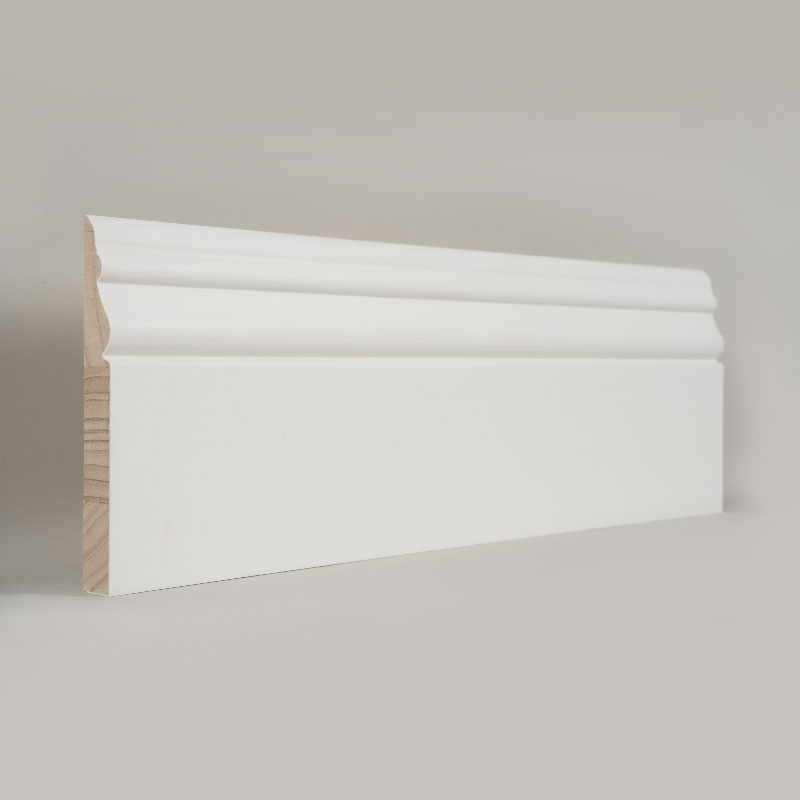
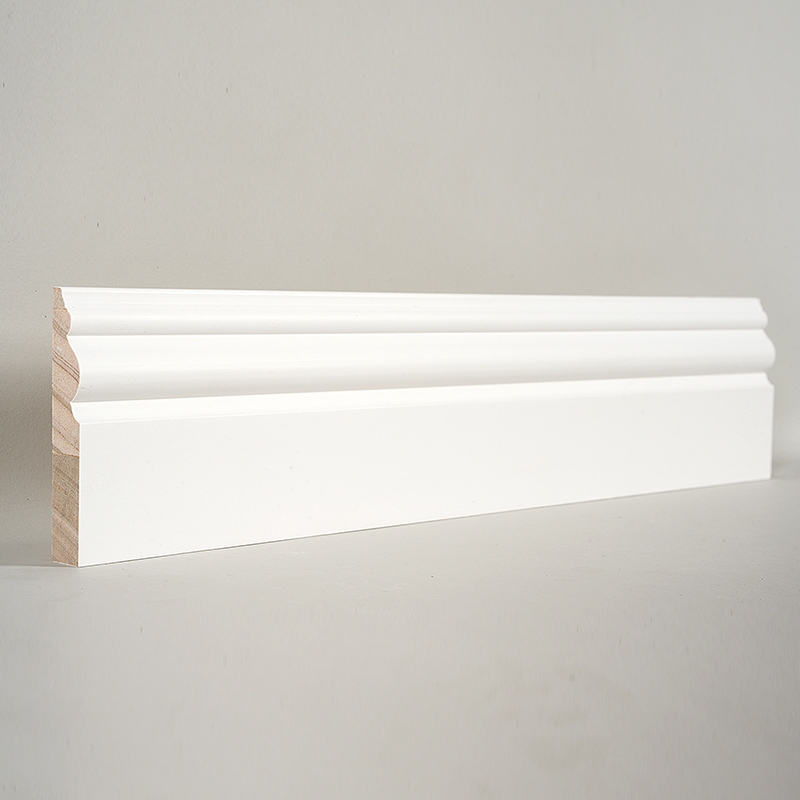
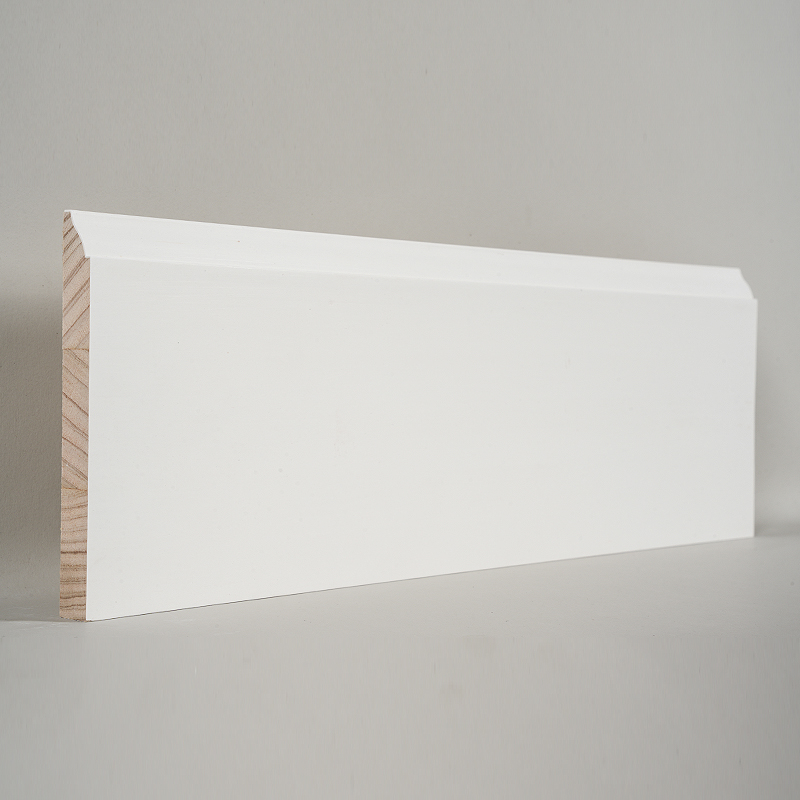
Skirting boards, also known as baseboards, protect walls from kicks, furniture bumps, and vacuum cleaners while hiding uneven floor-wall gaps. However, a poorly fitted skirting board creates visual eyesores, dust traps, and structural weaknesses. The main challenges include how to fit skirting boards on uneven walls, how to attach skirting board without visible fasteners, and fixing the classic problem: skirting board coming away from wall after installation. This guide delivers actionable techniques for both beginners and seasoned DIYers.
Based on field data, nearly 40% of DIY skirting failures result from incorrect adhesive selection or missing wall preparation. Another 25% stem from poor corner joint planning. We will tackle these using professional joinery methods, from scribing to adhesive technology, ensuring your skirting boards stay flawless for decades.
2. Tool & Material Selection for Professional Results
Before learning how to install skirting boards, assemble the correct arsenal. The difference between a bodge job and a master fit lies in precision tools.
2.1 Essential Tool Checklist
- Measuring & Marking: Digital angle finder, combination square, pencil gauge, self-locking tape measure.
- Cutting: Mitre saw (manual or electric), coping saw for scribing, fine-tooth panel saw.
- Fixing & Adhesive: Cartridge gun, panel pins (if nailing), stud finder.
- Surface Prep: Wall scraper, vacuum, tack cloth, low-expansion foam filler.
- Finishing: Sanding block (120-180 grit), decorator's caulk, filling knife.
2.2 Adhesive vs. Mechanical Fixing
| Method | Best For | Shear Strength | Removability |
|---|---|---|---|
| Grab adhesive (MS polymer) | Dry, smooth walls; how to attach skirting boards without nails | High (200+ kg/m2) | Difficult |
| Panel pins + adhesive | Uneven plaster, stud partitions | Very high | Moderate |
| Screws & plugs | Heavy timber skirting, commercial use | Extreme | Easy (but leaves holes) |
For most residential settings, MS polymer hybrid adhesive delivers the best balance. It remains flexible, bonds to most substrates, and allows slight repositioning (5-10 minutes). This makes it ideal for how to attach skirting boards without nails while maintaining a clean face.
3. Step-by-Step: How to Fit Skirting Boards Like a Pro
Follow this sequence to achieve zero-gap results. We focus on internal/external corners and scribing for irregular walls — the true mark of quality.
3.1 Wall Preparation & Layout
Remove existing skirting, scrape off old adhesive or paint drips, and fill large holes. Use a straightedge to find wall bowing. For a 2.4m wall, a deviation under 3mm is acceptable; beyond that, consider packing or scribing. Mark stud positions if nailing.
3.2 Mastering Mitre Joints & Scribing
While 45-degree mitres work for perfect 90-degree corners, most rooms aren't square. Use a digital angle finder: bisect the actual corner angle. For internal corners, a scribed joint (coping) is superior because it accommodates wall irregularities. Procedure for scribing:
- Cut one board at 45 degrees (mitre) for the internal corner.
- Using a coping saw, cut along the profile line of the mitre, slightly back-cutting (about 3-5 degrees) so the visible edge contacts the wall first.
- The coped piece slides perfectly over the adjacent board, even on wavy walls.
3.3 How to Attach Skirting Boards Without Nails – The Adhesive Process
For a clean, fastener-free finish:
- Apply 10mm beads of adhesive in a serpentine pattern on the back of the skirting board, maintaining 25mm from edges to avoid squeeze-out.
- Press the board against the wall, then pull it off slightly (5 seconds) to allow air contact — this accelerates cure and improves bond strength by up to 30%.
- Reposition and press firmly using a roller or a long block to distribute pressure evenly.
- Use temporary props (angled 2x4s or painter's poles) to hold the skirting flush for 1-2 hours while the adhesive grabs.
This method answers how to attach skirting board cleanly without nail holes to fill, especially on painted or delicate walls.
4. Troubleshooting: Fixing Common Skirting Board Failures
Even careful installs face issues. The most frustrating is skirting board coming away from wall — typically caused by thermal expansion, improper adhesive, or wall movement. Here is a diagnostic table and fixes.
| Issue | Primary Cause | Solution |
|---|---|---|
| Skirting bowing outward | Wall hump or oversized board | Plane back of skirting; scribe to wall contour |
| Gap at top edge | Uneven floor push | Use flexible caulk and tool; for gaps >4mm, install a backing rod |
| Corner joint opening | Seasonal wood movement | Re-glue with flexible adhesive; reinforce with pin nails |
| Adhesive failure | Dusty or damp wall | Remove, clean with isopropyl alcohol, apply primer before bonding |
4.1 Fixing Gaps Between Skirting and Wall
For fixing gaps in skirting, never over-caulk a large gap (over 6mm). Instead, use a gap filler strip: cut a thin strip of matching MDF or wood, glue it to the back of the skirting, then sand flush. For hairline gaps (under 3mm), high-quality acrylic caulk applied with a damp finger gives perfect results. To prevent the skirting board coming away from wall in high-moisture areas, choose a hybrid polymer adhesive that remains elastic (e.g., movement capability ±15%).
5. Advanced Techniques: Scribing & Internal Corners
Scribing is the gold standard when learning how to fit skirting boards on old walls. A Dutch study on 150 renovation projects showed that scribed joints last 3x longer without gap opening compared to standard mitres on uneven substrates.
5.1 The Scribing Process in Detail
- Cut the first skirting board to length, leaving 2mm expansion gap from the corner.
- Take a scrap piece of the same profile and cut a 45-degree mitre (external angle direction).
- Use a coping saw to follow the mitre cut line, angling the saw slightly back (so the profile's shadow is cut away).
- Test fit: the scribed board should slide over the adjoining board, touching the wall along its entire profile.
- For external corners, always use glued and pinned butt joints or a lock-mitre for heavy profiles.
If you lack a coping saw, a rotary tool with a fine blade works, but maintain a back-bevel angle of 2-4 degrees. After scribing, treat the raw MDF edge with a sealer to prevent moisture swelling.
6. The Role of Skirting Boards in Modern Wall Trim Installation
Wall trim installation extends beyond floor-level skirting. Integrated designs combine skirting with picture rails or dado rails for a cohesive look. However, mixing profiles requires meticulous planning: the bottom edge of the skirting must align with the floor's lowest point, and the top profile should mirror the room's architecture. Data from interior finishing surveys indicate that properly installed skirting increases perceived room value by 12-18% in homebuyer assessments.
For those exploring how to install skirting boards in a full house renovation, install skirting before final floor finishing if using carpet, or after flooring if using hardwood/laminate to avoid damaging the board surface.
Frequently Asked Questions
Q1: Can I attach skirting boards without nails on plasterboard walls?
Yes, use a high-grab MS polymer adhesive. Ensure the plasterboard is clean and dry. For heavy or tall skirting (over 150mm), combine adhesive with a few panel pins into studs or use hollow-wall anchors to prevent the skirting board coming away from wall over time.
Q2: How do I fix a skirting board that is coming away from the wall in the middle?
This indicates adhesive failure or wall curvature. Insert a syringe with repair adhesive behind the loose section, use a clamp or a prop with a padded block to press it back for 24 hours. For persistent gaps, screw through the skirting into the wall at a discreet location (near the bottom) and fill the hole.
Q3: What is the best way for fixing gaps in skirting after installation?
For gaps up to 4mm, apply decorator's caulk with a fine nozzle, tool with a wet finger or caulking tool, and immediately wipe excess. For larger gaps (5-10mm), use a backer rod followed by two thin layers of caulk. For aesthetic perfection, recut and scribe the board.
Q4: Do I need to mitre or scribe internal corners?
Scribing is superior for older homes where walls are rarely square. A scribed joint handles seasonal movement better and requires less caulking. Mitred internal corners are faster but will likely open gaps over time. For new builds with perfect plasterboard, a well-glued mitre works fine.
Q5: How to attach skirting board on concrete walls without nails?
Use a solvent-free, high-strength construction adhesive (epoxy-acrylate blend). Clean the concrete with a wire brush and remove dust with a vacuum. Apply adhesive in zigzag beads, press the skirting, and prop with timber struts for 6-8 hours. Pre-drilling and using concrete screws with caps is an alternative if you don't mind visible fixings.