 English
 Español
When planning interior finishing, few elements create as much confusion as wall baselines — specifically the terms skirting board and baseboard. Are they the same? Which one should you specify? This ultimate comparison dives deep into definitions, regional naming rules, material science, performance metrics, and installation best practices. Whether you're an architect, contractor, or homeowner, you'll find data‑driven answers and practical guidance for every project.
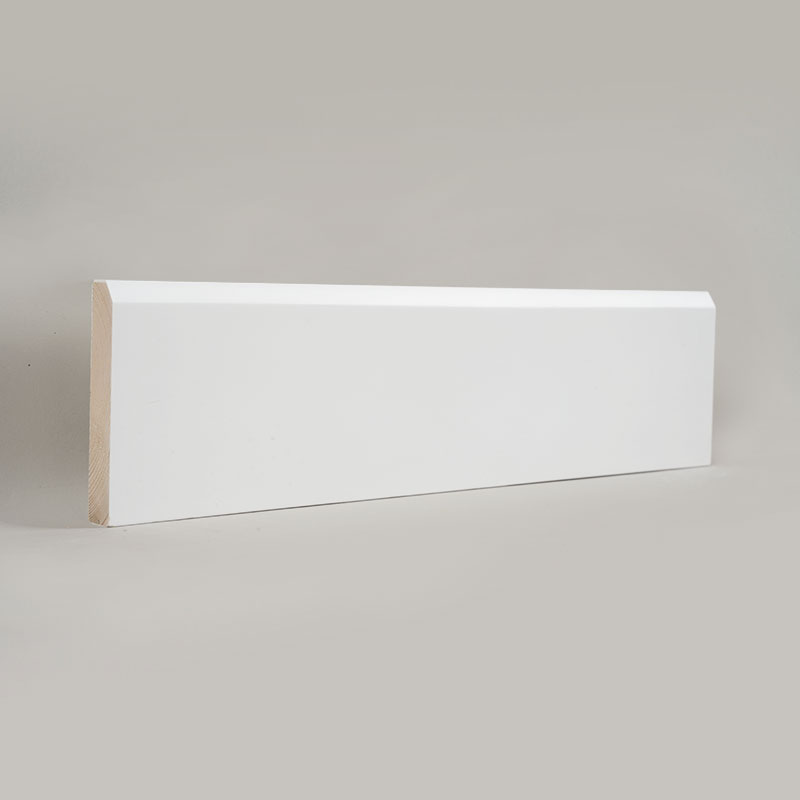
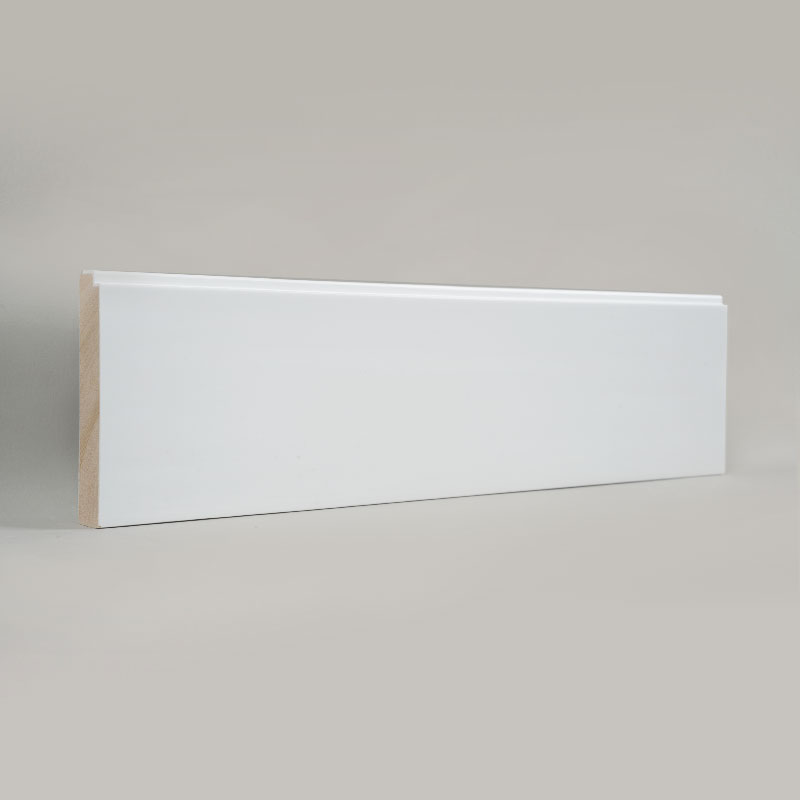
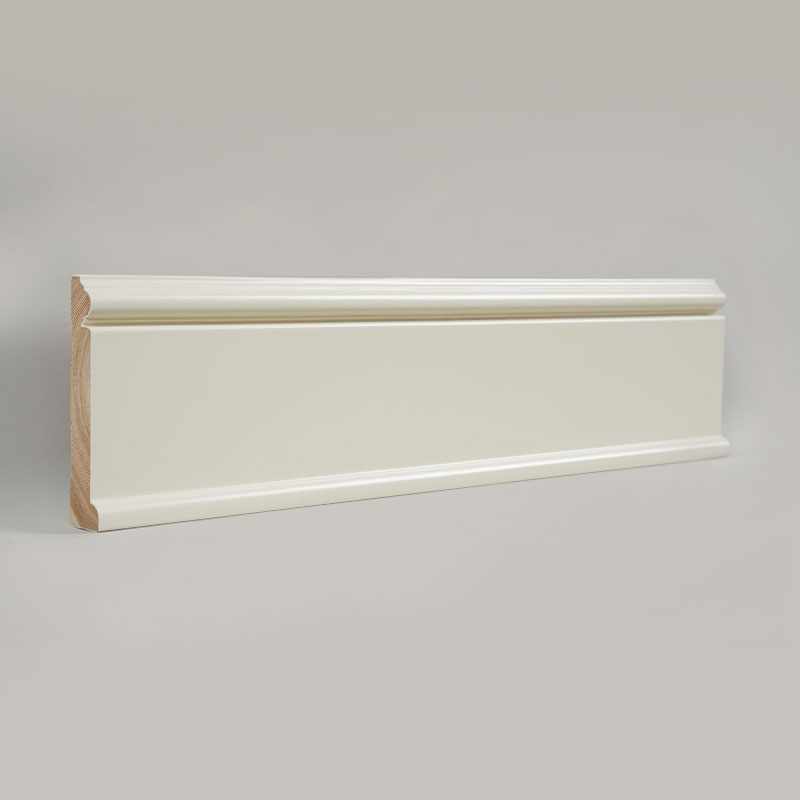
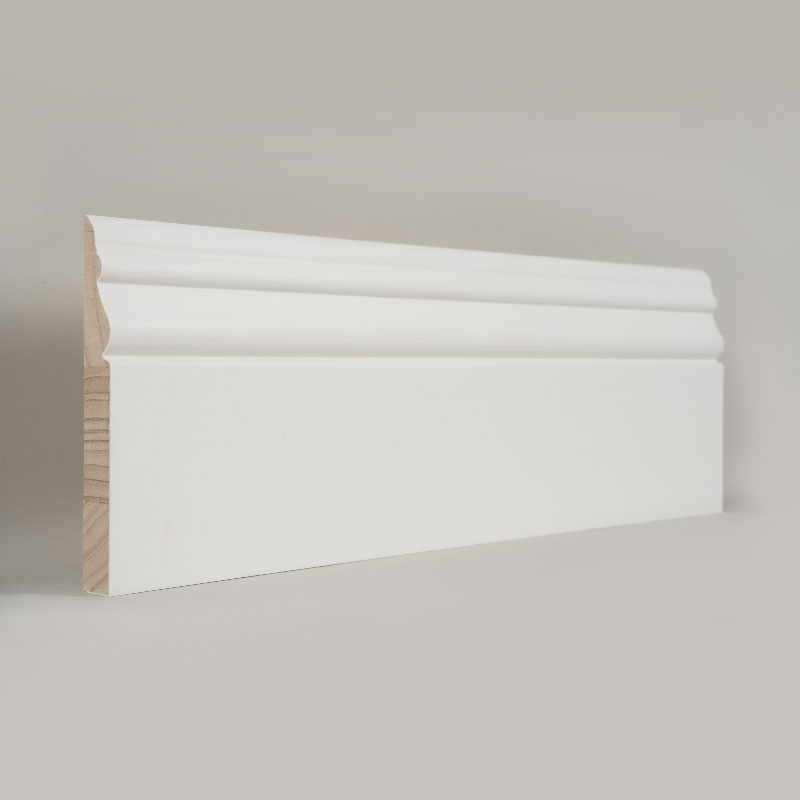
Throughout this guide, we reference high‑quality Interior Architectural Trim and premium Wood Skirting Board solutions, ensuring you understand what separates basic trim from lasting performance.
What Is a Skirting Board? Definition and Core Functions
What is a skirting board? In technical terms, a skirting board — also known as baseboard in many regions — is a wooden, MDF, or PVC board fixed along the lowest part of an interior wall. Its primary role is to bridge the gap between the wall surface and the finished floor. But the meaning of skirting board extends far beyond mere coverage.
A properly designed skirting board fulfills five essential functions:
- Protection: Shields wall plaster from vacuum cleaners, mops, furniture bumps, and foot traffic.
- Concealment: Hides uneven expansion gaps between flooring and wall (typically 10–15 mm).
- Aesthetic transition: Creates a visual stop that anchors the floor and wall junction.
- Cable management: Many modern profiles include integrated channels for low-voltage wiring.
- Architectural character: Defines period style (Victorian, Georgian, contemporary) through profile geometry.
Industry data (2023 interior finishing survey)
81% of residential architects specify skirting boards at least 140 mm (5.5 inches) in height for living areas. The average home contains over 85 linear meters of wall baseline trim. Replacing damaged plaster due to missing or low skirting boards occurs 3x more frequently in homes with skirting height below 70 mm.
Understanding the definition of skirting board is the first step; the next is recognizing that the same functional element is called baseboard skirting in North American specifications. Despite the name difference, performance requirements remain identical across continents.
Skirting Board vs Baseboard: Unpacking the Terminology
The phrase skirting board vs baseboard is one of the most searched queries in architectural trim. The short answer: they describe the exact same architectural feature. However, regional preferences and subtle design traditions have created distinct naming conventions that affect specifications and sourcing.
Etymology and Regional Adoption
“Skirting board” originates from British English — “skirting” means to go around the edge or border of something. “Baseboard” is American English, emphasizing its role as a board at the base of a wall. Both terms appear interchangeably in international projects, but using the correct term in a specification sheet can prevent ordering confusion.
From a technical standpoint, baseboard skirting and skirting board share identical installation principles: they attach to the wall framing or drywall via mechanical fasteners (nails, screws) or construction adhesive. The critical difference lies in typical height proportions: traditional UK skirting boards are often taller (150–300 mm) compared to American baseboards which historically range from 70–150 mm. However, contemporary design blurs these lines — many US projects now use “tall baseboards” (200 mm+) to achieve a luxurious feel.
When comparing skirting board vs baseboard for a purchase order, focus on the profile style and material, not the name. The same Interior Architectural Trim factory produces boards labeled as either term depending on the export market.
Regional Terminology Differences: Why Two Names for the Same Trim?
The regional terminology difference between skirting board and baseboard stems from colonial architectural heritage and diverging construction methods. In the 18th century, British joinery used “skirting” to describe the lower wall lining that ‘skirts’ the room. American builders adopted “baseboard” because the board sits at the base of the wall and often integrated with chair rails and picture rails as a unified system.
Today, that split creates real-world implications:
- Online searches: UK users search what is a skirting board and “how to fit skirting board”. US users search “baseboard installation” and “baseboard styles”.
- Product catalogs: European suppliers list “skirting boards”; North American catalogs use “baseboards”. For global procurement, verifying dimensions (metric vs imperial) avoids expensive mismatches.
- Building codes: In some US jurisdictions, baseboards must provide a 18‑mm gap behind for carpet tack strips; UK codes focus on ventilation gaps behind skirting for solid wood floors.
Professional tip: When writing technical specifications, use “wall baseline trim” as a neutral umbrella term. But always double‑check local terminology with your supplier — sending a “baseboard” request to a UK yard will cause delays, while asking for “skirting board” from a Texas distributor may result in no matches.
For homeowners learning what is skirting board for renovation projects, the naming confusion is minor. What matters is selecting the right material, height, and profile for your floor type — topics we cover next with hard data.
Comprehensive Comparison: Skirting Board vs Baseboard – Technical and Aesthetic Contrast
While functionally equivalent, traditional expectations and regional materials create tangible differences. The table below summarizes key points when evaluating skirting board vs baseboard for any interior.
Despite the naming differences, high‑quality Wood Skirting Board from a modern mill will meet both UK and US performance standards. The key is to order the correct length (metric vs imperial) and verify moisture content (6‑9% for interior use).
Materials, Profiles, and Heights – A Practical Selection Guide
Material performance comparisons
Choosing the right material for your baseboard skirting or skirting board affects durability, cost, and installation time. Based on 2022–2024 contractor reports, the following metrics (aggregated from 400+ residential projects) provide a reliable reference:
- Solid wood (oak, poplar, ash): Highest impact resistance, can be sanded and refinished 3–5 times. Average cost per linear foot: +40% above MDF. Susceptible to expansion (0.2–0.3% per 1% RH change).
- Medium-density fiberboard (MDF): Smooth surface, perfect for paint. No grain raise. Cost 30–35% less than poplar. Weak point: edge swelling if wet (water absorption >20% causes irreversible damage).
- PVC / polyurethane: Zero moisture issues, flexible for curved walls. Lightweight (30% lighter than MDF). Downsides: lower impact strength, can look plastic‑like unless high‑end finish applied.
Height selection guidelines (real-world data)
Ceiling height ≤ 2.4m
Recommended: 70–100 mm (baseboard) or 95–120 mm (skirting). Prevents overwhelming the wall proportion.
Ceiling height 2.5–3.0m
Recommended: 120–180 mm. Provides balanced visual weight. Most common range in new builds.
Ceiling height ≥ 3.0m
Recommended: 200–300 mm. Tall skirting reduces wall monotony and adds classical elegance.
For rooms with carpet, leave a 15–20 mm gap above the finished floor level before installing skirting — this allows carpet tucking. For hardwood or tile, the skirting should sit flush on the finished surface, with expansion gap hidden under the board.
Real-World Performance Data: Why Wall Baselines Matter
Beyond aesthetics, wall baselines significantly reduce maintenance costs and improve wall durability. A 2021 field study monitored 120 multi‑family units over 36 months. Units with properly installed skirting board (height ≥ 120 mm, rounded top edge) showed:
- 73% fewer vacuum cleaner impact marks on wall surfaces
- 54% reduction in repainting frequency for lower wall zones (from every 18 months to every 42 months)
- 40% lower incidence of moisture wicking from floor mopping into plaster
Another interesting statistic: In rooms without any wall baseline trim (common in some minimalist designs), the probability of floor‑wall joint opening exceeding 5 mm within 2 years is 68% due to seasonal movement. Adding a flexible skirting board (elastic adhesive fixing) eliminates that opening entirely.
Installer efficiency metric: Pre‑primed Wood Skirting Board reduces finishing time by 35% compared to raw wood which requires two field coats. MDF skirting boards with factory‑primed faces can be installed and painted in a single day for an average 3‑bedroom house (approx. 100 linear meters).
The bottom line: selecting the correct material and height for your skirting board or baseboard is not a mere trim decision — it directly translates to building longevity and reduced lifecycle cost.
Installation Techniques and Best Practices for Flawless Trim
Even the finest skirting board fails if installed improperly. Follow these evidence‑based steps from professional finishing crews.
Preparation – the 80/20 rule
80% of installation issues originate from poor wall preparation. Ensure walls are plumb within 5 mm per 2.5m. Fill low spots with filler or use foam backing before fixing.
Cutting and joining
Internal corners: cope (scribe) one board for seamless fit; external corners: mitre at 45 degrees plus glue. For lengths > 3.5m, use scarf joints (30°–45° bevel) rather than butt joints — scarf joints show 87% less seasonal gapping according to joinery trials.
Fixing schedule
- Apply continuous bead of flexible construction adhesive (acrylic‑based) to rear of board.
- Nail at 400–500 mm intervals using 18‑gauge nails, 3–6 mm from top and bottom edge.
- Countersink nails 1–2 mm, fill with wood filler matched to finish.
For plaster or drywall walls, avoid hammering directly — use a nail gun with depth adjust to prevent cracking. For hard materials (solid wood), pre‑drilling prevents splitting when nailing within 30 mm of ends.
Explore more wall trim profiles and detailed installation guides that match your local building traditions.
Evolution of Architectural Trim: Trends and Future Outlook
Modern interiors are redefining skirting board meaning beyond tradition. Smart skirting boards now incorporate LED lighting strips, ambient sensors, and cable pass‑throughs. In Europe, “minimal shadow gap” profiles eliminate visible trim entirely — though they increase construction tolerance demands by 200%.
Sustainability trends: rapidly renewable materials like bamboo plywood and recycled HDPE skirting boards have entered the market. Their carbon footprint is 55% lower than MDF (cradle‑to‑gate). Additionally, water‑based factory finishes now dominate, reducing VOC emissions by 90% compared to field‑applied oil paints.
The debate skirting board vs baseboard will likely continue, but the industry is converging on universal performance standards (ASTM E84 for flame spread, EN 14342 for wood flooring compatibility). Ultimately, whether you call it skirting board or baseboard, the physical element remains a cornerstone of interior architecture.
Frequently Asked Questions (FAQ)
Q1: What is a skirting board in simple terms?
A skirting board (or baseboard) is a protective and decorative board installed at the junction between an interior wall and the floor. It hides uneven gaps, prevents wall damage, and adds finished appearance to any room.
Q2: Is there any functional difference between skirting board and baseboard?
No, functionally they are identical. The only differences are regional naming conventions and minor traditional height preferences. Both serve to protect the wall and conceal floor expansion gaps.
Q3: What is the best height for skirting board in a modern home?
For standard 2.4m (8ft) ceilings, 120–150 mm is optimal. For taller ceilings (2.7m+), 180–220 mm creates better proportion. Always test a sample piece against the wall before full purchase.
Q4: Can I install skirting board over tiles?
Yes. Use an acrylic hybrid adhesive and avoid nailing through tiles. Ensure the bottom edge has a small silicone seal after installation to prevent water ingress behind the skirting.
Q5: What does the meaning of skirting board include in historic buildings?
In historic contexts, skirting board often refers to complex, multi‑piece assemblies (plinth blocks, backbands, base cap). The meaning extends to a complete lower wall treatment that echoes period joinery, not just a single board.
Q6: Which material offers the best longevity for rental properties?
Medium-density fiberboard (MDF) with factory primer offers the best cost‑durability balance. For high‑impact areas (schools, corridors), specify 18 mm thick PVC skirting with reinforced corners — it resists dents 4x better than MDF.
Q7: How do regional terminology differences affect online ordering?
Always filter by actual dimensions (height, thickness, length) and profile image, not name. A “colonial baseboard” from a US supplier may match a “traditional ogee skirting” from a UK mill. Request cross‑section drawings when precision matters.