 English
 Español
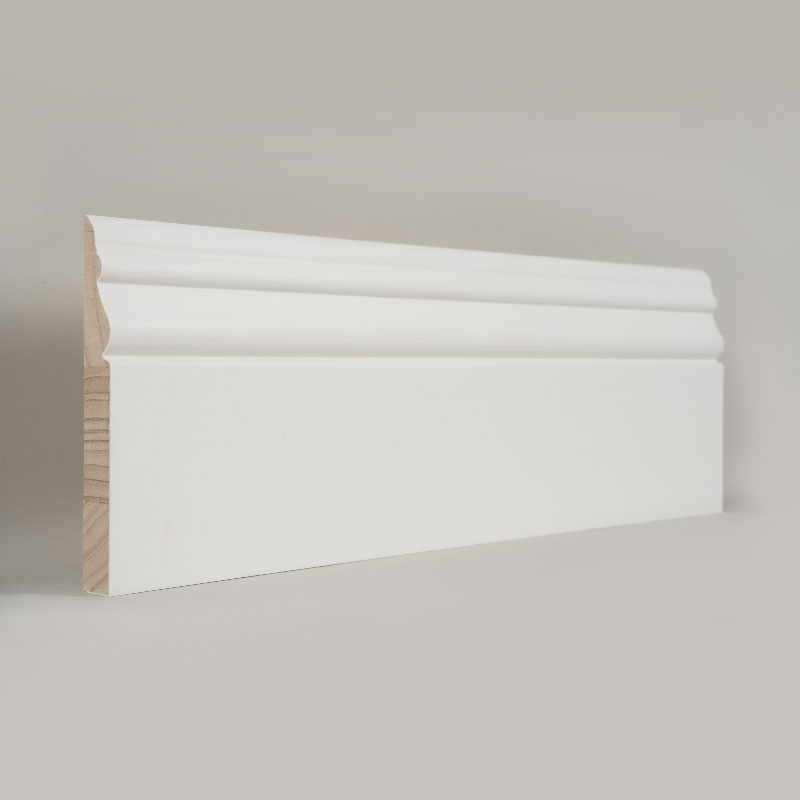
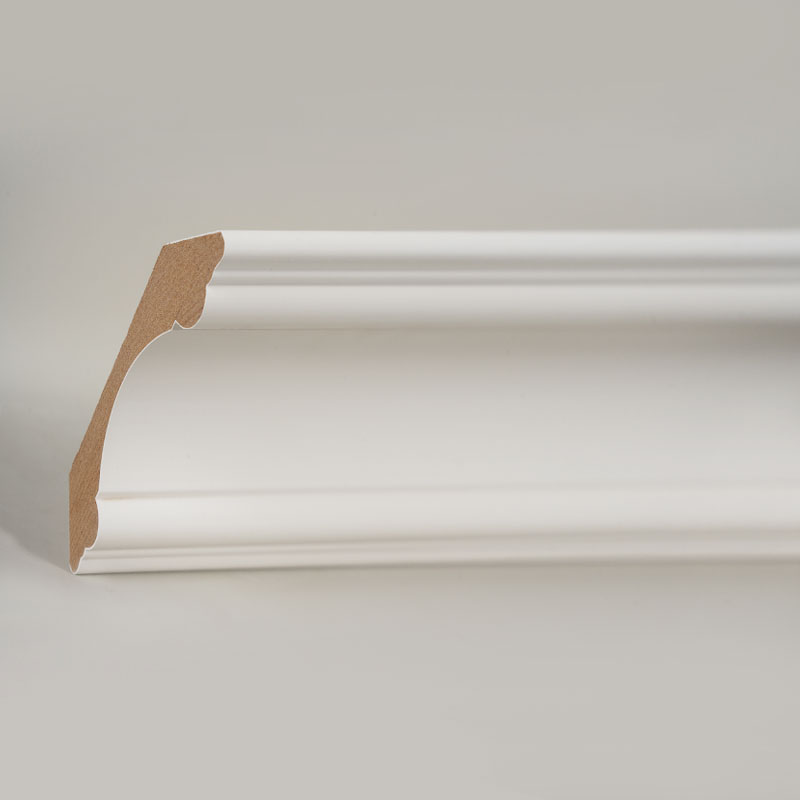
White primed crown moulding is a popular architectural feature widely used to enhance the aesthetic appeal of interior spaces while protecting wall and ceiling edges. Understanding the surface treatments applied during the production of white primed crown moulding is essential for buyers who value quality, durability, and appearance.
Overview of white primed crown moulding
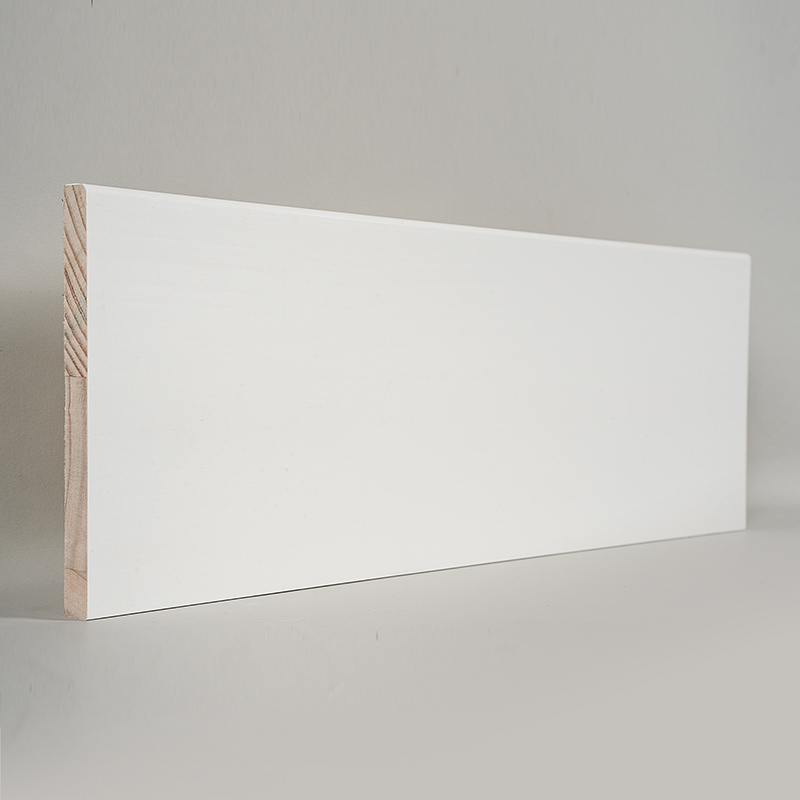
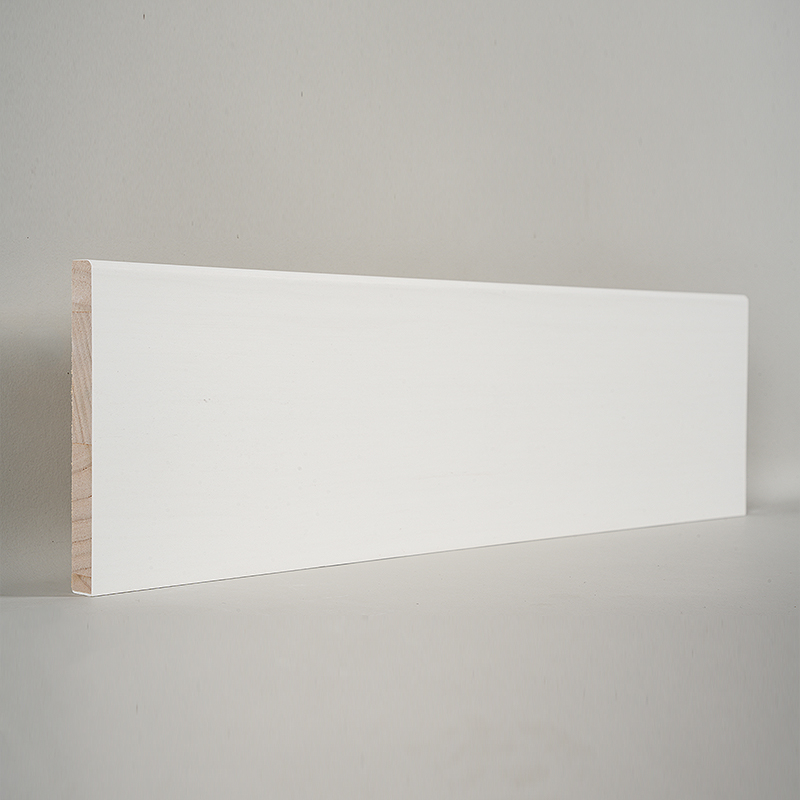
White primed crown moulding is generally produced from wood, medium-density fiberboard (MDF), polyurethane, or polystyrene materials. These materials are chosen based on their ease of shaping, durability, and ability to accept finishes. White primed crown moulding is typically factory-primed to provide a smooth, paint-ready surface, which reduces preparation time during installation.
Key advantages of white primed crown moulding include:
- Ease of finishing: The factory-applied primer ensures uniform coverage and adhesion for subsequent paint layers.
- Enhanced durability: Surface treatments protect the moulding from moisture, warping, and minor impacts.
- Consistent appearance: Priming and sanding processes create a smooth, flawless surface, reducing visible defects.
By understanding the surface treatments applied during production, buyers can make informed decisions about the quality, suitability, and longevity of white primed crown moulding for their projects.
Surface preparation before priming
Before the primer is applied, the raw material undergoes careful surface preparation. This stage is critical because it ensures that the primer adheres properly and that the moulding achieves a smooth, defect-free finish.
Material inspection
All materials used for white primed crown moulding are first inspected for density, uniformity, and structural integrity. Any defects, such as cracks, knots, or uneven textures, are removed or corrected. This ensures the finished product maintains high quality and prevents irregularities in the painted surface.
Sanding and smoothing
The moulding surfaces are sanded to remove rough spots and to provide a consistent texture. Fine-grit sanding is commonly used to create a slightly rough surface that improves primer adhesion. Sanding is particularly important for wood and MDF mouldings, as uneven surfaces can lead to poor paint coverage or visible imperfections after finishing.
Dust and debris removal
After sanding, mouldings are carefully cleaned to remove dust and debris. This can be done through air blowers, brushes, or vacuum systems. Any remaining particles on the surface can interfere with primer application, causing blotches or uneven coating.
Primer application
The primer is the core surface treatment for white primed crown moulding. It serves multiple purposes, including improving adhesion for paint, sealing the surface, and enhancing durability.
Types of primers
Different primers may be used depending on the material of the moulding:
- Water-based primers: Ideal for MDF and wood, they provide smooth coverage and quick drying.
- Oil-based primers: Used for certain hardwoods or resinous materials, offering stronger adhesion and sealing capabilities.
- Polyurethane or acrylic primers: Common for synthetic mouldings, enhancing surface smoothness and paint adhesion.
Application methods
Primers are applied using methods designed to ensure uniform coverage and efficiency:
- Spray coating: Provides smooth, even coverage on intricate profiles and reduces the risk of brush marks.
- Roller or brush application: Often used for smaller batches or less intricate mouldings, allowing precise control over coverage.
- Automated line application: In industrial production, mouldings may pass through automated primer lines for consistent quality and efficiency.
Multiple coats
To achieve a flawless finish, white primed crown moulding may receive multiple primer coats. Each layer is allowed to dry before sanding and applying the next coat. This builds up a uniform surface that enhances paint adhesion and durability.
Sanding and finishing after priming
After primer application, the mouldings are lightly sanded again to remove any minor imperfections, dust particles, or unevenness. This ensures that the surface is smooth and ready for painting or other finishes.
Fine sanding
A final fine sanding process ensures that the surface has the ideal texture for paint adhesion. For MDF and synthetic mouldings, sanding also helps to remove any raised fibers or slight irregularities introduced during primer application.
Surface inspection
Each moulding is inspected for consistent coating, smoothness, and absence of defects. Only mouldings that meet quality standards proceed to packaging, ensuring that buyers receive a product that is both visually appealing and functionally durable.
Additional surface treatments
In addition to priming, some manufacturers apply secondary treatments to enhance the performance of white primed crown moulding.
Sealing and moisture resistance
Some white primed crown moulding products receive additional sealing to increase resistance to moisture and humidity. This is particularly important for MDF or wood mouldings in kitchens, bathrooms, or areas with high humidity, as untreated surfaces may swell or warp over time.
Protective coatings
Certain mouldings may also receive protective clear coats that enhance scratch resistance and reduce the likelihood of surface damage during transportation, installation, or use. These coatings maintain the smooth appearance and prolong the lifespan of the product.
UV resistance
For mouldings exposed to sunlight or bright indoor lighting, UV-resistant treatments may be applied to prevent yellowing or fading over time. While most interior mouldings are not directly exposed to strong sunlight, UV protection ensures long-term color stability for factory-applied primer and subsequent paint layers.
Advantages of surface treatments in white primed crown moulding
The surface treatments applied during production directly impact the performance and appeal of white primed crown moulding.
- Enhanced paint adhesion: Proper priming ensures that paint sticks effectively to the surface, minimizing peeling or flaking.
- Smooth finish: Sanding and multiple primer layers provide a flawless surface that requires minimal additional preparation.
- Improved durability: Sealing and protective coatings help resist moisture, minor impacts, and daily wear.
- Time-saving installation: Factory-applied treatments reduce the time needed for on-site preparation, enabling faster and cleaner installation.
- Consistent appearance: Quality control at every stage ensures uniform color, texture, and profile, which enhances interior design aesthetics.
Buyer considerations
When purchasing white primed crown moulding, understanding surface treatments helps buyers select the right product for their needs. Some key considerations include:
- Material compatibility: Ensure the primer type matches the moulding material for optimal adhesion and durability.
- Profile complexity: Intricate moulding profiles require high-quality primer application to cover all grooves and details.
- Environmental conditions: Areas with high humidity or sunlight exposure may require additional sealing or UV-resistant treatments.
- Finishing flexibility: A well-primed moulding allows buyers to apply custom paints or finishes without extensive preparation.
- Durability expectations: Buyers should evaluate whether additional protective coatings are necessary for long-term performance.
By considering these factors, buyers can ensure that the white primed crown moulding they select meets both functional and aesthetic requirements.
Comparison with unprimed moulding
Unprimed moulding requires additional preparation before painting or installation. Compared with white primed crown moulding, unprimed products have several disadvantages:
| Feature | White Primed Crown Moulding | Unprimed Moulding |
|---|---|---|
| Surface readiness | Smooth, factory-primed, paint-ready | Requires sanding, sealing, and priming |
| Time to finish | Faster installation | Longer preparation time |
| Consistency | Uniform coating and texture | May have visible imperfections |
| Durability | Enhanced moisture and wear resistance | Lower resistance without additional treatment |
The table demonstrates that factory-applied surface treatments significantly improve convenience, appearance, and longevity.
Conclusion
Surface treatments play a crucial role in the production of white primed crown moulding, influencing both its aesthetic quality and functional performance. From careful material selection and sanding to multiple primer applications and optional protective coatings, each step ensures a smooth, durable, and paint-ready product. Buyers who understand these treatments can make informed decisions, selecting moulding that meets their aesthetic and performance expectations while reducing on-site preparation time.
FAQs about white primed crown moulding
Q1: Can I paint white primed crown moulding directly after installation?
Yes, most white primed crown mouldings are factory-primed and paint-ready, allowing you to apply your desired finish without additional priming.
Q2: Does white primed crown moulding require special tools for installation?
Standard tools such as miter saws, adhesive, and finishing nails are sufficient. Intricate profiles may require careful handling to maintain surface integrity.
Q3: Is white primed crown moulding suitable for high-humidity areas?
It depends on the material. MDF and wood mouldings may need additional sealing, while polyurethane or polystyrene mouldings are generally more moisture-resistant.
Q4: How do I maintain the finish of white primed crown moulding?
Regular dusting and gentle cleaning with a soft cloth are sufficient. Avoid harsh chemicals that could damage the primer surface.
Q5: Can I use different paint types on white primed crown moulding?
Yes, water-based and oil-based paints can be applied. Ensure compatibility with the factory-applied primer for optimal adhesion.