 English
 Español
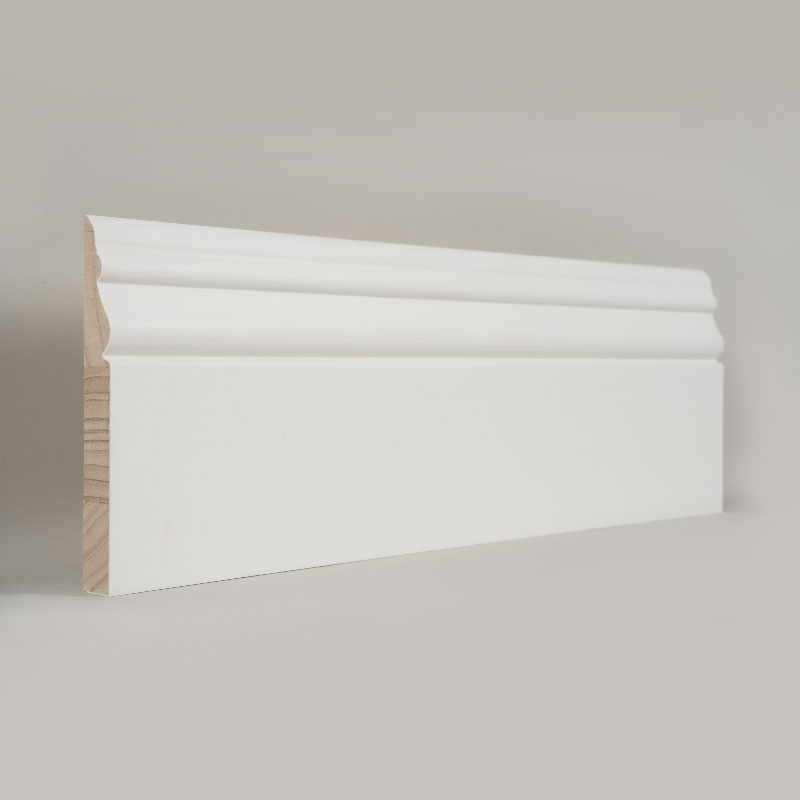
The use of white primed skirting board in modern interior spaces has become a standard practice in both residential and commercial environments. While its decorative value is often emphasized, its functional role in protecting walls from damage is equally significant. A well-designed white primed skirting board acts as a buffer between walls and the various forms of impact, abrasion, and moisture exposure that occur during daily use. The use of skirting boards is not new, but the introduction of factory-primed surfaces improves overall installation efficiency and coating uniformity.
Understanding the protective function of white primed skirting board
A white primed skirting board is installed at the junction between the wall surface and the floor. This position is central to its ability to act as a barrier against common causes of wall damage. The daily movement of furniture, cleaning tools, and foot traffic often results in contact with lower wall surfaces. Without a protective component in place, these repeated interactions can lead to scratches, dents, and long-term deterioration.
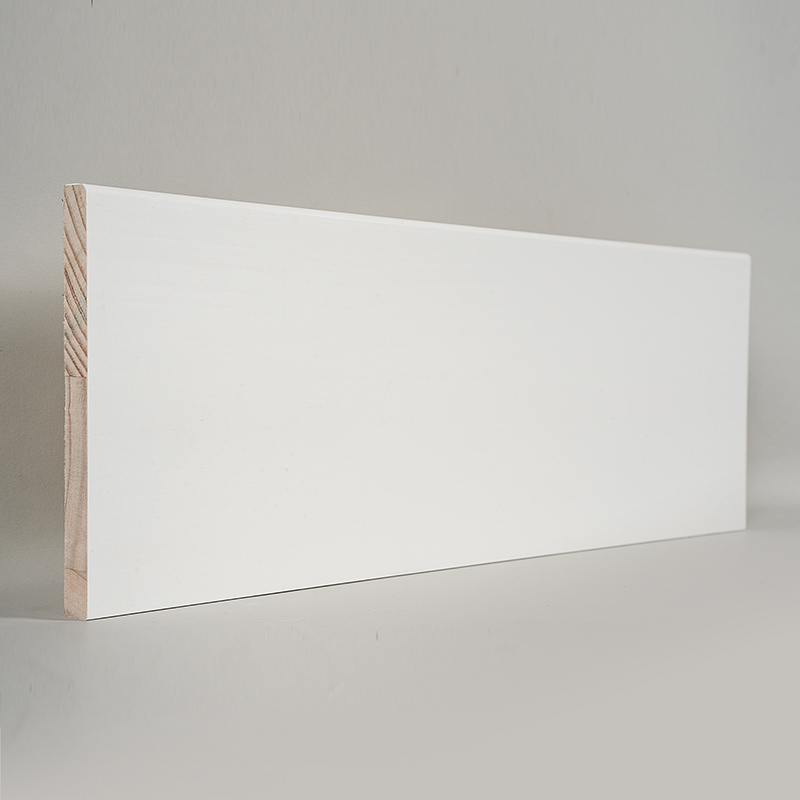
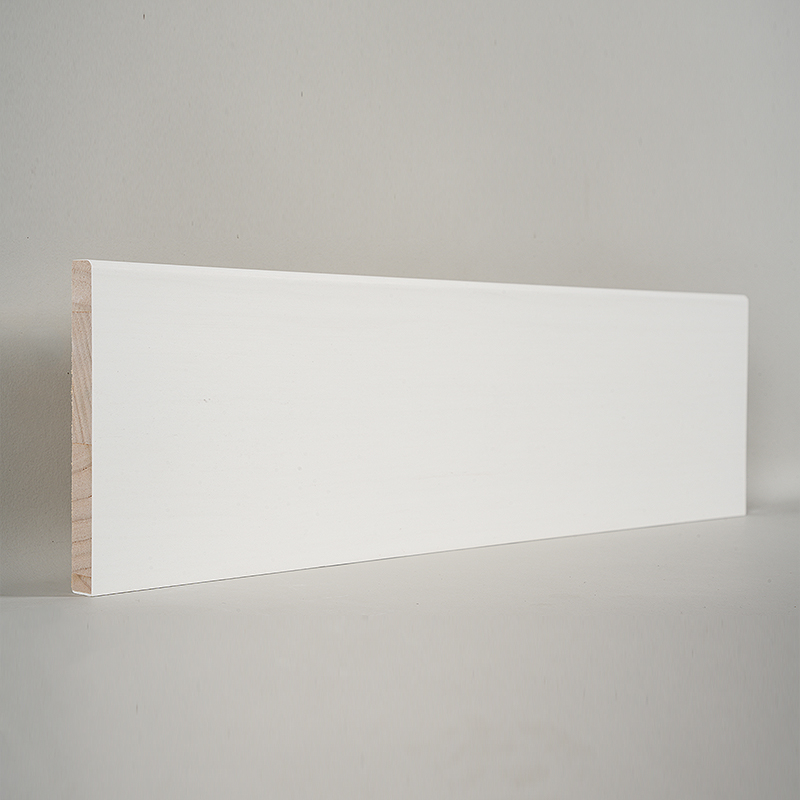
The application of a primer layer during manufacturing enhances the performance of a white primed skirting board by providing a smoother, more uniform surface that is ready for painting. While the primer is not directly responsible for structural protection, it ensures improved surface stability, coating adhesion, and long-term appearance—factors that indirectly support the board’s protective role.
The following sections examine the main ways in which a white primed skirting board provides protection.
Impact resistance and abrasion prevention
Walls are vulnerable to impact due to furniture legs, vacuum cleaners, trolleys, boxes, and other items that frequently come into contact with the lower area of a room. A white primed skirting board acts as a durable buffer that absorbs and disperses impact, preventing direct contact with the wall surface.
How it reduces physical damage
A typical wall consists of plaster, drywall, or masonry, all of which can easily chip or scratch under pressure. When exposed to consistent abrasion, paint and wall coatings may degrade, leading to costly maintenance. A white primed skirting board, especially one made from MDF or wood-based material, offers a stable, sturdy surface capable of withstanding repeated impact with minimal wear.
The primer layer is also beneficial because it contributes to surface hardening and prevents the substrate from absorbing paint unevenly. This improves resistance to minor scratches and ensures the final painted finish remains intact even after frequent cleaning.
Types of abrasion commonly prevented
- Light scratching from shoes or cleaning tools
- Repeated friction from moving chairs or furniture
- Dents caused by accidental collisions
- Paint wear from foot traffic contact
By placing a durable board at the lower part of the wall, the likelihood of long-term damage is greatly reduced.
Protection against moisture exposure
Moisture is a frequent concern in interior environments. While walls are generally designed to withstand some level of humidity, direct exposure at the base of the wall can cause paint bubbling, staining, or substrate deterioration. A white primed skirting board provides a barrier between the floor and the wall, reducing moisture migration during cleaning or accidental spills.
Moisture protection mechanisms
A primer coating acts as a sealing layer that reduces absorption. Although the primary function of the primer is to prepare the surface for the topcoat, its presence increases resistance to moisture penetration. As a result, a white primed skirting board becomes a more effective component for controlling humidity transfer compared to an un-primed board.
Areas where moisture resistance is especially relevant include:
- Kitchens
- Bathrooms
- Laundry rooms
- Rooms with frequent floor mopping
A properly installed white primed skirting board helps ensure that water does not directly seep into the lower wall surface, reducing the likelihood of mold growth or wall swelling.
Concealing gaps and structural inconsistencies
Floors and walls are rarely perfectly aligned. Small gaps are often present due to structural settling, variations in flooring installation, or material expansion and contraction. These gaps can become entry points for dust, insects, and moisture. A white primed skirting board covers these inconsistencies and establishes a clean visual boundary.
Why gap coverage contributes to wall protection
Hidden gaps allow debris accumulation, which accelerates wear on both flooring and wall surfaces. Dust accumulation may also interfere with the adhesion of wall coatings and create localized discoloration. By covering these gaps, a white primed skirting board maintains a stable separation between the wall and floor, making cleaning easier and preventing wall surface deterioration caused by trapped debris.
The even surface of a factory-primed board enhances the final finish, ensuring that the installation achieves both functional and aesthetic goals.
Providing a surface for finishes and coatings
Although the primary purpose of primer is not wall protection, the enhanced coating adhesion provided by the primer ensures that the skirting board maintains its protective functions over a longer period. A white primed skirting board accepts topcoats efficiently, allowing installers to apply paint or protective coatings that strengthen the board’s surface.
Benefits of improved coating adhesion
- Longer-lasting paint
- Enhanced resistance to staining
- Easier cleaning
- Improved durability in high-traffic areas
An un-primed board may absorb paint unevenly, resulting in weak spots that become vulnerable to damage. The primer coating standardizes surface porosity and ensures uniform paint performance.
Preventing cleaning-related wall damage
Cleaning tools frequently come into contact with lower walls, particularly in commercial spaces or homes with active daily routines. Direct contact between cleaning equipment and wall surfaces can lead to scuffing or chipping, especially if the wall paint is not designed to withstand abrasion.
A white primed skirting board offers a durable surface that can withstand:
- Contact with brooms
- Mopping and water splash
- Vacuum cleaner brushes
- Hard floor cleaning equipment
Since the board is often coated with paint designed for trim surfaces, it is more durable than standard wall paint. This reduces the likelihood of visible marks or wear.
Material composition and its role in protection
The protective performance of a white primed skirting board is influenced by the material used in its construction. Common materials include MDF, wood-based boards, and other composite materials. Each offers different levels of hardness, stability, and resistance.
Comparative table of material features
| Material Type | Hardness Level | Moisture Resistance | Durability | Stability |
|---|---|---|---|---|
| MDF | Moderate | Moderate | High | High |
| Wood-based board | High | Moderate-High | High | Variable |
| Composite board | Moderate-High | High | High | High |
The primer layer enhances performance across all material types by reducing surface porosity and ensuring consistent coating.
Installation quality and its impact on protection
Even a high-quality white primed skirting board cannot perform effectively if poorly installed. Proper installation ensures close contact between the board and the wall, preventing movement, reducing gaps, and maximizing protective performance.
Key installation considerations
- Secure fixing to prevent shifting
- Smooth joints to avoid catching or peeling
- Proper caulking to seal gaps
- Even painting to enhance surface durability
Incorrect installation may cause lifting, warping, or cracking, reducing the effectiveness of the board as a protective barrier.
Long-term durability and performance stability
Durability is one of the main reasons buyers search for terms such as durable white primed skirting board, impact-resistant skirting, and interior moulding for wall protection. A properly manufactured and installed white primed skirting board maintains its protective qualities for many years.
Factors contributing to long-term performance
- Material density
- Primer quality
- Moisture resistance
- Surface hardness
Environmental stability
High-quality primer improves the board’s resilience by reducing surface susceptibility to minor damage and strengthening paint retention.
Contribution to interior hygiene and cleanliness
Clean environments are essential in both residential and commercial settings. The lower wall area is prone to dirt accumulation, especially where the wall meets the floor. A white primed skirting board simplifies cleaning and reduces debris buildup.
Hygiene benefits
- Prevents dust from settling into gaps
- Provides a washable surface
- Reduces wall staining
- Limits bacteria accumulation in lower wall regions
Because primed surfaces accept paint smoothly, the final coating often includes washable properties suitable for routine maintenance.
Thermal expansion control and structural stability
Floors and walls experience expansion and contraction due to temperature fluctuations. Without a buffer, these movements can cause cracking or separation at the lower wall junction. A white primed skirting board helps mask minor shifts and prevents visible wall damage.
How the board accommodates movement
- Provides a flexible coverage zone
- Reduces stress on lower wall coatings
- Protects against expansion-related cracking
While it does not eliminate structural movement, it minimizes the visible effects and prevents surface deterioration.
Enhancing overall interior durability
Beyond its direct protective functions, a white primed skirting board contributes to overall durability by reinforcing a commonly vulnerable area of a building. When used consistently throughout a space, it establishes a uniform protective system that reduces maintenance needs and prolongs the lifespan of interior finishes.
Aesthetic consistency and visual protection
While the primary focus of this article is functional protection, aesthetics also contribute indirectly to wall preservation. A clean, well-finished lower wall area encourages regular maintenance and reduces the likelihood of unnoticed damage accumulation.
A white primed skirting board, with its smooth surface and crisp edges, provides a visual boundary that highlights any early signs of wear, allowing for timely maintenance before damage becomes significant.
Maintenance practices that extend protective performance
Even a durable white primed skirting board benefits from proper maintenance. Regular cleaning, timely repainting, and avoidance of harsh chemicals ensure that the board continues to provide protective performance.
Recommended maintenance actions
- Wipe regularly with a soft cloth
- Repaint when visible wear develops
- Avoid abrasive cleaning tools
- Inspect the caulking and joints periodically
These steps help preserve surface integrity and ensure long-term effectiveness.
Environmental conditions and performance adaptation
Environmental conditions such as humidity, temperature changes, and dust levels can influence the performance of interior components. A white primed skirting board offers balanced resistance to these conditions, contributing to stable interior finishes.
Environmental advantages
- Reduced susceptibility to minor humidity changes
- Lower risk of paint peeling
- Protection against air-borne dust settlement
The primed surface helps maintain stability by minimizing surface absorption.
How white primed skirting board integrates with different flooring types
Flooring materials vary widely—from tiles and laminate to wood and vinyl. A white primed skirting board adapts easily to different flooring systems and provides consistent protection regardless of material type.
Benefits of integration
- Covers expansion gaps
- Provides a clean joint transition
- Prevents moisture seepage from certain floor types
- Protects wall surfaces during floor maintenance
This versatility strengthens the board’s overall protective and functional contributions.
Conclusion
A white primed skirting board serves as a multifunctional component that enhances wall durability, protects against physical impact, reduces moisture exposure, and improves overall interior stability. Its primer layer strengthens surface preparation, allowing for consistent paint adhesion and surface resilience. Beyond protection, it contributes to aesthetic refinement, ease of maintenance, and improved environmental performance.
The combination of structural protection, enhanced finish quality, and practical maintenance benefits reinforces the board’s role as an essential interior component.
FAQs About white primed skirting board
1. Does a white primed skirting board require additional painting?
Yes. The primer prepares the surface, but a topcoat is recommended for full durability and appearance.
2. Is a white primed skirting board moisture-resistant?
It offers moderate moisture resistance due to the primer, but the final paint layer significantly enhances performance.
3. Can a white primed skirting board protect walls from furniture scratches?
Yes. It acts as a buffer, reducing the risk of scratches, dents, and abrasion.
4. What material is best for long-term durability?
MDF and wood-based boards both perform well. The choice depends on environmental conditions and design preferences.
5. Does installation affect its protective performance?
Proper installation is essential. Secure fixing, smooth joints, and correct caulking ensure optimal protection.