 English
 Español
Quarter round moulding is a widely used trim product in both residential and commercial interior design. Its primary function is to cover gaps between floors and baseboards while providing a visually pleasing finish. Traditionally, quarter round moulding has been made from wood, offering natural aesthetics and strength. However, pvc quarter round moulding has emerged as a modern alternative, offering unique advantages in durability, maintenance, and installation.
Material Composition and Properties
Wood Quarter Round Moulding
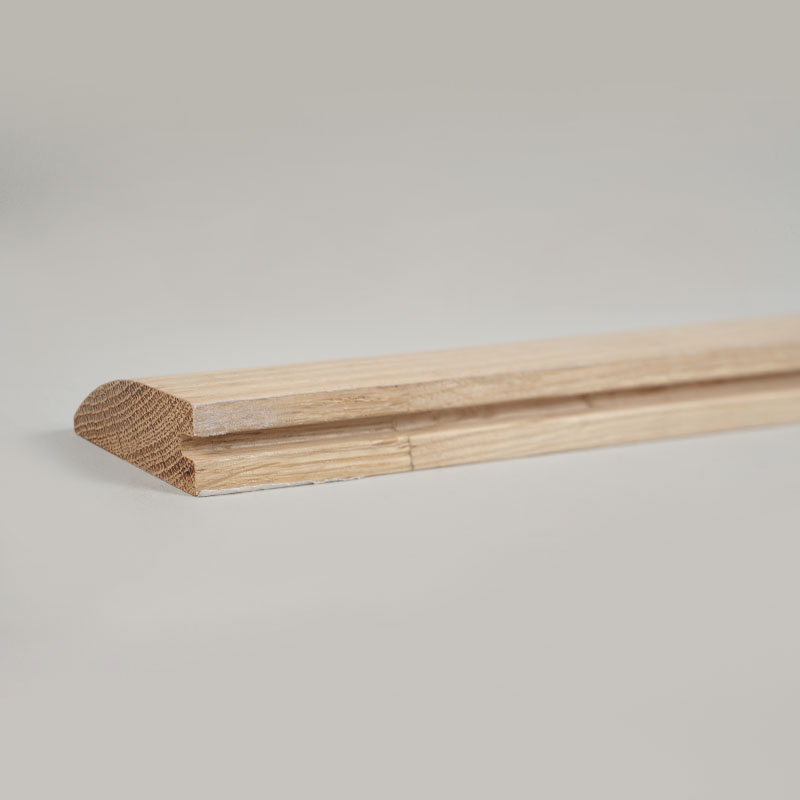
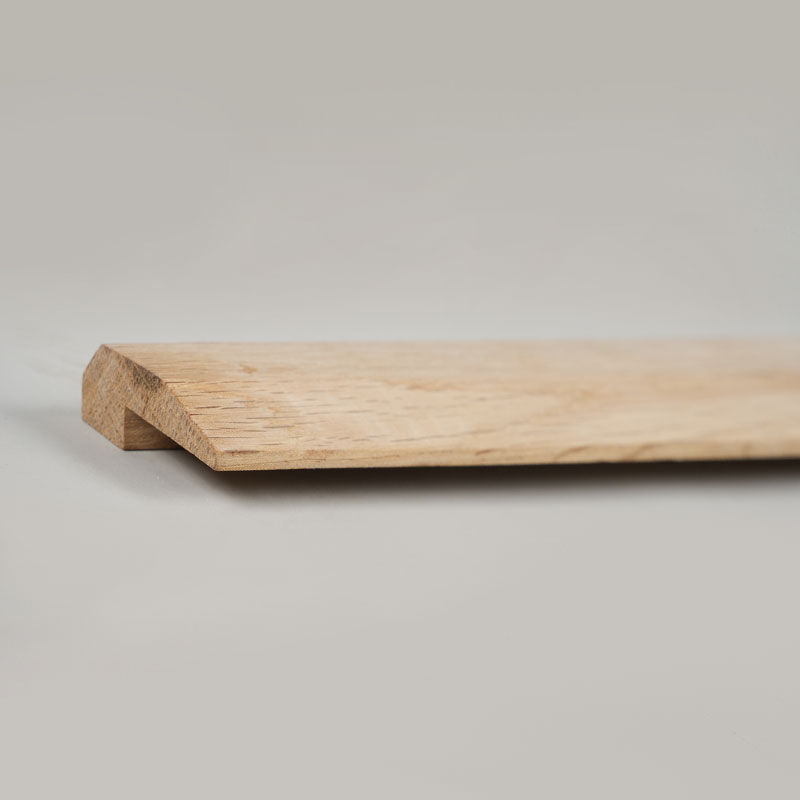
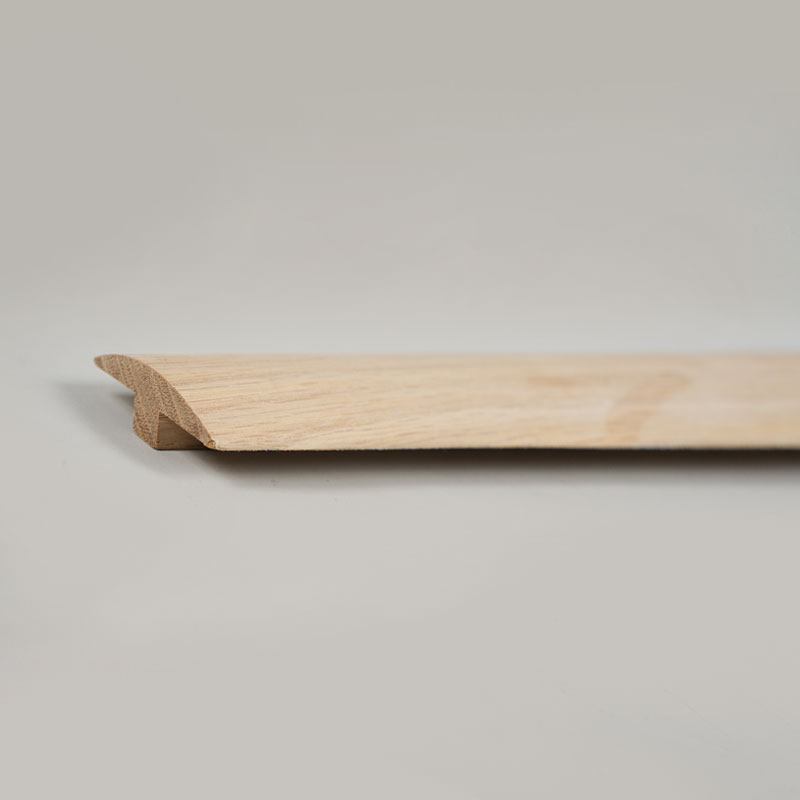
Traditional wood quarter round moulding is typically made from hardwood or softwood, such as oak, maple, pine, or poplar. These materials are valued for their natural appearance, strength, and ability to be painted or stained. Wood moulding provides a classic and timeless aesthetic that complements most flooring types.
- Durability: Hardwood quarter round moulding is highly durable, resistant to wear and impact in normal conditions. However, softwoods may be prone to dents or scratches.
- Environmental sensitivity: Wood is hygroscopic, meaning it absorbs and releases moisture. This can lead to expansion, contraction, or warping in areas with fluctuating humidity levels.
- Customization: Wood can be easily cut, shaped, sanded, or painted to match existing décor, offering high design flexibility.
PVC Quarter Round Moulding
PVC (polyvinyl chloride) quarter round moulding is manufactured from synthetic plastic materials. It is widely used in modern interiors due to its resilience and low maintenance.
- Durability: PVC moulding is highly resistant to moisture, insects, and rot, making it suitable for bathrooms, kitchens, and other high-humidity areas. It does not swell or warp like wood.
- Surface quality: PVC is available in a variety of pre-finished colors and textures, including wood-grain patterns. These finishes are consistent and require no painting.
- Flexibility: The material is more flexible than wood, allowing for easier installation around uneven surfaces or curved walls.
Comparison Table: Material Properties
| Feature | Wood Quarter Round Moulding | PVC Quarter Round Moulding |
|---|---|---|
| Moisture resistance | Low to moderate | High |
| Durability | High (hardwood) | Very high |
| Maintenance | Requires painting/staining | Low, usually no maintenance |
| Flexibility | Limited | High, suitable for curves |
| Aesthetic options | Natural grain, paintable | Pre-finished colors, wood-grain mimic |
Installation Considerations
Wood Quarter Round Moulding Installation
Installing wood quarter round moulding typically requires careful measuring, cutting, and nailing or gluing. Common installation challenges include:
- Expansion gaps: Wood requires allowance for expansion and contraction due to moisture changes.
- Joint alignment: Achieving perfect mitre or corner joints can be challenging, especially for less experienced installers.
- Surface preparation: Wood surfaces may require sanding or finishing prior to installation.
PVC Quarter Round Moulding Installation
PVC moulding simplifies installation due to its lightweight and flexible nature. Key points include:
- Ease of cutting: PVC can be cut with standard saws, and joints can be secured with adhesives or nails.
- No moisture-related adjustments: Unlike wood, PVC does not expand or contract with humidity changes, eliminating the need for special allowances.
- Adaptability: Its flexibility allows for installation along curved walls or uneven flooring surfaces, providing a smoother finish without complicated cutting techniques.
Maintenance and Longevity
Wood Quarter Round Moulding
- Cleaning: Requires gentle cleaning with non-abrasive products.
- Refinishing: Painted or stained wood may require periodic repainting or sealing to maintain aesthetics and prevent water damage.
- Susceptibility to damage: Scratches, dents, and moisture damage can compromise its appearance and durability.
PVC Quarter Round Moulding
- Cleaning: PVC moulding can be easily cleaned with water and mild detergents.
- Durability: Resistant to moisture, mold, rot, and insect damage, providing longer life with minimal maintenance.
- Appearance: Pre-finished surfaces do not require painting, reducing ongoing labor and costs.
Aesthetic and Design Options
While wood quarter round moulding offers a classic, authentic look due to natural grain, PVC moulding can mimic wood patterns and offer modern colors and finishes. Key design considerations include:
- Wood: Ideal for traditional or high-end interior designs. Can be painted, stained, or left natural to match flooring or furniture.
- PVC: Suitable for both modern and traditional interiors. Its uniformity and color options allow for a consistent look across multiple rooms.
- Versatility: Both options can be used to complement baseboards, crown moulding, and other decorative trim elements.
Cost Comparison
The overall cost of quarter round moulding depends on material, finish, and installation requirements.
- Wood moulding: Typically higher in material cost, especially for hardwood options. Installation may also be more labor-intensive due to precision cutting and finishing.
- PVC moulding: Often more affordable in both material and labor costs. Pre-finished surfaces reduce the need for painting and finishing, making it cost-effective for large projects.
Cost Table Comparison
| Feature | Wood Quarter Round Moulding | PVC Quarter Round Moulding |
|---|---|---|
| Material cost | Moderate to high | Low to moderate |
| Labor cost | Moderate to high | Low |
| Finishing requirement | High | Low |
| Long-term maintenance | Moderate | Low |
Practical Applications and Use Cases
Wood quarter round moulding is often preferred in areas where aesthetics and traditional appeal are priorities, such as:
- Living rooms
- Dining rooms
- Formal office spaces
PVC quarter round moulding is ideal for areas where durability, moisture resistance, and low maintenance are critical, such as:
- Bathrooms
- Kitchens
- Laundry rooms
- Commercial spaces with high foot traffic
Environmental Considerations
- Wood: Renewable and biodegradable, but may require treatment with chemicals to resist moisture or insects. Sustainable sourcing is important for environmentally responsible projects.
- PVC: Made from synthetic materials and is not biodegradable, but modern PVC moulding can often be recycled. It also reduces the need for repainting, lowering chemical usage over time.
Summary
Both wood and pvc quarter round moulding offer unique benefits. The choice depends on:
- Aesthetic preference: Wood offers authentic natural grain; PVC provides consistent pre-finished surfaces.
- Durability and maintenance: PVC is superior in high-moisture environments and requires minimal upkeep.
- Installation: PVC is easier to install, especially around curves or uneven surfaces.
- Cost considerations: PVC generally reduces both material and labor costs.
Ultimately, understanding these differences ensures that the selected quarter round moulding meets the functional, aesthetic, and budgetary needs of any project.
FAQs
Q1: Can PVC quarter round moulding be painted?
Yes, it can be painted if desired, but pre-finished surfaces usually do not require additional painting.
Q2: Does wood quarter round moulding warp over time?
Wood can warp or expand due to humidity changes, especially in softwoods, unless properly sealed and maintained.
Q3: Is PVC quarter round moulding suitable for outdoor use?
PVC is resistant to moisture and insects, but prolonged exposure to UV light may cause color fading. UV-protected PVC is recommended for outdoor applications.
Q4: Can I install quarter round moulding over existing baseboards?
Yes, both wood and PVC moulding can be installed over existing baseboards to cover gaps or improve aesthetics.
Q5: How do I clean PVC quarter round moulding?
Use mild detergent and water; avoid abrasive cleaners to maintain the surface finish.