 English
 Español
Defining the Terminology: Skirting Board vs. Baseboard
In the world of interior design and construction, terminology often shifts based on geographical location. The terms skirting board and baseboard essentially refer to the same functional element: a wooden or composite board covering the lowest part of an interior wall. However, their usage differs globally. In the United Kingdom, Australia, and parts of Europe, "skirting" is the standard term, whereas "baseboard" is predominantly used in North America.
Regardless of the name, the purpose remains consistent. These elements serve as a transition between the floor and the wall, covering the uneven gap that often occurs during construction. Beyond aesthetics, they provide a vital barrier against physical damage from vacuum cleaners, mops, and everyday foot traffic. Choosing a high-quality skirting board is essential for ensuring both the longevity of your wall finishes and the cohesive look of your room.
The Functional Role of Protective Moldings
To understand the difference, one must first understand the necessity of these moldings. Walls and floors are rarely perfectly square. When a hard floor (like timber or tile) is installed, a small expansion gap is required at the edges to allow for natural movement. The molding hides this gap seamlessly.
Protection Against Impact
Walls are susceptible to scuffs and dents. A standard vacuum cleaner can strike a wall with significant force. By installing a robust trim, you create a sacrificial layer that is much easier to clean or repaint than the drywall or plaster itself. Research into home maintenance suggests that homes with adequate wall protection see a 15% reduction in long-term wall repair costs.
Hiding Wiring and Imperfections
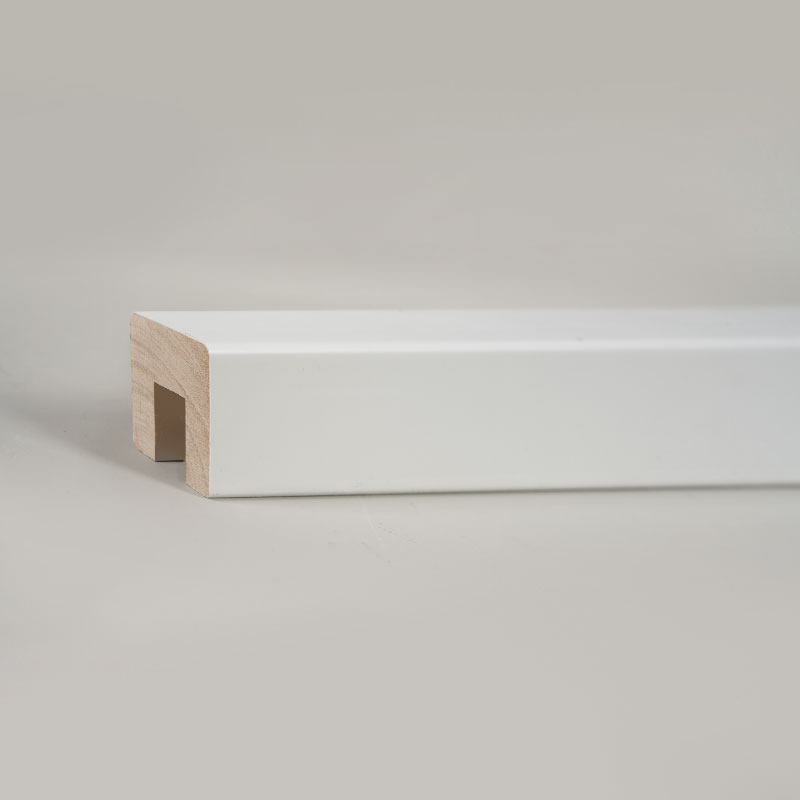
Modern interior design often utilizes these boards to hide unsightly cables. Many contemporary profiles feature a recessed back, allowing for the discreet routing of internet cables or speaker wires without the need to channel into the structural wall.
Key Differences in Material Composition
While the names differ, the materials used for both skirting and baseboards have evolved significantly. The choice of material impacts the cost, durability, and moisture resistance of the installation.
| Material Type | Durability | Moisture Resistance | Typical Use |
| MDF (Medium Density Fiberboard) | Moderate | Low (unless MR-rated) | Standard Bedrooms/Living areas |
| Solid Softwood (Pine) | High | Moderate | Traditional homes |
| Hardwood (Oak/Walnut) | Very High | High | Luxury interiors |
| PVC/Polymer | Very High | 100% Waterproof | Bathrooms and Kitchens |
MDF remains the most popular choice globally due to its cost-effectiveness and lack of natural knots. However, in regions where moisture is a concern, polymer or high-density water-resistant options are preferred to prevent swelling.
Design Styles and Architectural Impact
The visual impact of a skirting board cannot be overstated. It defines the "weight" of a room. A thin, simple board creates a minimalist, modern feel, while a tall, ornate board adds a sense of grandeur and history.
Traditional Profiles
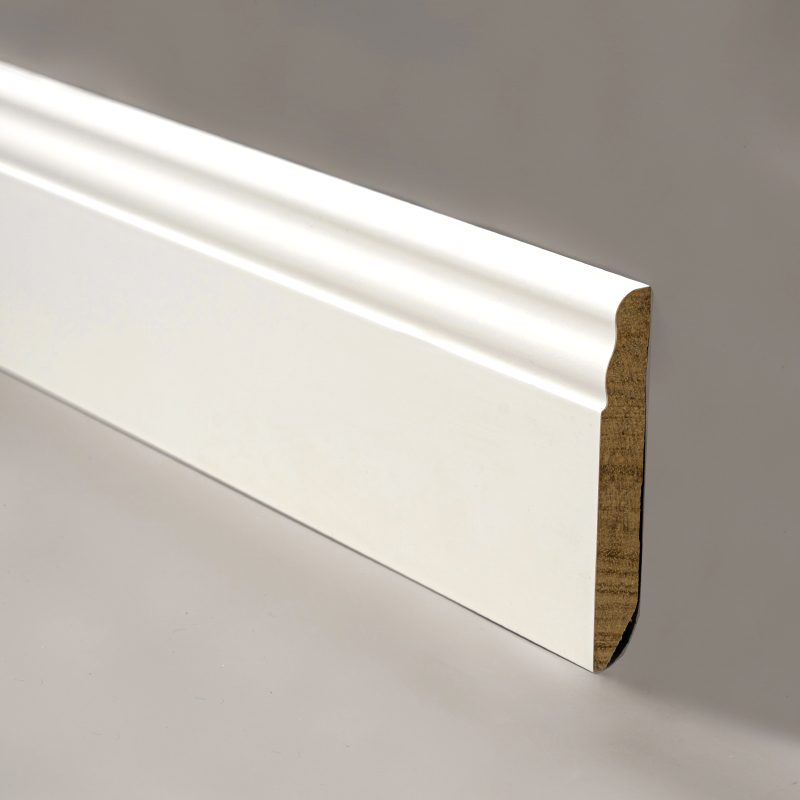
Traditional designs often feature intricate curves and "steps." Common styles include Ogee, Torus, and Bullnose. These are typically found in Victorian or Georgian-style homes where the ceiling heights are above 2.7 meters. In these taller rooms, a board height of 150mm to 200mm is often used to maintain visual proportion.
Contemporary and Minimalist Profiles
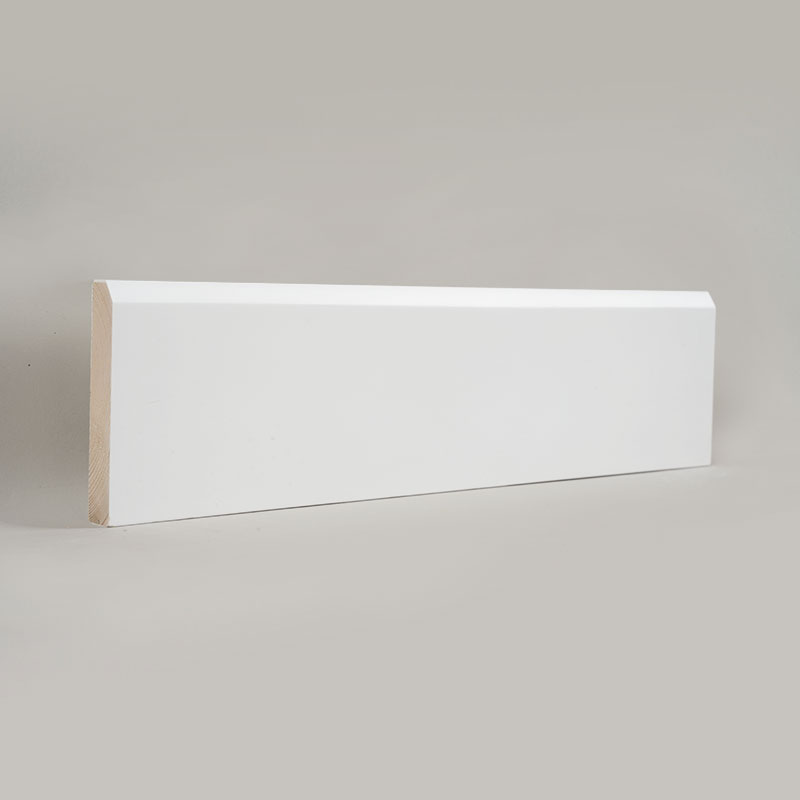
Modern homes tend to favor Square Edge or Chamfered profiles. These are easier to clean and provide a sharp, clean line that complements modern furniture. For rooms with standard 2.4-meter ceilings, a height of 70mm to 100mm is generally considered the most aesthetically pleasing choice.
Practical Installation Considerations
Installing these boards requires precision. Whether you call it skirting or a baseboard, the installation methods involve either mechanical fixing (nails/screws) or adhesive bonding.
- Mitred Joints: Used for external corners, where two boards meet at a 45-degree angle.
- Scribed Joints: Used for internal corners to ensure a tight fit even if the walls are not perfectly 90 degrees.
- Adhesive Application: High-grab adhesives are now commonly used to minimize visible nail holes on the surface.
Properly installed moldings can increase a property's perceived value by creating a "finished" look. Real estate data often suggests that attention to detail in trim work is a key indicator of a well-maintained home.
Maintenance and Longevity
To keep your boards looking new, regular cleaning is necessary. Because they sit at floor level, they attract dust and pet hair. Using a damp cloth with mild detergent is sufficient for most finishes. For wooden boards, a fresh coat of paint every 3 to 5 years ensures they continue to protect the wall effectively.
In high-traffic commercial environments, the use of metal or heavy-duty plastic skirting is more common. These materials can withstand the impact of heavy trolleys and industrial cleaning equipment without chipping or fading.
Frequently Asked Questions
Q1: Is there any physical difference between a skirting board and a baseboard?
No, they are different names for the same product. The choice of word depends on whether you are in the UK/Australia (Skirting) or North America (Baseboard).
Q2: What is the best height for a skirting board?
The ideal height depends on your ceiling. For standard 2.4m ceilings, 70mm-100mm works well. For ceilings over 2.7m, consider 145mm or higher.
Q3: Can I install skirting boards over existing flooring?
Yes, it is often preferred to install them after the flooring is laid to hide the expansion gaps of wood or laminate floors.
Q4: Should I paint my skirting board the same color as the wall?
This is a matter of style. Painting them the same color (monochrome) makes a room feel taller, while a contrasting white or off-white is a classic look that defines the room's shape.
Q5: Which material is best for bathrooms?
PVC or waterproof-treated MDF are the best choices for bathrooms as they will not warp or rot when exposed to steam and splashes.