 English
 Español
Understanding the Practical Necessity of Skirting Boards
When renovating or designing a space, many people view the installation of a skirting board as a mere finishing touch or a traditional habit. However, these architectural elements serve a multi-functional purpose that bridges the gap between structural necessity and aesthetic refinement. In professional construction and interior design, the baseboard is far more than a decorative strip; it is a sacrificial layer designed to preserve the longevity of your interior surfaces.
The primary reason for their existence stems from the way buildings are constructed. Floors and walls are rarely perfectly square, and materials like hardwood or laminate require expansion gaps to prevent buckling. Without a skirting board, these functional gaps would remain exposed, leading to a collection of debris and an unfinished appearance. Furthermore, the base of a wall is the most vulnerable area to physical impact from cleaning equipment, furniture, and general foot traffic.
Protection Against Physical Impact and Daily Wear
The most significant functional "point" of a skirting board is to act as a barrier. Walls, particularly those made of plasterboard or drywall, are relatively soft and easily damaged. In a typical household, the lower 10cm of a wall is a "high-traffic" zone for accidental kicks, vacuum cleaner bumps, and children's toys. Studies in residential maintenance suggest that walls protected by high-quality skirting boards require 40% less frequent repainting and patching near the floor level.
Consider the impact of a heavy vacuum cleaner. Without a protective barrier, the repeated striking of the machine against the plaster would lead to chipping and cracking. A skirting board, usually made of denser materials like MDF or solid timber, absorbs these shocks effortlessly. It is much easier and cheaper to wipe a scuff mark off a painted board than it is to repair a hole in a wall or sand down damaged plaster.
Moisture Barrier and Floor Maintenance
Beyond physical impact, skirting boards provide a vital defense against moisture. When mopping floors, water can easily seep into the junction where the wall meets the floor. If this moisture reaches the bottom of the drywall, it can lead to rising damp or the growth of mold. A properly sealed board prevents liquid from penetrating the wall structure, ensuring that the moisture stays on the surface where it can evaporate or be wiped away.
Covering the Structural Expansion Gaps
In the world of flooring installation, precision does not mean a "tight fit" against the wall. In fact, a tight fit is often a recipe for disaster. Materials like solid wood, engineered wood, and even certain laminates are "hygroscopic," meaning they expand and contract based on the humidity and temperature of the room. Professional installers must leave an expansion gap of approximately 10mm to 15mm around the perimeter of the room.
The skirting board provides the perfect solution to this structural requirement. It sits over the gap, hiding the raw edges of the flooring while allowing the floor to move freely underneath. This ensures the floor remains flat and stable over many years without revealing the unsightly void beneath the wall.
Hiding Uneven Wall and Floor Transitions
Even in modern constructions, walls are seldom perfectly straight. If you were to install flooring directly against a wall without a covering, the "wiggle" in the wall line would become glaringly obvious. The thickness of the board masks these inconsistencies, creating a crisp, straight horizontal line that gives the human eye a sense of order and architectural precision.
Aesthetic Enhancement and Architectural Proportion
From a design perspective, a room without a baseboard often looks "naked" or top-heavy. The skirting board serves as the visual foundation of a room, providing a transition between the vertical plane of the wall and the horizontal plane of the floor. This transition can be used to influence the perceived height and scale of a room. For example, in rooms with high ceilings, a taller board (150mm+) helps ground the space, whereas in smaller rooms, a shorter, sleeker profile (70mm) prevents the room from feeling cramped.
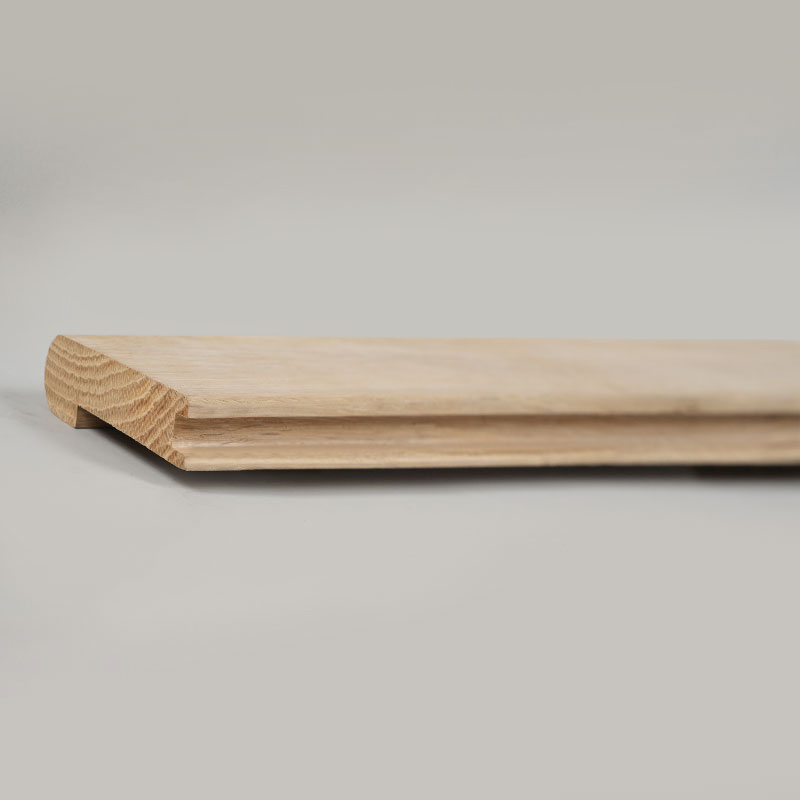
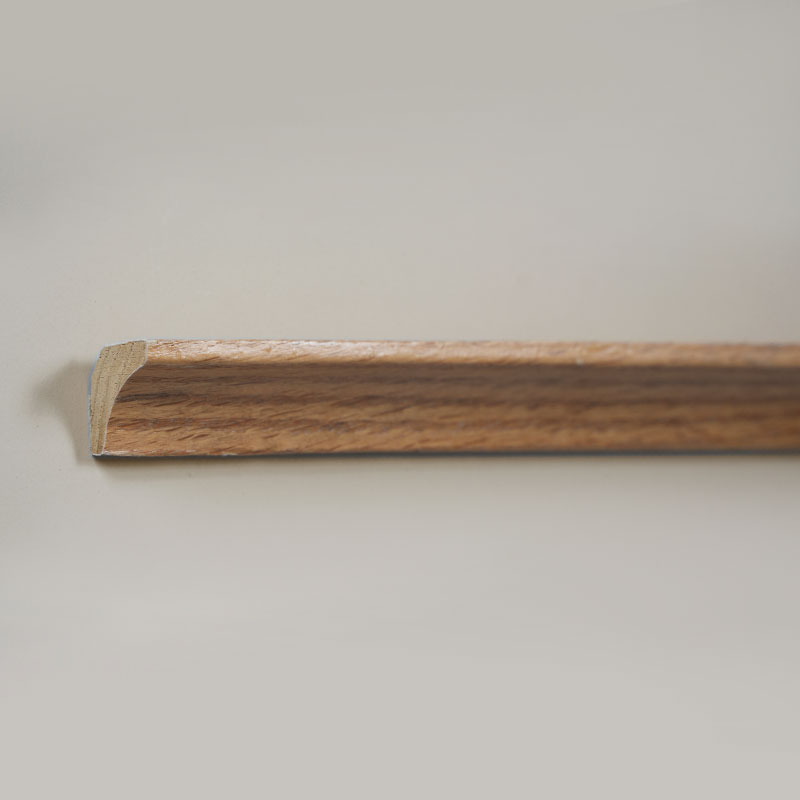
The choice of profile also dictates the "language" of the interior. A simple square-edge or pencil-round profile suggests a minimalist, contemporary vibe. In contrast, elaborate Ogee or Torus profiles evoke a sense of heritage and luxury. By matching the skirting to the architraves (the frames around doors), a designer creates a "continuous loop" of woodwork that ties the entire architectural scheme together.
| Ceiling Height | Recommended Board Height | Visual Effect |
| Standard (2.4m) | 90mm - 120mm | Balanced & Traditional |
| Low (2.1m) | 70mm - 90mm | Clean & Modern |
| High (3.0m+) | 145mm - 220mm | Grand & Stately |
Concealing Wiring and Cables
In the modern digital home, cables are an inevitable eyesore. Power leads, internet cables, and speaker wires can clutter a room and create tripping hazards. Many modern skirting boards are designed with a "rebate" or a hollow channel on the backside. This allows homeowners to run wires behind the board rather than having them visible along the floor or needing to chase them into the masonry of the walls.
This functionality is particularly useful in renovation projects where adding new wall sockets would be too invasive or expensive. By utilizing the space behind the board, you can distribute technology throughout a room while maintaining a clean, cable-free aesthetic. Using recessed skirting for cable management can reduce the visible clutter in a home office or entertainment room by up to 90%.
Common Materials and Their Benefits
The "point" of the board is often dictated by what it is made of. Different materials offer different levels of protection and longevity. While the primary goal remains the same, the material choice affects how the board performs in various environments.
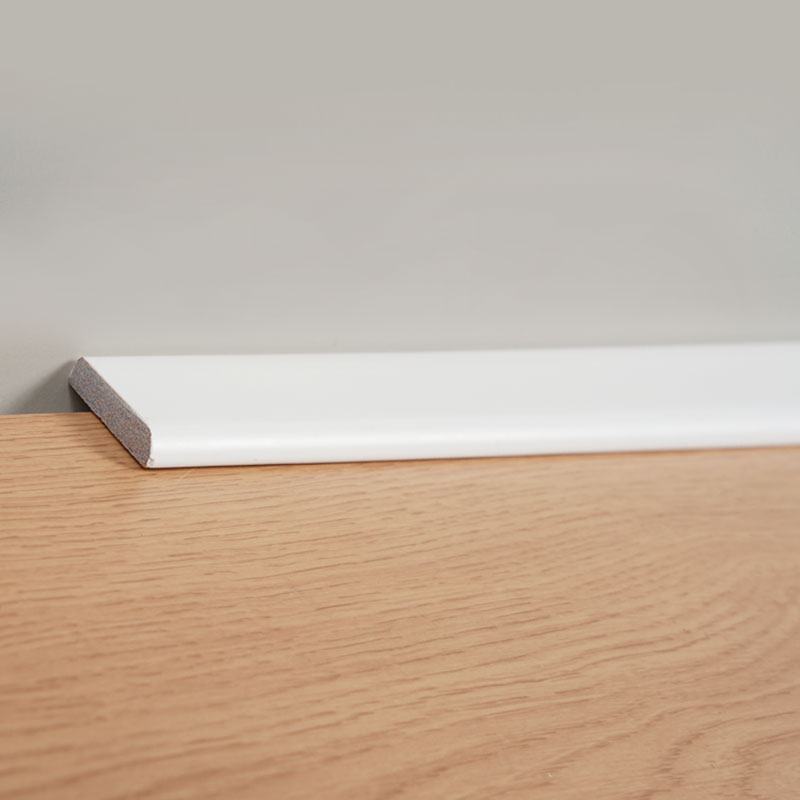
- MDF (Medium Density Fibreboard): The most popular modern choice. It is resistant to warping and swelling, providing a perfectly smooth surface for painting.
- Solid Timber: Offers a natural wood grain and superior strength. It is ideal for traditional homes where the wood will be stained rather than painted.
- Metal: Often used in commercial or ultra-modern settings. It provides maximum impact resistance and a sleek, industrial look.
- PVC: Completely waterproof, making it the perfect choice for bathrooms and kitchens where humidity levels are high.
Installation Best Practices for Maximum Efficacy
To ensure the skirting board fulfills its purpose, correct installation is key. This involves more than just nailing a piece of wood to the wall. Professionals use a combination of adhesive and mechanical fixings to ensure the board remains flush against the wall over time. [Image showing the cross-section of a skirting board installation with adhesive and nails]
One critical technique is the "scribed joint" for internal corners. Instead of a simple 45-degree miter, which can open up as the house settles, a scribed joint involves cutting the profile of one board into the face of another. This creates a much tighter, more professional finish that resists the visible effects of timber shrinkage. For external corners, a miter joint is standard, often reinforced with wood glue and fine nails to prevent the corner from splitting.
The Importance of Caulking and Sealing
The final step in making a skirting board effective is the "bead" of caulk along the top edge. This fills the tiny gap between the board and the wall, preventing dust from falling behind the board and creating a seamless visual transition. On the bottom edge, if the floor is uneven, a small bead of silicone or a matching floor trim can be used to ensure a completely sealed finish.
Frequently Asked Questions (FAQ)
Q1: Do I really need skirting boards if I want a minimalist look?
While you can opt for a "shadow gap" or "recessed" look, it is much more expensive and difficult to execute. For most homes, a very slim, square-edged board provides the minimalist look while still offering the necessary wall protection.
Q2: Should the skirting board match the floor or the wall?
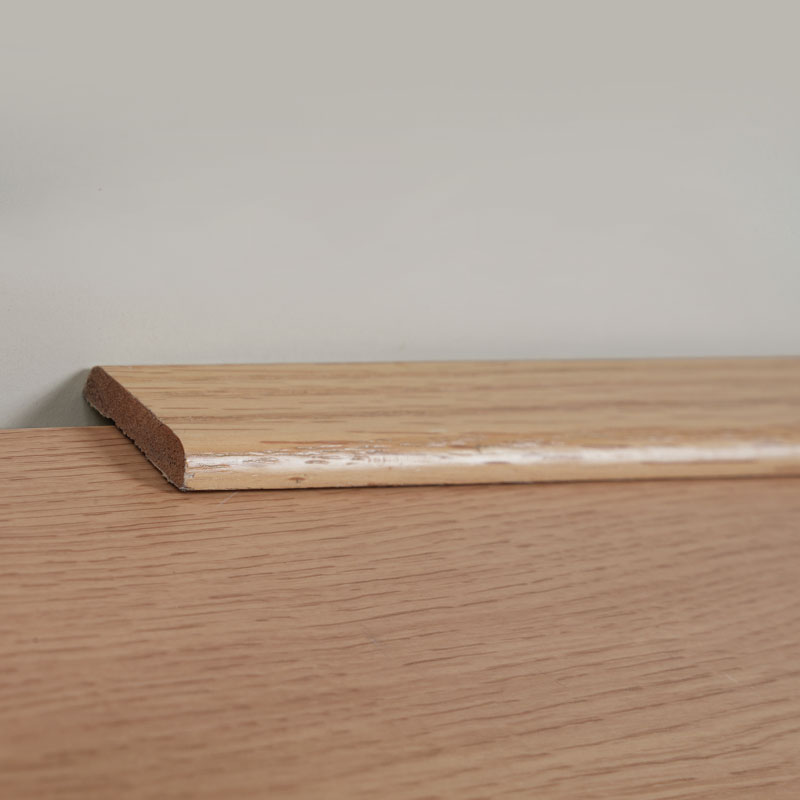
This is a design preference. Matching the wall (painting them the same color) makes the ceilings feel higher. Matching the floor (using wood finish) makes the floor area feel larger and more expansive.
Q3: How do I clean my skirting boards efficiently?
A vacuum with a brush attachment is best for dust. For scuffs, a damp microfiber cloth with mild soapy water usually suffices. Avoid soaking the boards, especially if they are made of MDF.
Q4: Can I install skirting boards over existing ones?
It is possible using "skirting covers" designed to fit over old boards, but for the best result and to avoid losing floor space, it is always recommended to remove the old ones first.
Q5: Why is there a gap appearing at the top of my skirting board?
This is usually due to the natural settling of the house or the wood drying out. It can easily be fixed by applying a fresh bead of flexible decorators' caulk and a touch-up of paint.