 English
 Español
Coving is a type of moulding — not a separate category. Moulding is the broad term for any decorative trim strip used in construction and interior design. Coving refers specifically to a concave, curved profile installed at the junction between a wall and a ceiling. So while all coving is moulding, not all moulding is coving.
In practical terms, when people ask about the difference, they usually want to know when to use a cove profile versus other moulding shapes — especially for corners, transitions, or decorative finishing work in wood.
What Is Moulding?
Moulding (also spelled "molding") is a general term for any long, narrow strip of material shaped with a profile — flat, curved, stepped, or ornate — used to cover joints, finish edges, or add visual interest to a space. Mouldings can be made from wood, MDF, plaster, polyurethane, or PVC.
Common moulding types include:
- Crown moulding – installed at the ceiling-wall junction at an angle
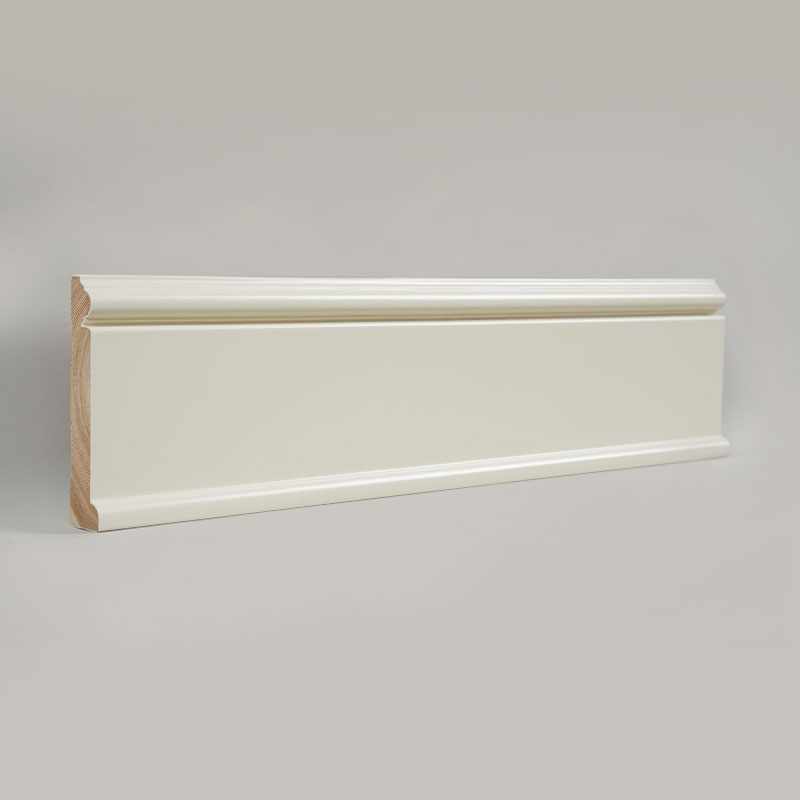
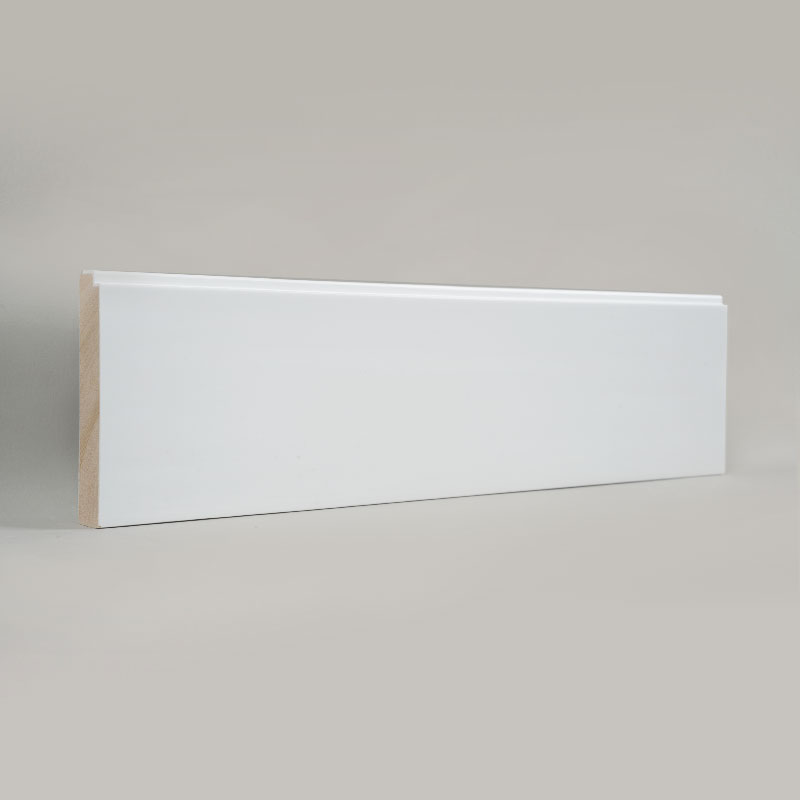
- Baseboard moulding – runs along the base of walls
- Casing moulding – frames doors and windows
- Chair rail – runs horizontally along the mid-wall
- Cove moulding – features a concave curved profile
- Scotia moulding – a quarter-round concave shape used at inside corners
Each type serves a different visual and functional role. The profile shape defines both the name and the appropriate use case.
What Is Coving?
Coving refers to moulding with a concave (inward-curving) profile. Traditionally, the term "coving" is more common in British English and usually describes plaster or gypsum strips fitted at the ceiling-wall angle. In North American usage, the equivalent is typically called "cove moulding" or "cove molding."
The defining feature of coving is its curved hollow shape — a smooth concave arc that transitions between two surfaces. This shape is both decorative and practical: it hides the joint where two planes meet and softens sharp interior angles.
Coving is commonly used:
- At ceiling-to-wall junctions in living rooms and bedrooms
- As inside corner trim in cabinetry and furniture
- Beneath countertops or shelves as a decorative transition
- Along stair stringers and risers for a finished look
Key Differences Between Coving and Moulding
The table below summarizes the main distinctions to help you choose the right term and product:
| Feature | Moulding (General) | Coving (Specific Type) |
| Scope | Broad category | A specific moulding profile |
| Profile Shape | Flat, curved, ornate, stepped — any | Concave (hollow curve) |
| Typical Location | Walls, ceilings, floors, doors, windows | Wall-ceiling junctions, inside corners |
| Common Material | Wood, MDF, plaster, PVC | Plaster, gypsum, wood |
| Regional Term | Used globally | More common in British English |
| Example Product | Crown, baseboard, casing | Cove molding, scotia moulding |
What Is Wood Cove Molding?
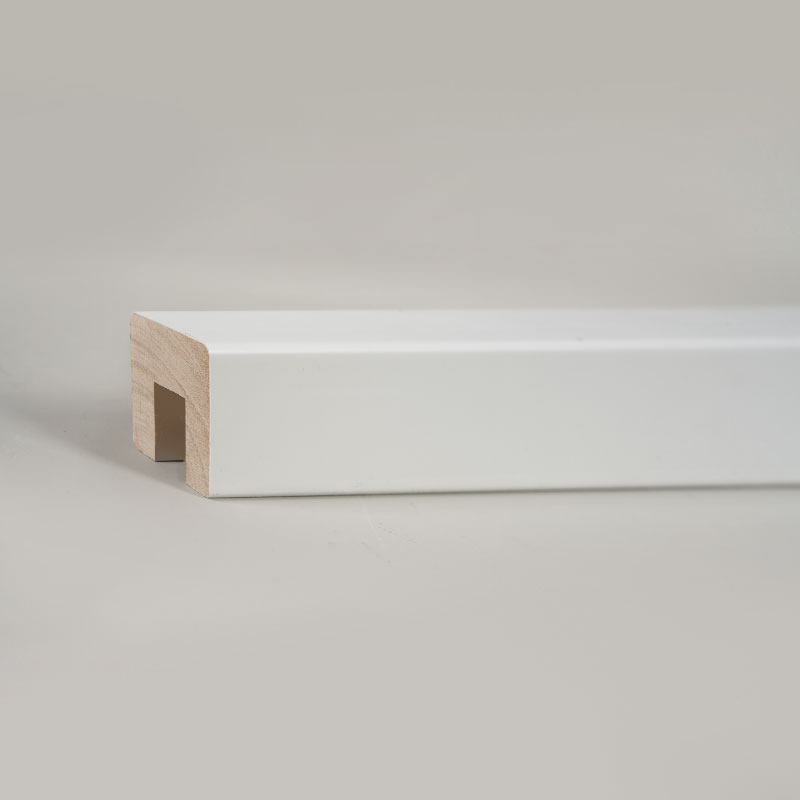
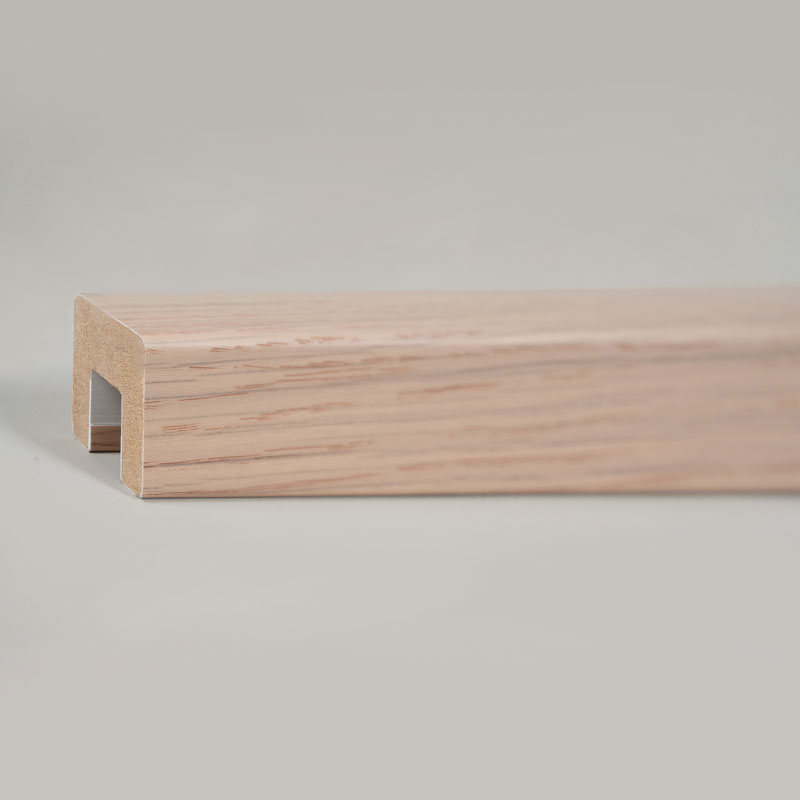
Wood cove molding is a solid wood or engineered wood strip with a concave profile, used primarily for interior finishing. It's one of the most popular forms of coving because wood offers durability, a natural finish, and the ability to be painted or stained to match any interior.
Wood cove molding is most commonly used in these situations:
- Cabinet toe kicks and face frames — fills the gap between cabinet panels for a seamless look
- Inside corners on walls — hides imperfect joints where walls meet
- Furniture construction — adds a finished edge to shelves, tabletops, and built-ins
- Stair installations — covers the joint between tread and riser
A typical wood cove molding profile has a depth and height ranging from ¾ inch to 1¾ inches, with the most common size being approximately 1 inch × 1 inch. Larger profiles are available for more dramatic architectural effects.
For inside corners specifically, solid wood inside corner moulding (scotia moulding) is the go-to choice — it's precision-milled for a tight fit where two surfaces meet at 90 degrees, making installation cleaner and more professional.
Wood Cove Molding vs Other Wood Moulding Profiles
It helps to compare wood cove molding against related profiles that are often confused with it:
Cove Molding vs Quarter Round
Quarter round has a convex (outward curving) profile — it's like a quarter of a cylinder. Cove molding has a concave profile — it curves inward. Quarter round sits flush in outside corners; cove fits naturally in inside corners and wall-ceiling transitions.
Cove Molding vs Scotia Molding
Scotia moulding is sometimes considered a sub-type of cove moulding. Both are concave, but scotia has a slightly S-shaped or deeper hollow compared to the simple arc of standard cove molding. Scotia is particularly popular as inside corner trim in the UK, while cove molding is more common in North America.
Cove Molding vs Crown Molding
Crown molding is installed at an angle (typically 38° or 45°) between wall and ceiling, creating a triangular void behind it. Cove molding sits flat against both surfaces with no void — it's simpler to install and requires no compound miter cuts for basic applications.
How to Choose the Right Wood Cove Molding
When selecting wood cove molding for a project, consider these practical factors:
- Wood species: Pine is budget-friendly and easy to paint. Oak and maple are harder, take stain well, and suit natural-finish projects.
- Profile size: Match the scale of your space. Small rooms benefit from ¾"–1" profiles; larger rooms can handle 1½" or wider.
- Finish intent: If painting, finger-jointed pine is economical. If staining, choose clear or select-grade solid wood.
- Installation location: For inside corners, use a dedicated inside corner or scotia profile for the best fit. For ceiling-wall transitions, a wider cove profile works better.
- Moisture exposure: In bathrooms or kitchens, choose a moisture-resistant wood species or consider primed MDF alternatives.
Installation Tips for Wood Cove Molding
Installing wood cove molding is a manageable DIY task with the right preparation:
- Measure twice: Always measure each run individually — walls and ceilings are rarely perfectly square.
- Use a miter saw: Cut inside corners at 45° for a clean joint. For outside corners, cope or miter depending on your skill level.
- Nail into studs or blocking: Use finish nails and a nail gun where possible. For ceiling applications, locate joists first.
- Fill gaps with caulk: After nailing, run a thin bead of paintable caulk along both edges before painting.
- Sand before finishing: Light sanding with 120-grit followed by 180-grit ensures a smooth, paint-ready surface.
For inside corner applications, pre-cut the molding slightly longer than measured and test-fit before final nailing — wood expands slightly and a snug fit prevents gaps over time.
Frequently Asked Questions
Q1: Is coving the same as crown molding?
No. Coving sits flat against both the wall and ceiling with no void behind it. Crown molding is spring-mounted at an angle, creating a triangular space. Coving is simpler to install.
Q2: Can wood cove molding be used outdoors?
Generally no. Standard wood cove molding is for interior use. For outdoor applications, use treated wood, PVC, or composite profiles specifically rated for exterior exposure.
Q3: What is the standard size of wood cove molding?
The most common sizes range from ¾" × ¾" to 1¾" × 1¾". The 1" × 1" size suits most cabinetry and interior corner applications.
Q4: What is the difference between cove molding and scotia molding?
Both are concave profiles. Scotia molding has a deeper or slightly S-shaped hollow, while cove molding has a simpler single-arc concave shape. Scotia is commonly used as inside corner trim.
Q5: How do I join two pieces of wood cove molding at an inside corner?
Cut both pieces at 45° miter angles so they form a tight 90° joint. Alternatively, cope one piece to fit over the profile of the other for a more durable, paint-friendly joint.
Q6: Can I paint wood cove molding?
Yes. Sand the surface, apply a wood primer, then finish with latex or oil-based paint. For a natural look, use wood stain followed by a clear topcoat instead.