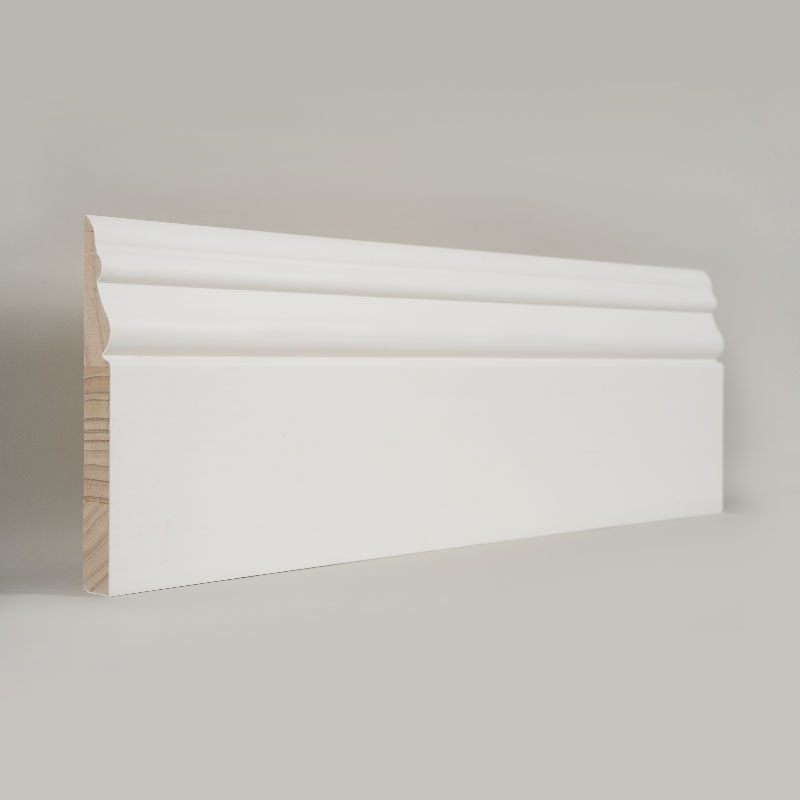
Pine Skirting Board (Filler-Primed & Pearl White) 3/5" x 5"
Specifications mm Length 2440 Width 127 Thickness 15 Core material Radiata pine Surface T...
View More →HUICHENG DECOR / PRODUCT TOPICS
Polyester Fibre Acoustic Board is a sound-absorbing interior panel material designed to improve acoustic comfort in commercial and residential spaces. Made from polyester fibre materials, these boards are commonly used for wall decoration, acoustic treatment, office interiors, meeting rooms, and public spaces requiring both functional sound control and decorative design.
PRODUCT CONNECTIONS
Specifications mm Length 2440 Width 127 Thickness 15 Core material Radiata pine Surface T...
View More →
Specifications mm Length 2400/2700 Width 600 Thickness 21 Core material Polyester fiberboar...
View More →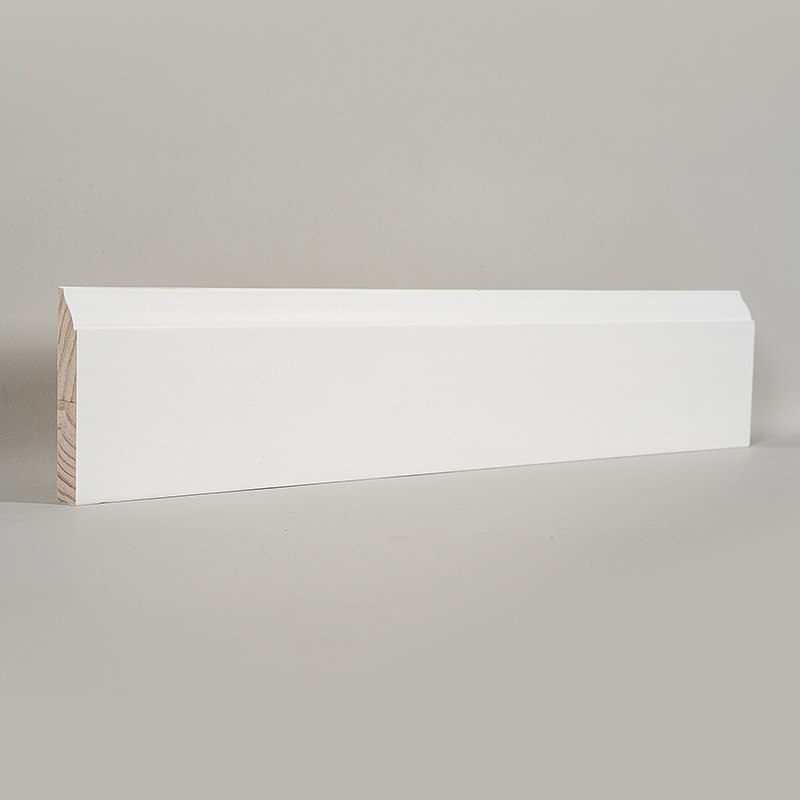
Specifications mm Length 2440 Width 82.6 Thickness 15 Core material Radiata pine Surface ...
View More →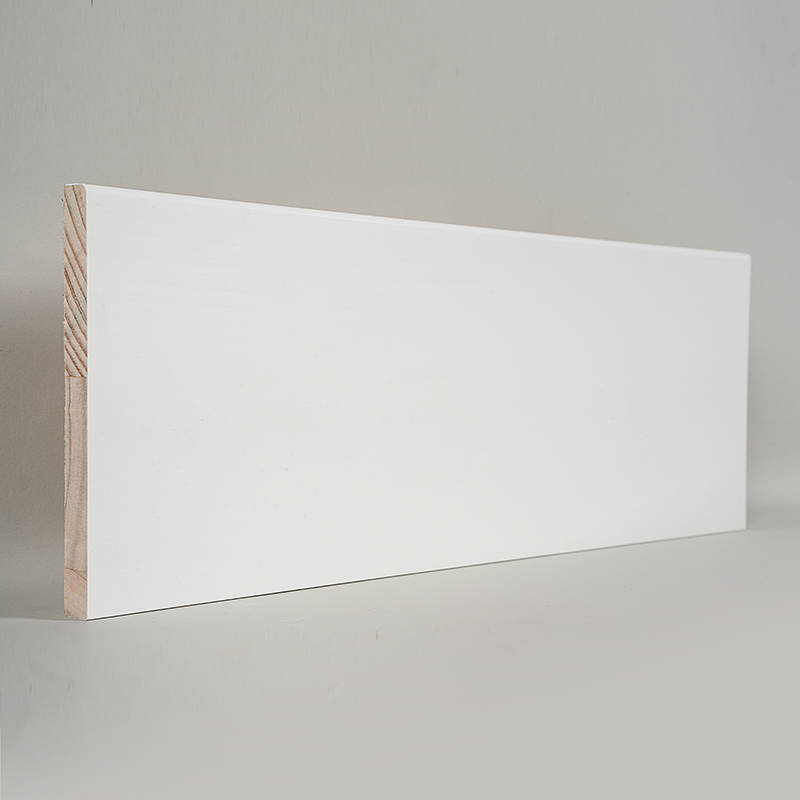
Specifications mm Length 2440 Width 140 Thickness 12 Core material Radiata pine Surface T...
View More →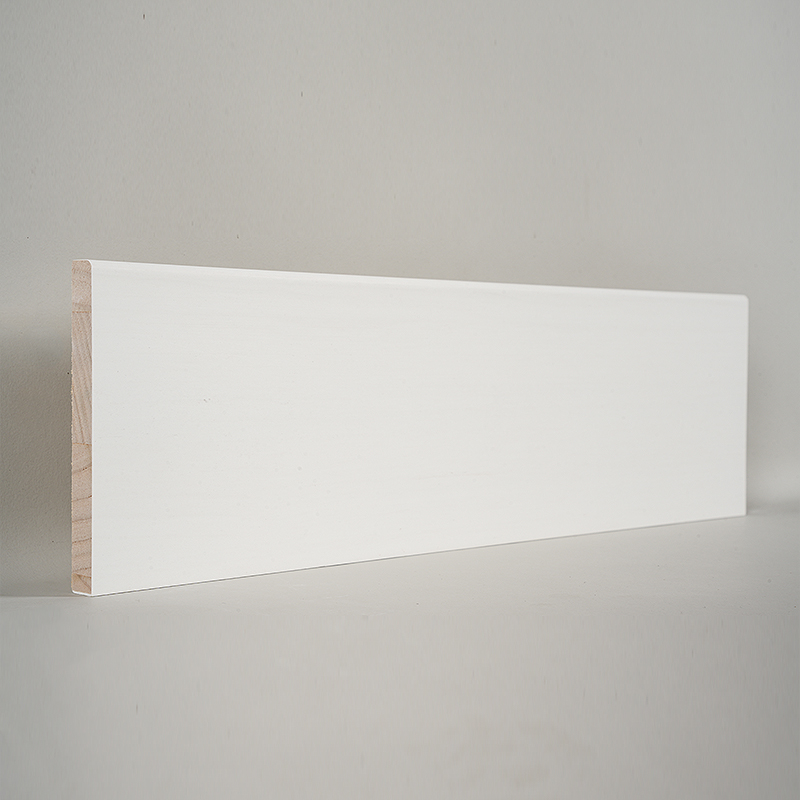
Specifications mm Length 2440 Width 114.5 Thickness 12 Core material Radiata pine Surface...
View More →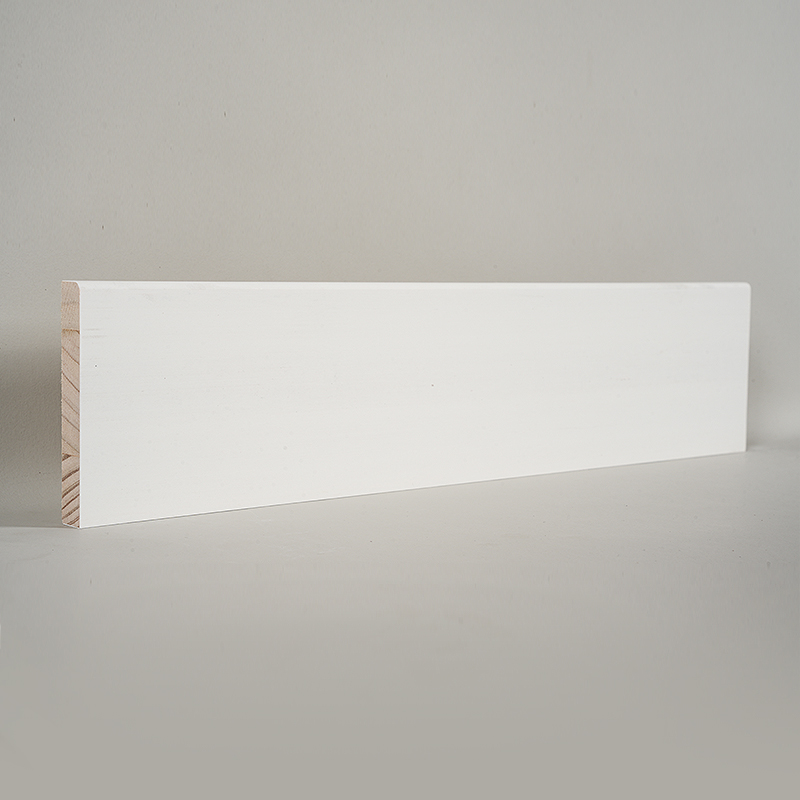
Specifications mm Length 2440 Width 89 Thickness 12 Core material Radiata pine Surface Tr...
View More →TOPIC OVERVIEW
Key considerations for material selection, profile design and project planning.
Polyester fibre acoustic board is a rigid, lightweight sheet made from polyester (PET) fibres that are compressed and bonded into a porous panel. It is used behind or as part of interior wall and ceiling finishes to absorb sound inside a room, reducing echo and reverberation in offices, meeting rooms, restaurants, studios and home theatres.
In wooden grille wall and slat panel systems, the board forms the sound-absorbing backing behind the slats. Sound passes through the gaps, enters the porous fibre and loses energy, while the visible slats provide the decorative surface. The sections below explain how the board works, how it compares with other acoustic cores and what buyers should confirm before ordering.
Sound is a pressure wave. When it meets a hard surface most of it reflects, which is what creates echo. A porous board works differently: the wave enters the network of fibres, and friction between moving air and the fibre surfaces converts part of the sound energy into a very small amount of heat.
Entry. Sound passes through the slots or surface covering and reaches the board.
Friction. Air movement inside the fibre network dissipates energy.
Reduced echo. Less sound returns to the room, so speech becomes clearer.
Low weight compared with mineral wool or wood-based boards, which simplifies handling and wall fixing.
Compressed and bonded fibres form a self-supporting panel that holds its shape when cut and mounted.
Polyester fibre does not release the sharp particles associated with glass or mineral fibre, which makes cutting more comfortable.
Polyester does not absorb water readily, so the board is less affected by humidity than wood-based cores, although it remains an interior product.
Many boards are bonded with heat using low-melt fibres rather than liquid resin. Buyers should confirm the bonding method and emission test results.
Some boards use recycled PET fibre. The percentage and documentation should be requested if recycled content is a project requirement.
| Aspect | Polyester Fibre Board | Mineral Wool | Open-Cell Foam | Perforated Wood Panel |
|---|---|---|---|---|
| Handling comfort | Low dust, comfortable | Can irritate skin and airways | Comfortable | Normal timber dust |
| Weight | Light | Medium to heavy | Very light | Heavy |
| Response to moisture | Does not absorb water readily | Can lose performance when wet | Varies by type | Wood moves with humidity |
| Rigidity | Self-supporting sheet | Needs a frame or facing | Soft, needs support | Rigid |
| Fire performance | Depends on treatment and test | Generally non-combustible | Depends on type | Depends on board |
| Typical use | Slat wall and panel backing | Cavities and ceilings | Studio treatment | Perforated wall panels |
Sound absorption is measured in a reverberation room, using methods such as ISO 354, and a single rating can be calculated from the results using ISO 11654. The factors below influence the numbers that appear in a test report.
Wooden or composite slats fixed over a polyester fibre backing. The slat gaps allow sound to enter the board.
The board wrapped in fabric or veneer, used as a wall or ceiling tile.
Hanging strips that add absorbing surface in open ceilings.
Boards cut into shapes for decorative acoustic feature walls.
Controls conversation noise and improves speech privacy between desks.
Reduces echo to improve clarity in calls and presentations.
Lowers the overall noise level in hard-surfaced rooms.
Controls reflections for clearer playback and recording.
Supports speech intelligibility for listeners at the back.
Combines a decorative wood finish with a calmer sound environment.
It is a rigid sheet made from polyester fibres bonded into a porous structure. It is used to absorb sound in interior spaces, often behind slats or under fabric and veneer finishes.
No. Absorption reduces echo within a room, while soundproofing limits sound passing between rooms. Soundproofing needs mass, airtight construction and decoupling.
Many boards use heat bonding with low-melt fibres, while others use resin binders. Ask the manufacturer which method applies to the board offered.
Polyester fibre does not release the sharp particles linked to glass or mineral fibre, so it is generally more comfortable to cut. Standard dust control and cutting precautions still apply.
Fire performance depends on fibre treatment and on the finished assembly, including slats and adhesives. Request test reports for the classification required in your market.
Thickness, density, mounting method, the air gap behind the board, and the openness of any slat surface all play a role, as does the share of wall or ceiling that is covered.
Yes. This is a common construction, in which slats provide the decorative face and the polyester board behind them absorbs sound that passes through the gaps.
Polyester fibre does not absorb water readily, but wooden slats, adhesives and fixings may still be affected by humidity. Treat the whole assembly as an interior product and check each component.
Use a sharp knife or fine blade, support the sheet fully and avoid compressing the fibres when fixing. For slat systems, set out the joints before cutting to keep gap spacing even.
Provide panel size, slat style, surface finish, board colour and thickness, quantity, test report needs, packing requirements and destination. A project drawing or sample is helpful.

ABOUT THE MANUFACTURER
Huzhou Huicheng Home Technology Co., Ltd. is China wholesale Polyester Fibre Acoustic Board manufacturers and Polyester Fibre Acoustic Board suppliers, manufactures wooden skirting boards, crown mouldings, wooden acoustic wall panels, Polyester Fibre Acoustic Board and customized decorative mouldings. Founded in 2002 in Nanxun, Huzhou, known as the Capital of Wooden Flooring, the company supplies eco-friendly wood products to customers worldwide.
With precision moulds, CNC machining and in-house quality inspection, the team can reproduce complex European, American, French and modern minimalist profiles and discuss material, dimension and surface treatment requirements for each project.
FROM DRAWING TO DELIVERY
A coordinated workflow covers profile development, machining, surface finishing and inspection, so specifications stay consistent from sample to bulk order.
OEM drawing processing and ODM design support, backed by precision moulds and CNC machining, turn a cross-section into a production profile.
Solid wood and MDF substrates are machined to shape, with wood veneer or PVC wrapping applied where a different surface is required.
An automated putty coating line, UV vacuum spraying and UV printing roll coating deliver filler-primed, painted or printed surfaces.
Finished profiles are checked, packed and stored in the company warehouses, then prepared for domestic and export shipment.
MANUFACTURING & SERVICE
From profile development to delivery coordination, Huzhou Huicheng Home Technology Co., Ltd. focuses on production consistency, flexible customization and responsive project communication.
Coordinated material sourcing, manufacturing and final delivery help maintain consistency across orders.
Materials, sizes, profiles and colours can be tailored to your drawings, from small-scale developments to larger commercial orders.
Mature mould and CNC machining technology supports accurate reproduction of complex decorative profiles.
Putty coating, UV vacuum spraying, UV printing and veneer or PVC wrapping give a wide range of surface options.
Daily capacity above 15,000 metres, including more than 8,000 metres of coated products, supports repeat orders and project schedules.
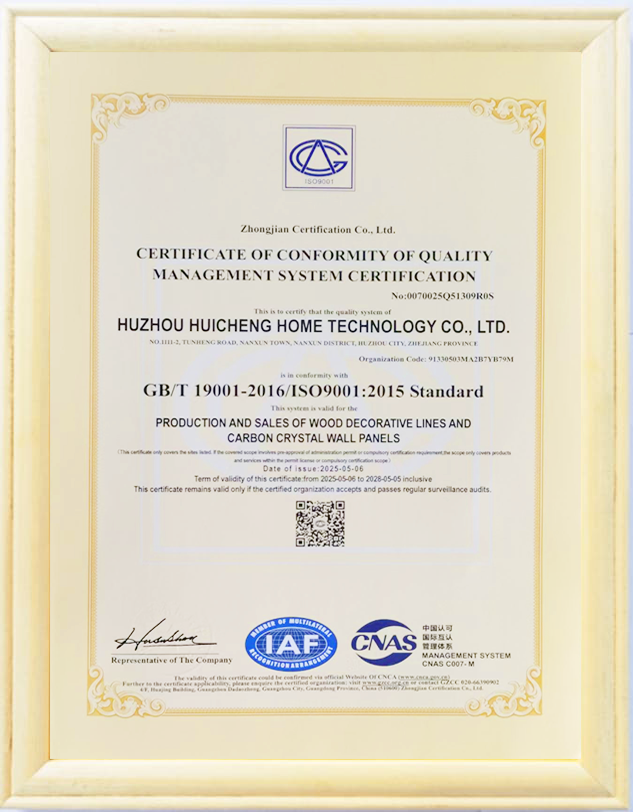
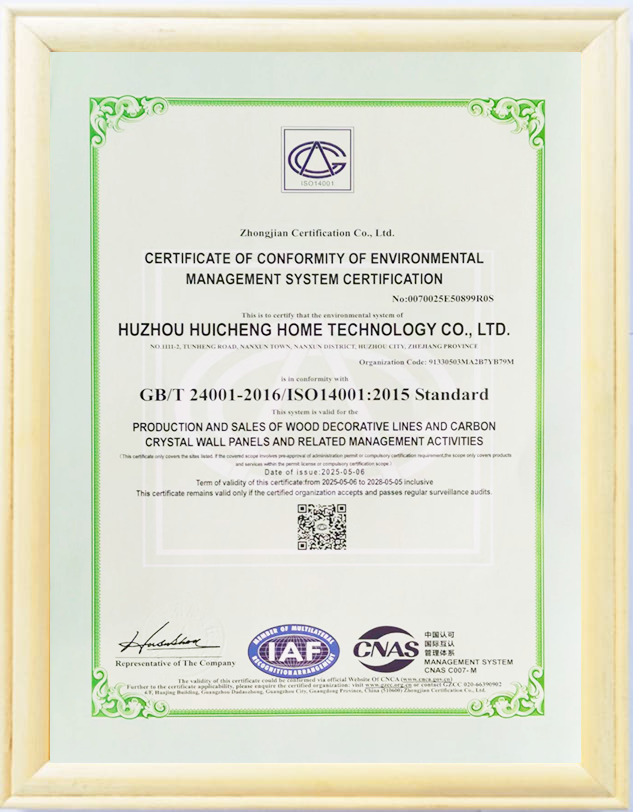
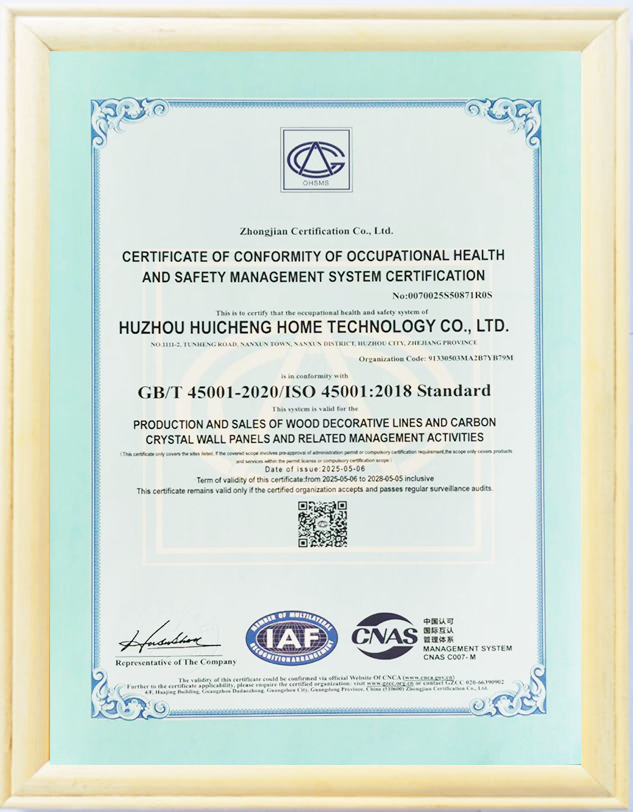
Inspection across production stages, supported by ISO 9001, ISO 14001 and ISO 45001 certificates, helps catch deviations early.
Shipment preparation and delivery arrangements support domestic and international purchasing workflows.
Support for initial enquiries, specifications and after-sales questions helps buyers manage ongoing cooperation.
INSIDE THE FACTORY
Our own production workshops and warehouses are equipped with complete production and quality inspection equipment. Select any photo to view it full size.
Factory building, Nanxun
 Timber
cutting
 Timber sorting and stacking
 Sawing and sizing
 Workshop floor
and material handling
 Profile machining
 Wrapping line
 Board
handling
 Automated machining line
 Coating and conveying equipment
 Spraying line
 UV curing
 Finished profiles
awaiting packing
 Painted boards on drying carts
 Warehouse racking
 Packing and strapping
 Finished product storage
 Reception
 Sales and order office
 Meeting room and sample display
QUALITY & MANAGEMENT
The following certificates are provided for reference. Buyers can request current documentation and scope details during supplier qualification.
RESPONSIBLE PRODUCTION
The company describes transparent, compliant wood procurement as a duty to the environment: suppliers are verified so that the legal and credible provenance of every piece of wood can be confirmed. Buyers can discuss relevant sourcing documentation and project-specific quality expectations.
Explore Sustainability →Supplier verification and material provenance considerations.
Inspection across production and packaging stages.
Profiles and finishes aligned to project needs.
SUPPLIER QUESTIONS
Quick answers on customization, materials, finishes and certification. For anything project-specific, send us your drawings and quantities.
Read the Full FAQ →Yes. The factory handles OEM drawing processing and offers ODM design support. Materials, sizes and colours can all be customized according to customer requirements.
Skirting boards and mouldings are produced in MDF and solid wood such as pine, white pine and white oak, while acoustic wall panels use polyester fibreboard cores. Surfaces include filler-primed, pearl white, painted, wood veneer or PVC wrapped and UV printed finishes.
Daily capacity is above 15,000 metres, of which more than 8,000 metres can be coated products. Please share your estimated quantities so the team can confirm scheduling.
The management system certificates shown above cover ISO 9001:2015 for quality, ISO 14001:2015 for the environment and ISO 45001:2018 for occupational health and safety. Current documentation can be requested during supplier qualification.
The factory is in Nanxun, Huzhou, Zhejiang Province, China, an area known as the Capital of Wooden Flooring. Visitors are welcome by appointment through the enquiry form.
PROJECT ENQUIRY
Send material preferences, drawings, dimensions, surface finishes and estimated quantities. Our team can review your request and discuss the next steps.
Email[email protected]
Phone+86-153 7223 8585
AddressHengjie Innovation Entrepreneurship Industrial Park, Building 6, No. 1111, Tunheng Road, Hengjie, Nanxun Town, Nanxun District, Huzhou City, Zhejiang Province, China
QUICK CONTACT
Share your product or sourcing requirements.