 English
 Español
What is a Skirting Board on the Ceiling Called?
While the term "skirting board" typically refers to the protective and decorative trim installed where the wall meets the floor, many homeowners and designers often use the phrase to describe the equivalent trim at the top of the wall. Technically, a skirting board on the ceiling is most commonly called crown molding or coving. These architectural elements serve the same functional and aesthetic purposes as floorboards: they conceal the joint where two surfaces meet and add a layer of sophistication to the room's design.
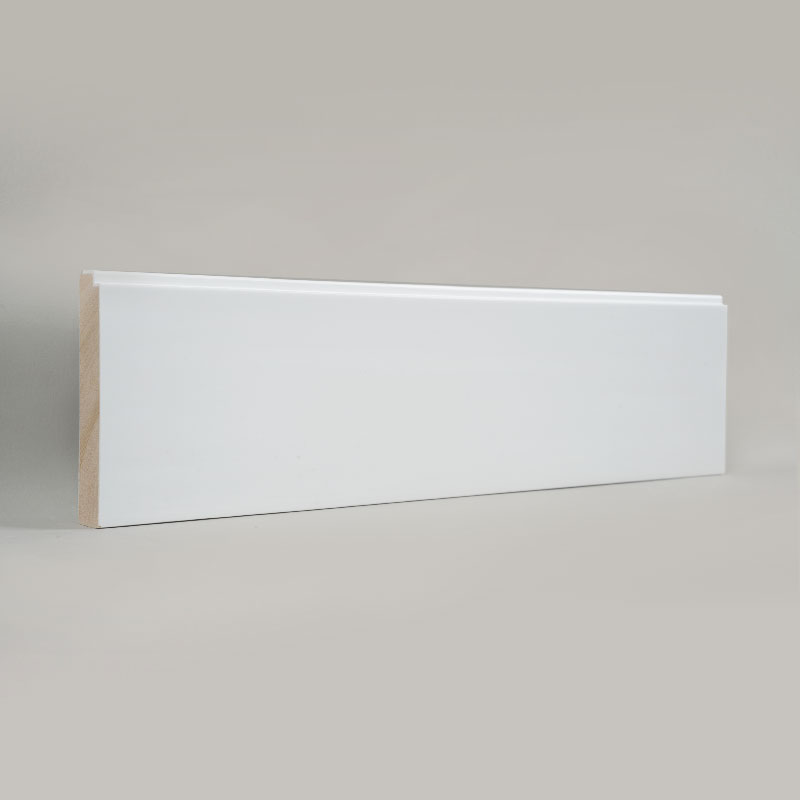
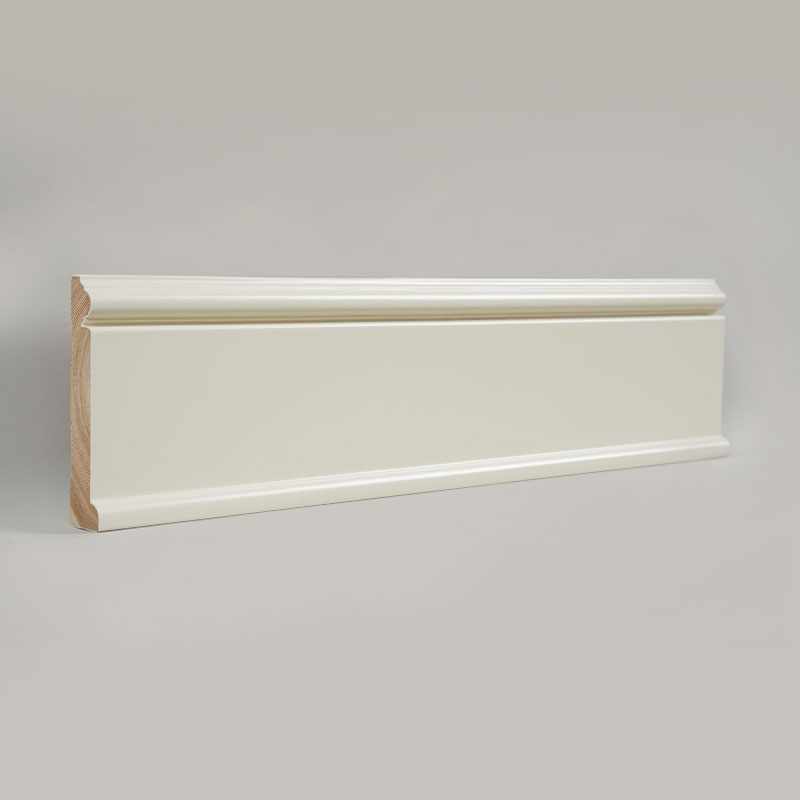
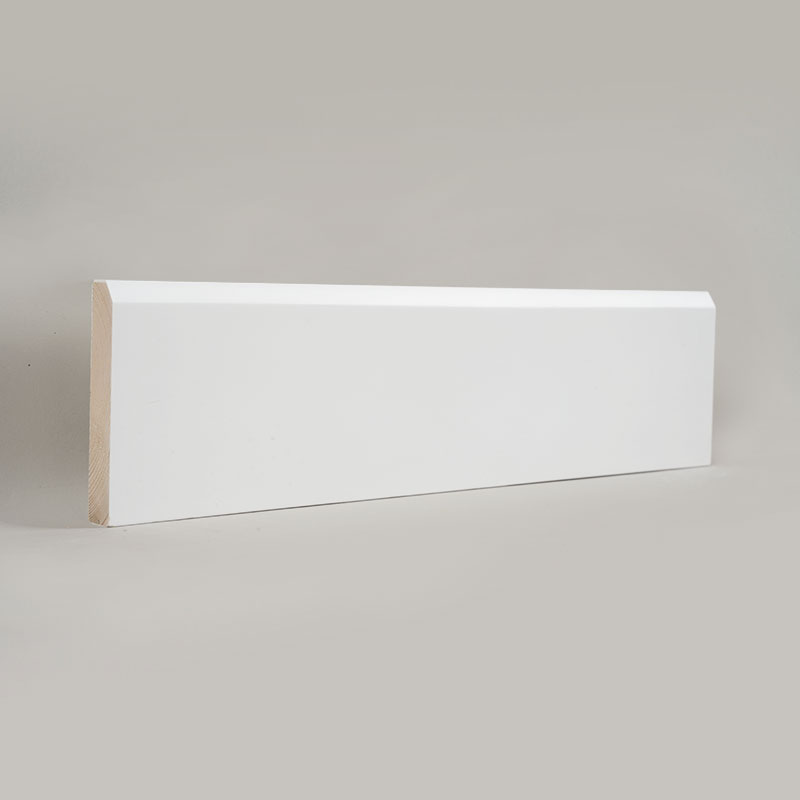
In professional construction and interior design circles, the choice of material for these upper transitions is critical. For instance, using Painted Pine Wood Skirting as a ceiling trim provides a level of structural integrity and crisp detail that synthetic materials like polystyrene or PVC often lack. Real wood trim offers a natural grain and a substantial feel that enhances the perceived value of a property.
Defining Architectural Terms for Ceiling Transitions
Understanding the specific terminology helps in sourcing the right materials for a renovation or new build. While "ceiling skirting" is a descriptive term, the industry uses more precise names depending on the profile and application method.
Crown Molding
Crown molding is perhaps the most recognizable term. It is characterized by its angled installation; it does not sit flat against the wall or the ceiling. Instead, it creates a "bridge" across the corner, leaving a hollow triangular space behind it. This is highly effective for hiding uneven plaster lines or settling cracks that frequently appear at the wall-to-ceiling junction.
Coving
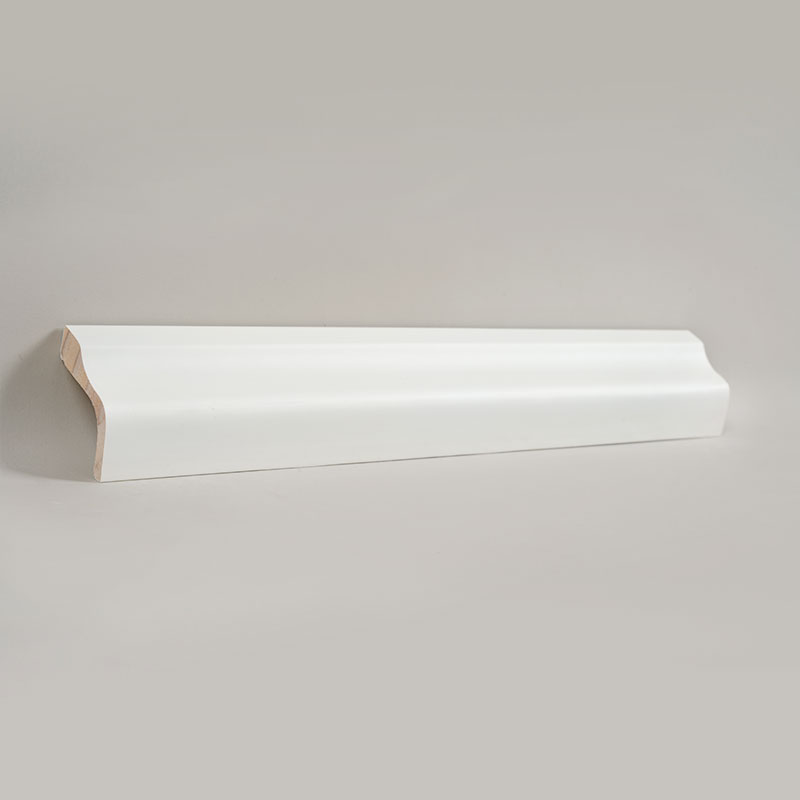
Coving usually refers to trim with a simpler, "C-shaped" concave profile. It is often less ornate than crown molding and is widely used in modern or minimalist interiors where a clean, soft transition is preferred. Coving is typically measured by its "drop" (how far it comes down the wall) and its "projection" (how far it extends across the ceiling).
Cornice
In classical architecture, the cornice is the topmost horizontal element of a wall or a pedestal. In modern residential terms, it is often used interchangeably with coving or crown molding, particularly when referring to large, highly decorative plaster or wood moldings found in Victorian or Georgian-style homes.
Comparing Materials: Why Wood Stands Out
When selecting trim for the ceiling, the material determines not only the look but also the longevity of the installation. Choosing between wood, MDF, and polymers involves weighing factors like moisture resistance, weight, and ease of painting.
| Material Type | Durability | Surface Quality | Installation Ease |
| Solid Pine (Painted) | Very High | Premium/Smooth | Moderate (Needs cutting) |
| MDF | Medium | Uniform/Flat | Easy |
| Polystyrene | Low | Porous/Artificial | Very Easy (Glue only) |
| Plaster | High (Brittle) | Traditional/Matte | Difficult (Heavy) |
The use of Painted Pine Wood Skirting for ceiling applications is a growing trend among those seeking a balance between the luxury of natural wood and the convenience of a pre-finished product. Pine is a resilient softwood that takes paint exceptionally well, ensuring that the miters stay tight even as the building naturally shifts over time. Its density allows for sharper profile edges compared to MDF, which can sometimes appear "fuzzy" after sanding.
The Functional Roles of Ceiling Trim
It is a mistake to view ceiling "skirting" as purely decorative. In many residential scenarios, these boards fulfill critical technical requirements that improve the building's overall finish and performance.
- Concealing Expansion Gaps: In timber-framed buildings, materials expand and contract. Trim allows for this movement without showing unsightly gaps at the ceiling line.
- Wiring Management: Many modern crown moldings feature a recessed back, providing a perfect channel for running low-voltage LED strip lighting or concealed data cables.
- Visual Proportions: Installing a wider ceiling board in a room with high ceilings can "lower" the visual plane, making a large space feel more intimate and grounded.
- Sound Dampening: By breaking up the hard 90-degree angle between walls and ceilings, moldings can subtly reduce "flutter echoes" in rooms with hard flooring.
Installation Guidelines for Wood Ceiling Boards
Installing wood trim at the ceiling level requires more precision than floor installation due to the effects of gravity and the complexity of overhead miter cuts. Using pre-painted pine significantly reduces labor time on-site, as only the touch-ups at the joints are required after installation.
Preparation and Measuring
Before beginning, check the "squareness" of the corners. Most walls are not perfectly 90 degrees. Using an electronic angle finder is recommended. When working with Painted Pine Wood Skirting, ensure the boards have acclimated to the room's humidity for at least 48 hours. This prevents the wood from shrinking after it has been nailed into place, which could result in cracked paint at the joints.
Cutting Compound Miters
Because ceiling trim sits at an angle, you must cut it using a compound miter saw. This involves setting both the miter angle (left/right) and the bevel angle (tilt). For a standard corner, a 31.6-degree miter and a 33.9-degree bevel are common settings for molding that sits at a 38-degree angle against the wall.
Expert Tip: Always cut the molding "upside down and backwards" on the saw if you are not using a compound setting. The fence of the saw acts as the wall, and the table acts as the ceiling.
Selecting the Right Profile and Size
The scale of the ceiling board should be proportional to the ceiling height. A common design error is choosing trim that is too small, which can make the room look "top-heavy" or unfinished.
- 8-foot Ceilings: Use trim with a 2.5-inch to 4-inch profile. This adds detail without making the room feel cramped.
- 9-foot to 10-foot Ceilings: A 5-inch to 7-inch profile is standard. This range allows for more intricate shadow lines and multiple steps in the profile.
- 12-foot+ Ceilings: Consider "building up" the molding. This involves using a standard Painted Pine Wood Skirting board flat against the wall, then installing the crown molding over it to create a massive, multi-layered architectural feature.
When it comes to profile styles, the Ogee and Bullnose are perennial favorites. The Ogee profile offers a classic "S" curve that catches light and creates deep shadows, while the Bullnose provides a rounded, softer look suitable for modern "Soft Industrial" or "Scandi" designs.
Technical Specifications for Painted Pine
Specifying wood for high-moisture or high-traffic areas requires an understanding of its physical properties. Pine, specifically Finger-Jointed Pine, is preferred for long runs of ceiling trim because it is knot-free and resists warping.
- Moisture Content: Kiln-dried pine typically holds between 8% to 12% moisture, making it stable for indoor environments.
- Coating: Industrial-grade water-based primers and topcoats provide a smooth, washable surface that does not yellow over time like oil-based paints.
- Weight: Pine weighs approximately 25-30 lbs per cubic foot, making it light enough for safe overhead installation using 16-gauge finish nails.
Common Questions About Ceiling Skirting (FAQ)
Q1: Can I use regular floor skirting boards on the ceiling?
Yes, this is a common technique in modern design known as "flat trim." It creates a clean, square-edged look. However, ensure the material is light enough, such as pine, to be securely fastened to the wall studs and ceiling joists.
Q2: What is the difference between coving and crown molding?
Coving is usually concave and simpler in design, while crown molding is more complex and installed at an angle across the corner. Crown molding is generally considered more formal.
Q3: Should ceiling trim be painted the same color as the wall or the ceiling?
Most designers recommend painting the trim in a semi-gloss or satin white to create a crisp boundary. However, painting the trim the same color as the walls can make a room feel taller, while matching it to the ceiling can make a space feel more enclosed and cozy.
Q4: Is wood better than MDF for ceiling applications?
Wood is superior for longevity and detail. While MDF is cost-effective, wood is more resistant to impact and moisture damage, and it holds nails more securely, which is vital for overhead safety.