English
 Español
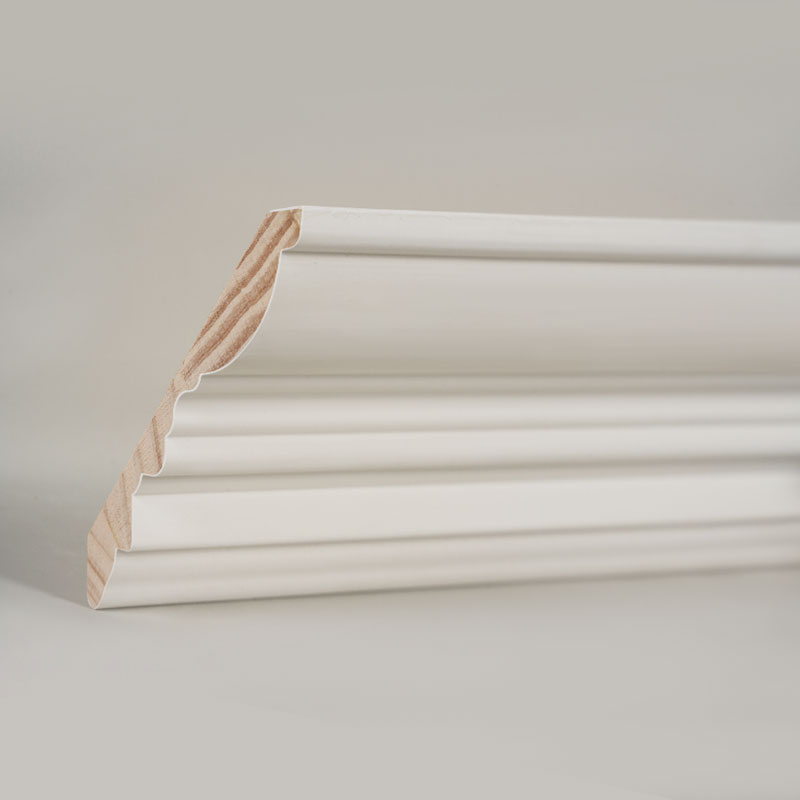
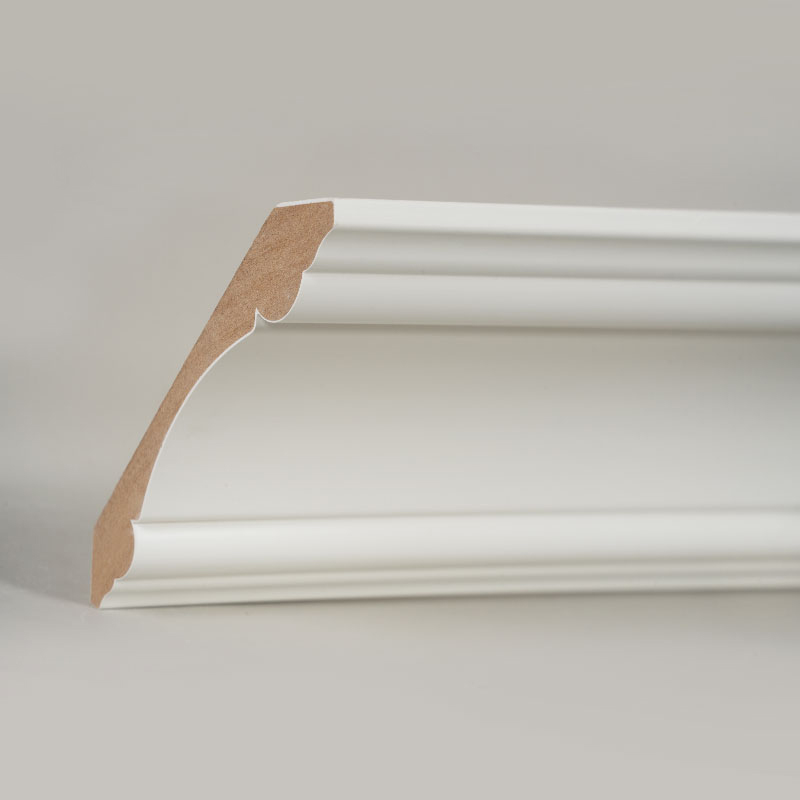
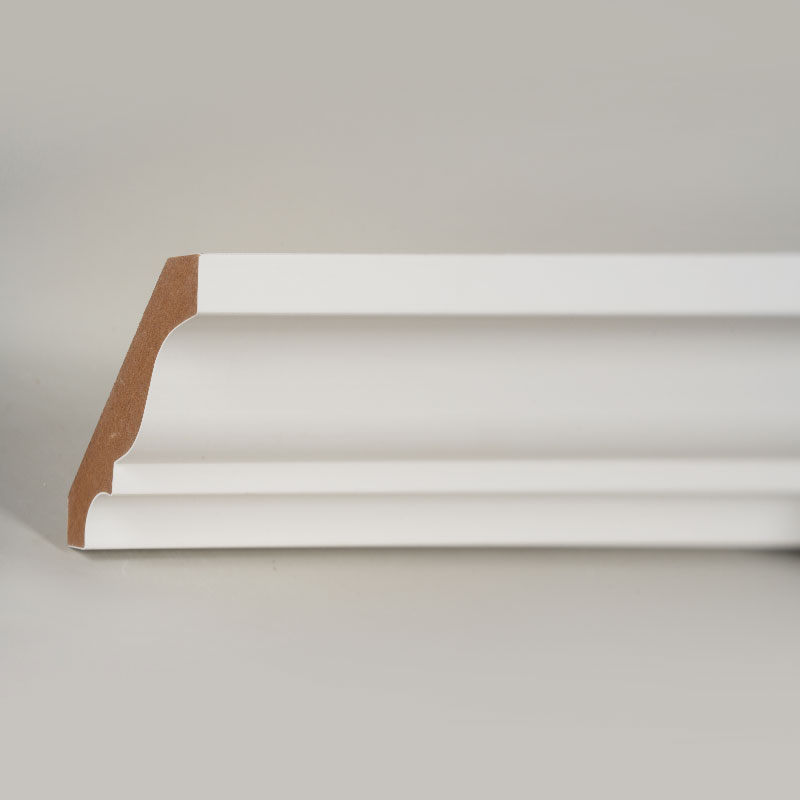
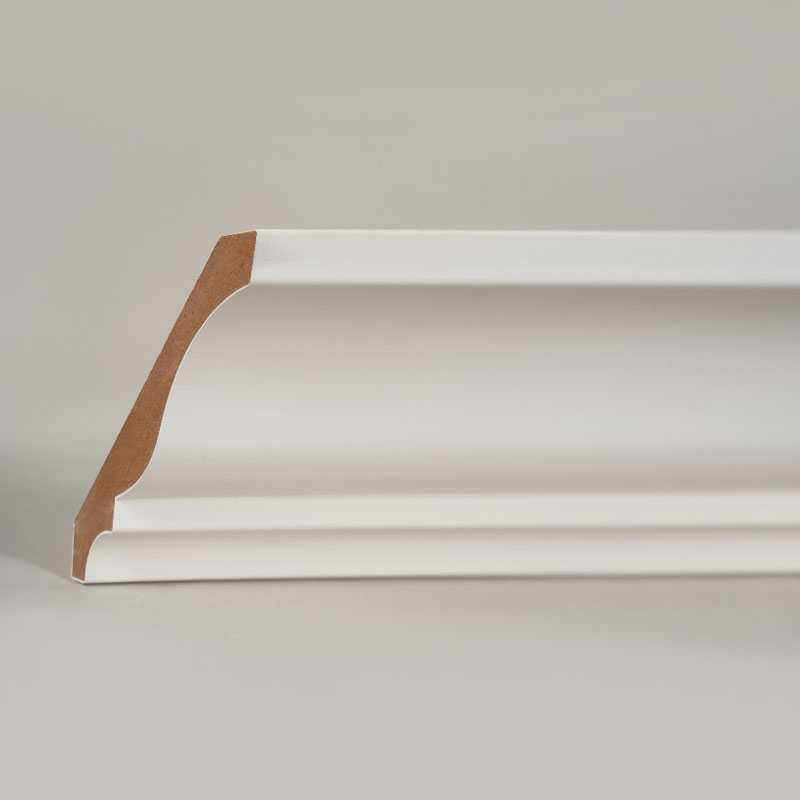
Top corner line, also known as shadow corner line, is a decorative line used at the junction of walls and ceilings in architectural decoration. It has practical functions of dividing visual areas, shielding pipelines, and concealing joint defects. As a decorative component, it enhances spatial hierarchy and coordinates color transitions through material contrast, commonly found in living rooms, bedrooms, and other scenes.
The material of the top corner line is mainly gypsum line, suitable for simple or European style, with the characteristics of low cost and easy installation; Wooden thread is mostly used in classical style and requires moisture-proof treatment; There are also new materials such as wallpaper and PVC to meet diverse needs. The installation method is divided into traditional craftsmanship of pre embedded wooden wedges and adhesive technology. During construction, it is necessary to ensure that the base layer is flat, the joints are tight, and the color is coordinated with the wall surface.
With the improvement of modern architectural precision and the popularity of minimalist styles, the use of corner lines has gradually shifted from a necessity for covering construction defects in the early days to a selective decorative element. When the wall is flat or concealed wiring is used, installation is not necessary, while complex shaped corner lines are still used for specific style spaces. Gypsum, plastic and other paint free materials are widely used due to their convenient construction, reflecting the trend of balancing decoration and practical functions.