 English
 Español
In the world of woodworking and furniture design, the choice of material used for corner molding plays a significant role in the overall aesthetic and durability of the piece. Solid wood quarter rounded corners and MDF (Medium-Density Fiberboard) corners are two popular choices for corner treatments.
What Are Solid Wood Quarter Rounded Corners?
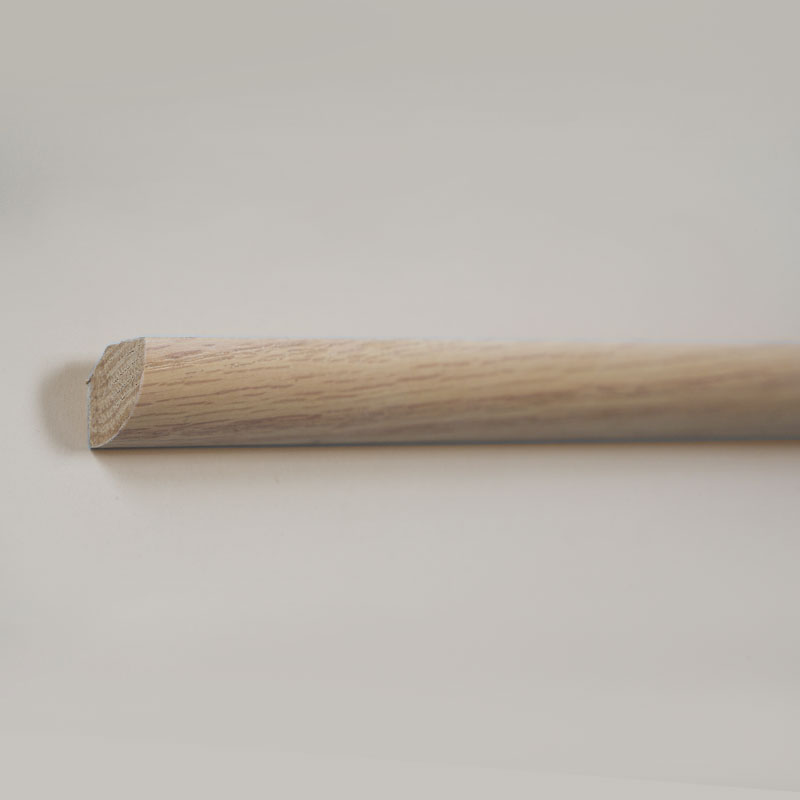
Solid wood quarter rounded corners are corner moldings made from natural wood, shaped into a quarter-circle or rounded profile. These corners offer a rich, natural look and are often used in high-end furniture and cabinetry. Solid wood’s distinct grain patterns, natural variations, and durability make it a desirable material for many applications.
Benefits of Solid Wood Quarter Rounded Corners:
- Aesthetic Appeal: Natural wood adds warmth and character to furniture.
- Durability: Solid wood is strong and resilient, making it ideal for high-traffic areas.
- Customizability: Solid wood can be easily cut, sanded, and finished to suit various design preferences.
What Is MDF and How Are MDF Corners Made?
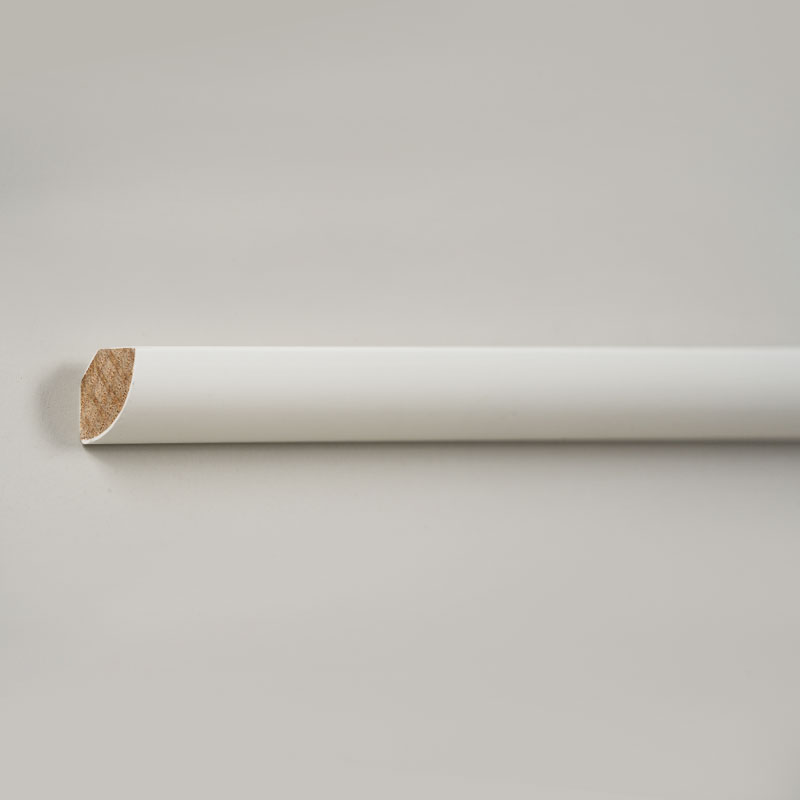
MDF, or Medium-Density Fiberboard, is an engineered wood product made from compressed wood fibers, wax, and resin. MDF corners are crafted by molding MDF into quarter-round profiles, providing a smooth and consistent finish.
Benefits of MDF Corners:
- Cost-Effectiveness: MDF is generally less expensive than solid wood.
- Smooth Finish: The smooth surface of MDF makes it easy to paint or laminate.
- Consistency: MDF corners have a uniform appearance, with no grain variations.
Key Differences Between Solid Wood Quarter Rounded Corners and MDF Corners
-
Material Composition:
- Solid wood quarter rounded corners are made from natural wood, offering unique grain patterns and textures.
- MDF corners, on the other hand, are man-made, consisting of compressed fibers, which give them a consistent, smooth surface but lack the natural grain and texture of solid wood.
-
Aesthetic Considerations:
- Solid wood brings warmth and a traditional charm to furniture pieces, while MDF corners provide a more modern and uniform appearance.
- Solid wood can show variations in color and texture, adding uniqueness to each corner. MDF corners are typically smooth, with no noticeable grain, making them ideal for sleek, contemporary designs.
-
Durability:
- Solid wood is known for its robustness and resistance to wear and tear, especially in high-traffic areas.
- MDF corners are more prone to damage from moisture and impact. While they are strong, they may not hold up as well in environments where moisture is prevalent.
-
Workability:
- Solid wood quarter rounded corners can be easily sanded, stained, and finished to achieve the desired look. Wood can also be repaired if damaged.
- MDF corners are easy to cut and shape but cannot be stained. They are best suited for painting or veneering.
Cost Comparison: Solid Wood vs MDF Corners
Table 1: Cost Comparison Between Solid Wood and MDF Corners
| Material | Price Range (per linear foot) | Durability | Customization Options | Maintenance Costs |
|---|---|---|---|---|
| Solid Wood Quarter Rounded Corners | $$ | High | High | Moderate |
| MDF Corners | $ | Moderate | Moderate | Low |
Maintenance and Longevity
When it comes to longevity and maintenance, solid wood quarter rounded corners require more upkeep but can last for decades when properly maintained. Regular cleaning, polishing, and refinishing are recommended to keep the wood looking its best.
In contrast, MDF corners require less frequent maintenance but may need replacing if damaged by moisture or impact.
Which One is Best for Your Project?
The decision between solid wood quarter rounded corners and MDF corners largely depends on the specific needs of the project. Here are some factors to consider:
- Budget: If cost is a primary concern, MDF may be the better option due to its affordability.
- Design Preference: For those seeking a natural look with unique textures, solid wood is the obvious choice.
- Durability Needs: For high-traffic or high-moisture environments, solid wood may provide better long-term performance.
Conclusion
Both solid wood quarter rounded corners and MDF corners have their own distinct advantages and applications. While solid wood is known for its durability, aesthetic value, and customizability, MDF offers a more affordable, consistent alternative for contemporary designs. Ultimately, the choice between these materials will depend on the specific needs of the project, including budget, aesthetic preference, and longevity expectations.
Frequently Asked Questions (FAQ)
-
What is the main difference between solid wood quarter rounded corners and MDF corners?
- Solid wood offers a natural grain and is more durable, while MDF is smooth and more cost-effective but less resilient.
-
Can I paint MDF corners like I can with solid wood?
- Yes, MDF corners can be painted, but they cannot be stained like solid wood.
-
Which material is better for outdoor furniture?
- Solid wood is better suited for outdoor furniture, as it can withstand the elements with proper maintenance.
-
Are MDF corners more affordable than solid wood?
- Yes, MDF corners are typically more affordable than solid wood.
-
Can I repair solid wood quarter rounded corners if they get damaged?
- Yes, solid wood is easy to repair by sanding, staining, or refinishing.
References
- “Understanding Solid Wood and MDF: A Comprehensive Comparison” – Woodworking Journal
- “The Durability of Wood: Exploring the Strengths of Natural Materials” – Furniture Today
- “MDF vs Solid Wood: Which is Right for Your Home?” – Home Design Magazine